A facial oil is a finishing layer, not a substitute for hydration. It works by sealing moisture into the skin rather than adding water, which is why it belongs over a serum or cream instead of in place of one. For dry, flaky or winter-tight skin it can be the piece that finally makes a routine feel comfortable, and in a lighter form even combination skin can wear one.
Quick answers
- Does a facial oil hydrate your skin? Not on its own; it helps hold in the water your serum or cream has already added.
- Who should use a facial oil? Anyone with dry, mature or flaky skin, and combination skin too if the oil is light.
- Where does it go in a routine? Last at night, after your serum and cream, or pressed into your moisturiser.
- How much do you need? A few drops, warmed between the palms and pressed onto the skin.
- Is an oil enough on its own in winter? Usually not; it does its best work as the top layer over a hydrating base.
What does a facial oil actually do?
Two words explain most of it: emollient and occlusive. As an emollient, an oil sits among the flakes on the skin's surface and softens them, so skin looks smoother and feels less rough. As an occlusive, it sits on top and helps skin hold on to moisture for longer, so it feels comfortable rather than tight. What it does not do is add water. Oils are made of lipids, not moisture, so an oil on thirsty skin has very little water of its own to work with.

That distinction matters more than it sounds. If your skin feels tight and looks dull, the issue is often a stressed barrier losing water too quickly rather than a simple lack of oil. It helps to know whether you are dealing with skin that is genuinely dry or simply dehydrated, because the fix is slightly different. Our guide to dry versus dehydrated skin walks through how to tell them apart. In both cases an oil is the seal, not the source.
Facial oil vs cream: do you need both?
A cream is usually a blend of water, oil and humectants, the ingredients that draw water towards the skin. Because it already contains water, a good cream can soften and comfort in one step, and for a lot of people that is plenty. A facial oil is different: it is closer to pure lipids, with no water of its own. So the honest answer to "oil or cream" is that they do different jobs, and dry skin often does best with both.
The pattern that works for most people is a light, water-based layer first and an oil last. That might be a hydrating serum then an oil, or a cream then an oil, or on very dry days all three. Think of the cream as the meal and the oil as the lid on the pot. If your skin is already comfortable with a rich cream alone, you may not need the extra step at all, and that is a perfectly good place to land.
An oil can make dry skin look and feel comfortable again, but it seals moisture in rather than making its own. It works best with something hydrating underneath.
Who suits a facial oil, and who can skip it?
Dry, mature and flaky skin tends to benefit the most, because these are the skin types that lose water quickly and feel the tightness first. If your skin drinks up moisturiser and still feels papery by mid-afternoon, an oil as the final layer is worth trying.

Combination skin can use one too; the trick is a lighter oil and a lighter hand, kept to the drier cheeks and edges rather than the centre of the face. Oily and blemish-prone skin is where people hesitate, and fairly so. An oil will not clear a breakout, and no facial oil should be sold as a treatment for one. If your main concern is persistent or painful spots, a dermatologist is the right person to talk to about treatment. Skincare can support how skin looks and feels alongside that, but it works on the surface, not the cause.
Where does a facial oil go in your routine?
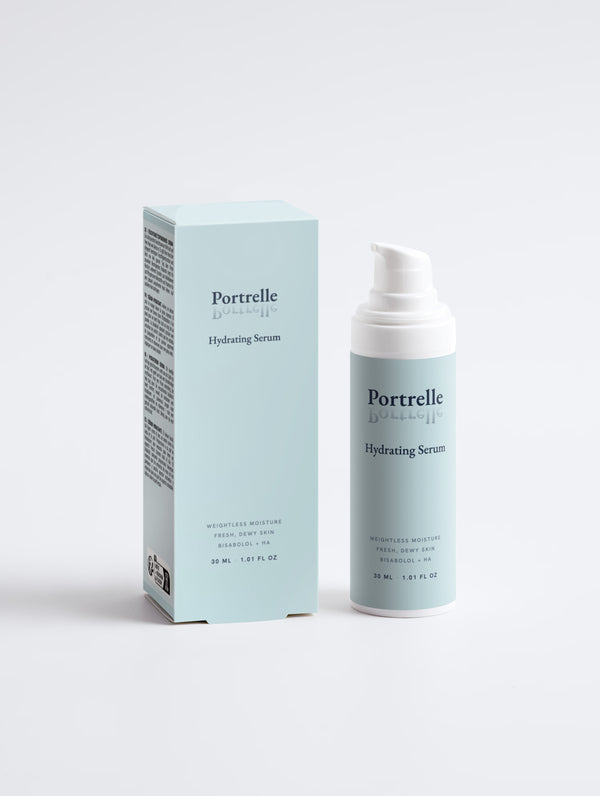
Because an oil seals rather than soaks in, it goes at or near the end, once your water-based steps have gone on. A simple evening order is cleanse, then a hydrating serum at EUR 38, then a moisturiser, then the oil last to hold everything in. If you would rather not add a separate step, you can warm a drop or two of oil into your cream in the palm and apply them together. Our full walk-through of skincare routine order covers where each layer sits and why.
Most people find an oil most useful at night, when there is time for it to settle and nothing has to go over the top. You can use one in the morning as well, though a lighter touch helps if you are applying sunscreen afterwards, since a heavy oil can make some SPF textures harder to spread evenly.
Why does dry skin get worse in winter?
Winter is hard on the skin barrier from two directions at once. Cold outdoor air holds very little moisture, and the warm indoor air we escape into is dried out further by central heating. Skin loses water to whichever environment is thirstier, and in the colder months that is nearly always the air around you. The result is the familiar winter pattern: tightness after washing, patches that flake, and a dullness that no amount of the usual moisturiser quite settles.
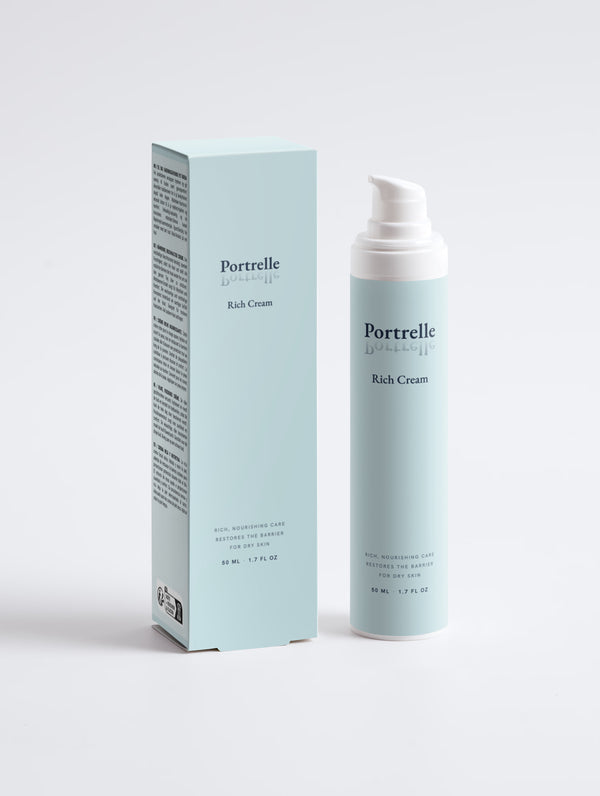
This is exactly the season an oil earns its place. Used as the last layer over a hydrating serum or a rich cream, it slows that water loss and keeps skin feeling supple through cold commutes and heated rooms. A fragrance-free rich cream at EUR 42 under the oil is a comfortable winter pairing for skin that reacts easily. If you only reach for an oil a few months of the year, the depths of winter are the obvious time.
How do you apply a facial oil?
Less is more, and warmth helps. Two to four drops is enough for the whole face; start at the lower end and add a drop only if skin still feels tight. Warm the drops between your palms first, then press them onto the skin with flat hands, cheeks, forehead, then down the sides. Pressing rather than rubbing matters: dragging an oil around tugs at the skin and wastes product, while pressing lets it settle in evenly. Give it a minute to settle before you dress or lie down, and you will use far less than you might expect.
What should you look for when choosing a facial oil?
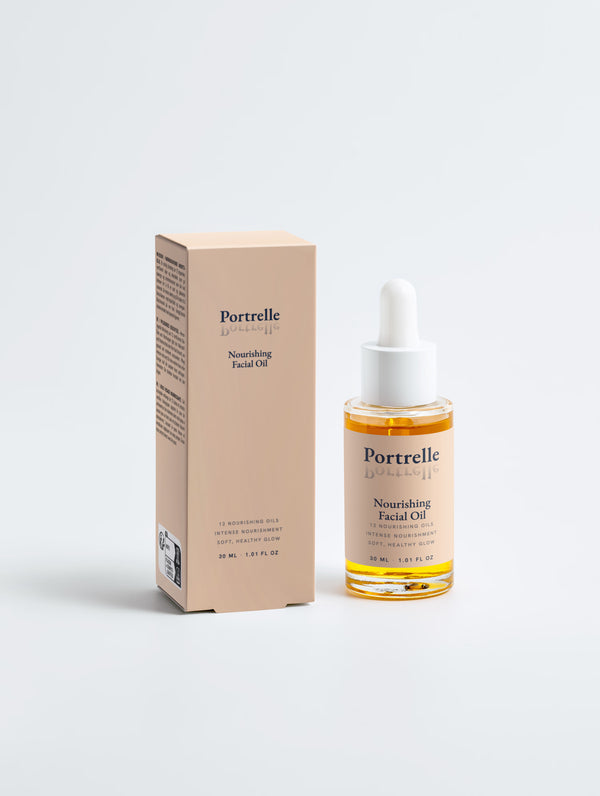
Start with how it is made. A certified organic oil is a useful signal, because the certification is checked by an outside body rather than simply claimed on the label. Our Nourishing Facial Oil at EUR 40 is certified COSMOS ORGANIC by Ecocert, which means an independent body has verified how it is produced. Beyond that, think about fragrance: a scented oil can be lovely, but if your skin reacts easily, fewer added extras is the safer starting point.
Texture and weight are the other things to weigh. Drier and more mature skin can carry a richer oil comfortably, while combination skin usually prefers something lighter placed only where it is needed. If you want to compare a few before committing, our facial oils collection lays them out side by side, and if you are unsure where an oil fits for you, the honest answer is to match it to your skin rather than to a trend.
Read next
- Bakuchiol: The Plant-Based Retinol Alternative, Explained
- Dry Skin on Your Face: What to Do, Morning to Night
- Gua Sha: What It Really Does (an Honest Guide)
- Jojoba Oil for Your Face: Why Your Skin Gets Along With It
- Argan Oil for Face: Not Just for Hair
- Sweet Almond Oil for Skin: An Honest Look
- Which Face Oil Suits You? Jojoba, Argan, Almond and Bakuchiol
Skincare results vary from person to person, and nothing here is a promise of a particular outcome. A facial oil is a cosmetic step that can improve how skin looks and feels, softer, smoother and more comfortable, rather than a treatment for any medical condition. If a skin concern is persistent, painful or changing, a dermatologist is the right person to see.