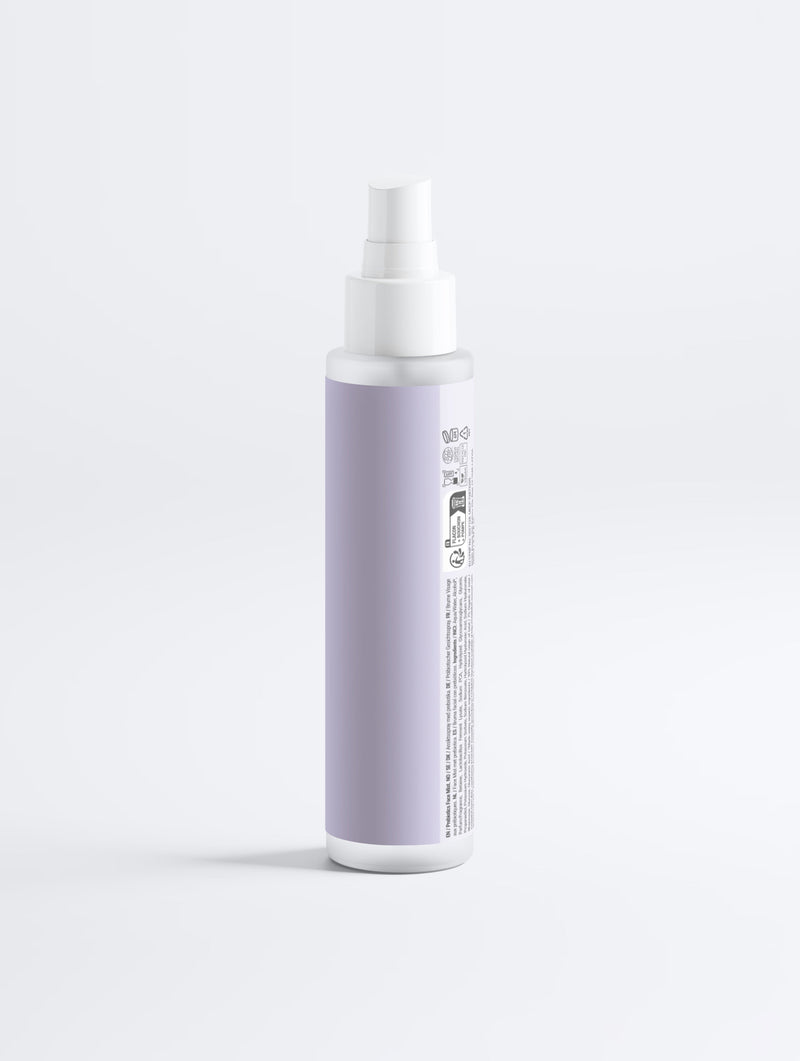
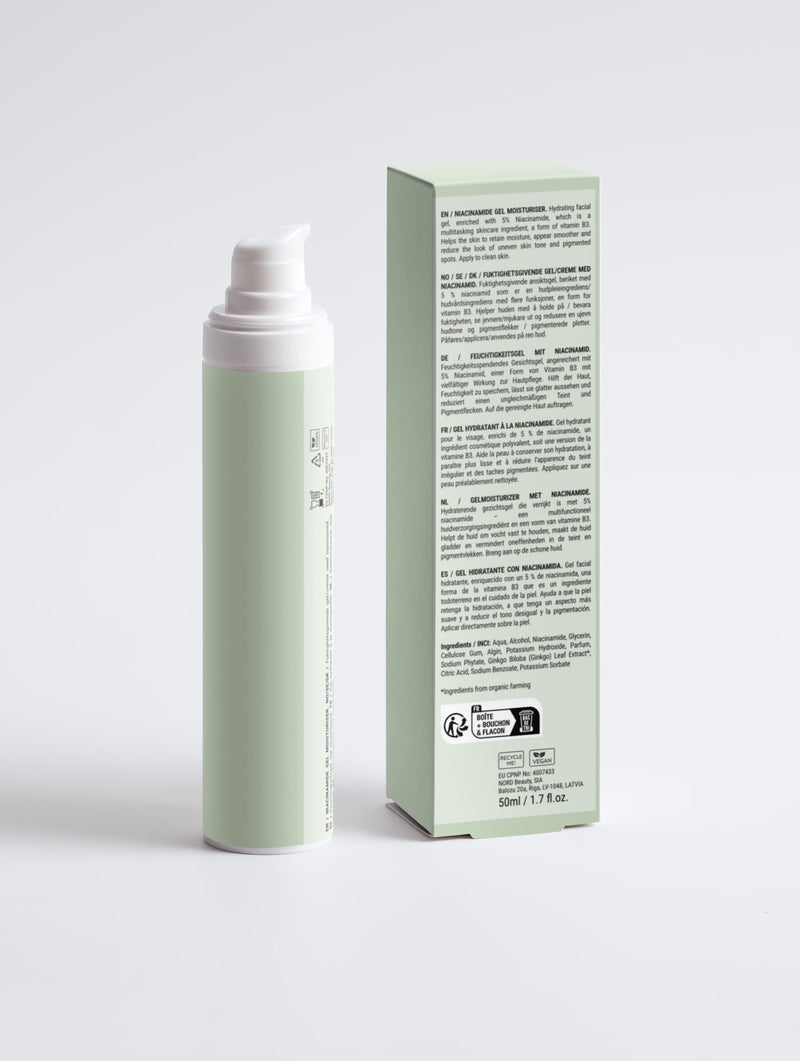
Apply your skincare from thinnest to thickest, and in the morning finish with sun protection. The order that suits almost everyone is cleanse, then a treatment serum, then moisturiser, then SPF during the day. Toner, eye cream and exfoliation are useful extras you can add later, so a good routine can start with just three or four steps.
In what order do I apply skincare?
The simple rule is thin to thick. Water-like textures go on first because they absorb quickly, and richer creams go on last because they help hold everything in place. So you cleanse, apply your lightest treatment, then seal with a moisturiser. In the morning you add SPF as the final skincare step, and if you use a tinted or coloured product it sits on top of that.
You do not need a shelf full of bottles for this to work. Most skin looks and feels its best with a short, consistent routine rather than a long one you struggle to keep up. If you are not sure where to begin, the Find Your Ritual quiz asks three questions and builds a routine for you.
A short routine you follow every day does more than a long one you keep abandoning.
What are the five steps that actually matter?
Here is the full sequence, in order. The first four are the core of a routine. The fifth is a small group of optional extras you can bring in whenever you like.

1. Cleanse
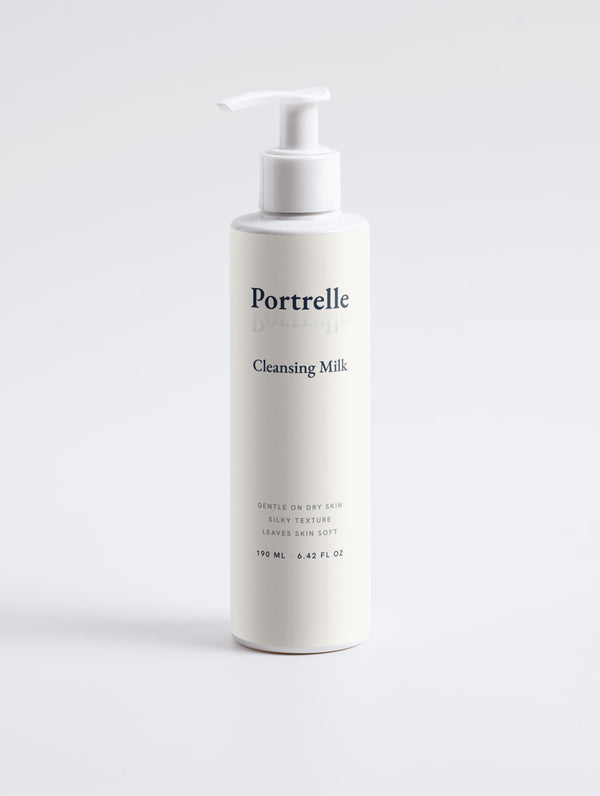
Cleansing clears away the day, from sunscreen and make-up to the oil and dust that gather on skin. A gentle cream cleanser suits most people and helps skin feel comfortable rather than tight. Our Cleansing Milk is a soft, creamy option for morning and evening.
2. Treat with a serum
A serum is your targeted step. This is where you address the things you care about, whether that is the look of fine lines, uneven tone or skin that feels dry. Serums are usually light and water-based, which is why they go on before your moisturiser. You only need one or two, applied to clean skin.
3. Moisturise
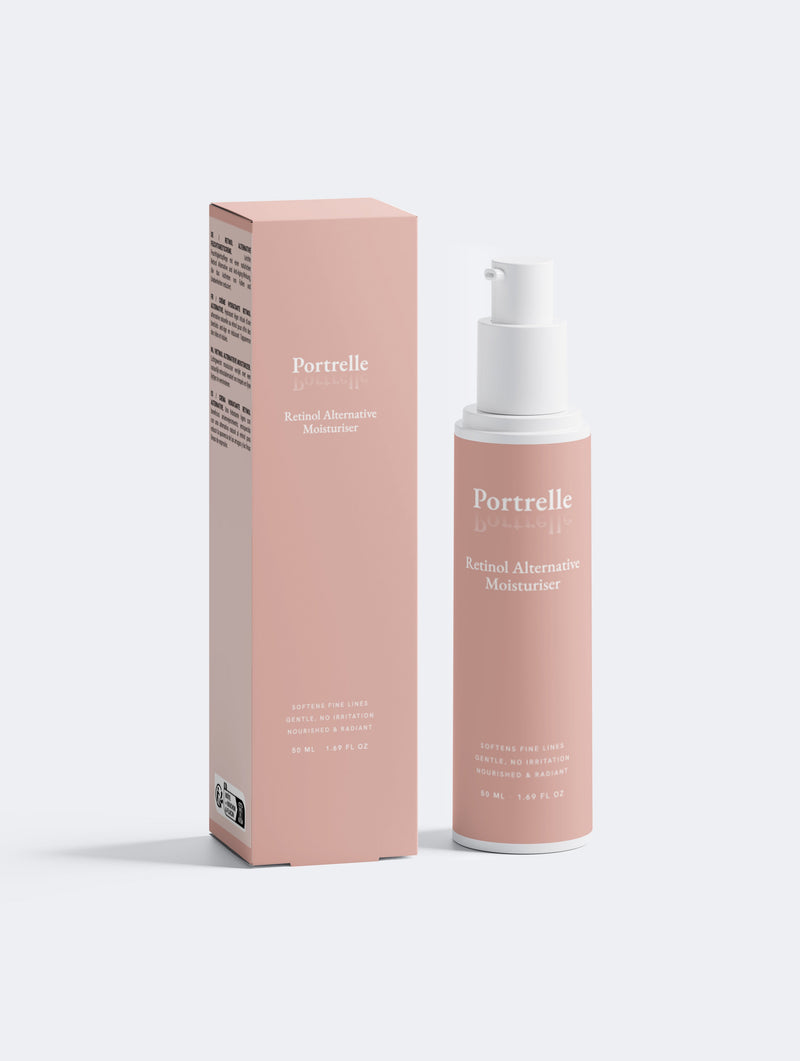
Moisturiser helps skin stay hydrated and feel soft, and it holds your earlier steps in place. Pick a texture that matches your skin, lighter for skin that feels oily and richer for skin that feels dry. At night this can be a slightly heavier cream, since your skin has hours to absorb it.
4. SPF in the morning
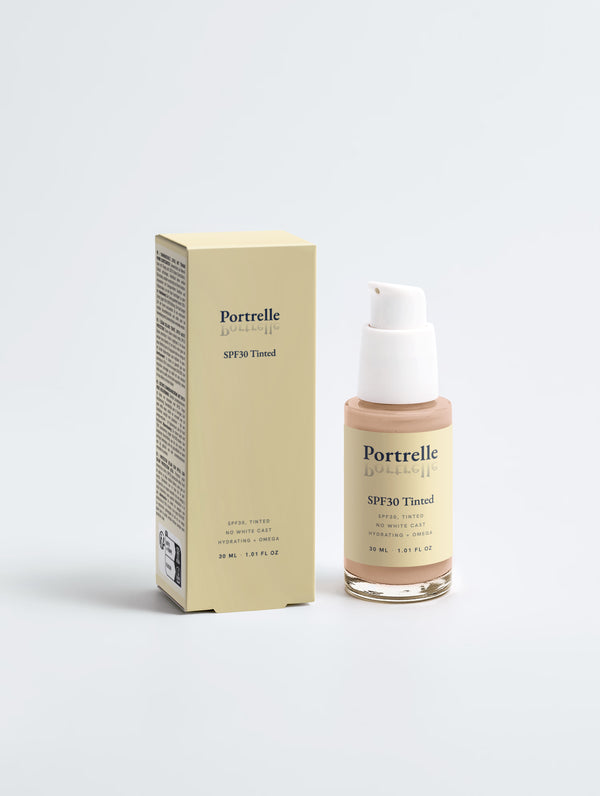
Daytime sun protection is the step most worth keeping. Apply it every morning as the last skincare layer, and use enough to cover your whole face and neck. No sunscreen blocks 100% of UV, and SPF numbers describe how much UVB a filter holds back, with SPF50 a little higher than SPF30, so choose the level that suits your day and reapply every two hours when you are out in the sun. Our SPF30 Tinted adds a light wash of colour, so it doubles as an easy finishing step.
5. The optional extras
These are the steps you can add once the basics feel like second nature. A toner or mist after cleansing can leave skin feeling fresh. An eye product is a gentle way to care for the delicate area around the eyes. Exfoliation once or twice a week helps skin look brighter by clearing away dull surface cells. None of these are essential, so add them slowly and see how your skin feels.
Is the order different in the morning and at night?
The core order stays the same, but the ends of your routine change. Mornings are about protection, so you finish with SPF. Evenings are about recovery, so you skip the SPF and can use a richer moisturiser or a night cream, and this is the better time for exfoliation if you use it. A simple way to remember it is SPF in the morning, something nourishing at night.
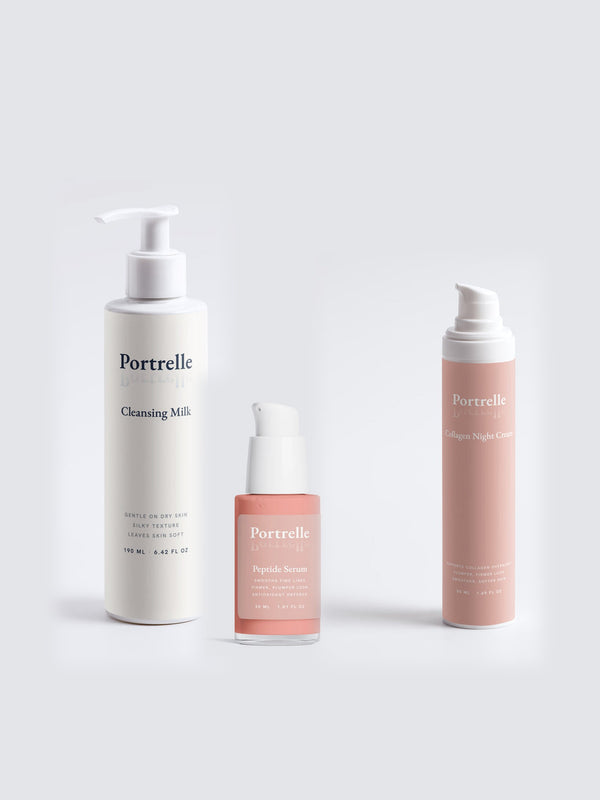
If you would rather not piece it together yourself, the Portrait Ritual pairs a cleansing milk, a peptide serum and a collagen night cream as a ready-made morning and evening set.
Which skincare do I actually need?
If you are starting out, three steps are plenty: a cleanser, a serum and a moisturiser, with SPF added for the daytime. You can happily skip toner, eye cream and exfoliation at the beginning and bring them in later. The goal is a routine you will actually keep, not the longest one possible.

A starter set takes the guesswork out of this. The Daily Duo pairs a cleansing milk with a prebiotic serum as a simple two-step base, and you can see the rest of the Sets & Rituals when you are ready to build further. Persistent or changing skin concerns, including blemish-prone skin that is not settling or a dark spot that looks different, are worth showing to a GP or dermatologist.
Quick answers
What is the correct order for skincare?
Cleanse, serum, moisturiser, then SPF in the morning. Work from the thinnest texture to the thickest so each step absorbs properly.
How many steps does a good routine need?
Three or four is enough for most people. Cleanser, serum and moisturiser cover the basics, with SPF added during the day.
Do I need a toner?
No, a toner is optional. It can leave skin feeling fresh after cleansing, but you can build a complete routine without one.
When do I apply serum?
After cleansing and before moisturiser. Serums are light and water-based, so they belong under your richer creams.
Read next
- Glass Skin: What the Trend Really Takes
- Oily Skin Care: How to Balance It Without Stripping
- Day Cream vs Night Cream: The Difference, and Do You Need Both?
- What Is a Face Serum, and Do You Actually Need One?
- Face Toner: What It Actually Does and Which One Suits Your Skin
- Face Masks: What They Really Do and How Often to Use One
- What Is My Skin Type? How to Tell (With a Simple Test)
Experiential claims describe how skin looks and feels. Individual results vary.