Bakuchiol is a plant-derived skincare ingredient, taken from the seeds of the babchi plant (Psoralea corylifolia), that is often used as a gentler alternative to retinol. People choose it because it can support the look of fine lines and a more even tone, usually without the stinging and flaking that a new retinol tends to bring. The research so far looks promising, though the evidence base is still smaller than retinol's, and we will say so plainly.
This is a deep dive on bakuchiol on its own. If you want the wider picture of plant-based options first, our overview of retinol alternatives compares bakuchiol and Bidens Pilosa side by side.
Quick answers
What is bakuchiol?
Bakuchiol is a compound found in the seeds and leaves of the babchi plant. In skincare it turns up in facial oils and serums as a plant-based stand-in for retinol. It is not a vitamin A derivative, so it behaves differently on the skin.
Is bakuchiol as effective as retinol?
Small studies suggest bakuchiol can perform comparably to retinol for the look of fine lines and tone, with less irritation reported. The honest catch is that those studies are few and small. Retinol still has the larger, longer track record.
Can you use bakuchiol during pregnancy?
Retinoids are usually discouraged in pregnancy, so many people look at bakuchiol instead. It is a common choice, but we are not doctors. Please check with your own doctor or midwife before using any active while pregnant or breastfeeding.
Does bakuchiol cause peeling or a purge?
Most people do not get the peeling or adjustment phase that retinol can cause, and skin usually tolerates it well from the first use. There is no guarantee for everyone. As with anything new, patch test first and introduce it slowly.
What is bakuchiol, really?
Bakuchiol comes from the babchi plant, which has a long history in traditional skincare across South Asia. Chemically it looks nothing like retinol, yet on the skin it appears to nudge some of the same pathways that retinol works on. That is why you will see it described as a retinol alternative rather than a retinol copy. The two are cousins in effect, not in structure.
Because it is not a vitamin A derivative, bakuchiol does not carry retinol's reputation for dryness and sun sensitivity in the same way. It is also more stable in light than pure retinol, which is one reason formulators enjoy working with it. In practice you will find it most often in a facial oil or a lightweight serum, where it can sit close to the skin and stay put through the day.

Why do people choose bakuchiol over retinol?
The honest answer is comfort. Retinol works, but getting there can mean weeks of flaking, redness and tightness while your skin adjusts. Bakuchiol tends to skip that part. Most people can start using it without a break-in period, which makes it a friendly option for sensitive or reactive skin, and for anyone who has been put off retinol before.
If you tried retinol and gave up because it stung, this is usually the reason people switch. It helps to understand the vitamin A options too before you decide. Our guide on retinal versus retinol and our gentle guide to starting retinol both weigh comfort against track record, so you can see where bakuchiol sits between them.
Bakuchiol is not a weaker retinol. It is its own ingredient, and its main appeal is that your skin barely notices the adjustment.
Is bakuchiol as effective as retinol?
This is where honesty matters most. A handful of studies have compared bakuchiol with retinol and found it can support the look of fine lines and a more even tone, with users reporting less irritation along the way. Those results are genuinely encouraging, and they are the reason bakuchiol earned its reputation.
The caveat is the size of the evidence. Retinol has decades of research behind it. Bakuchiol has a much shorter list of studies, and they tend to be small. So we will not tell you bakuchiol beats retinol, and we will not quote you a number. What we will tell you is that it is a promising, gentler option that many people actually enjoy using. In skincare, the product you keep reaching for tends to matter more than the strongest ingredient you abandon after a week.
How do you use bakuchiol, and can you combine it with retinol?
Bakuchiol is flexible. It is stable enough to use in the morning, in the evening, or both, and it plays well with other actives. It sits comfortably alongside vitamin C, niacinamide and most hydrating ingredients without the clashes that retinol can sometimes have. A few drops of oil or a thin layer of serum after cleansing, before your moisturiser, is all it takes.
Can you combine bakuchiol with retinol? Yes, and some people do exactly that, using bakuchiol to soften retinol's harsher edges. If you go this route, still introduce each one slowly and watch how your skin responds. When you are using a facial oil, our guide to facial oils explains where an oil belongs in the order of your routine. And whatever you layer, wear sunscreen during the day.

Can you use bakuchiol during pregnancy?
This question comes up a lot, because retinoids are commonly discouraged during pregnancy and breastfeeding. Bakuchiol is often chosen as the alternative in that window, which is a fair part of why it gets searched so much.
Even so, we will not give you a medical green light. Every pregnancy is different, and we are a skincare brand, not your care team. Please ask your doctor or midwife before adding bakuchiol, or any active, to your routine while you are pregnant or nursing. That is the one piece of advice we will repeat without hedging.
Which Portrelle product contains bakuchiol?
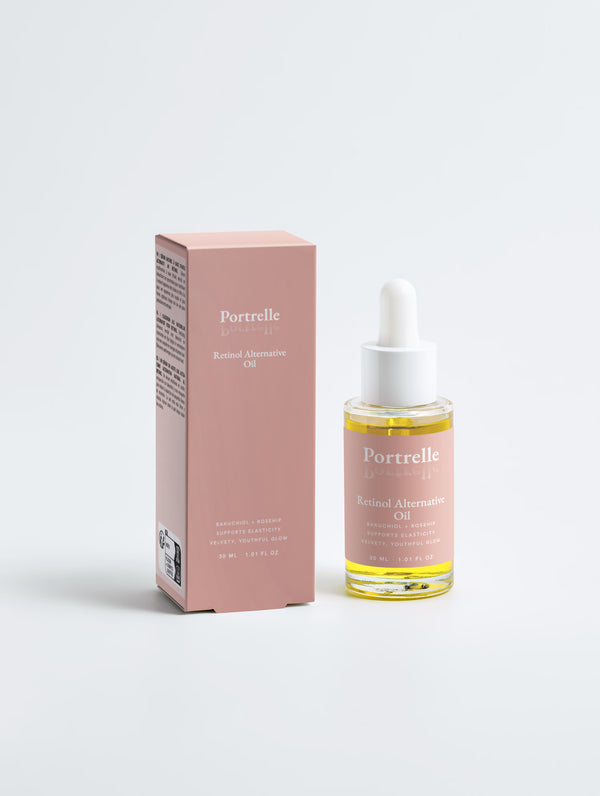
Only one of ours does, and we want to be clear so you buy the right thing. Our Retinol Alternative Oil is the bakuchiol product. It is a facial oil built around bakuchiol, for people who want that specific ingredient in their routine.
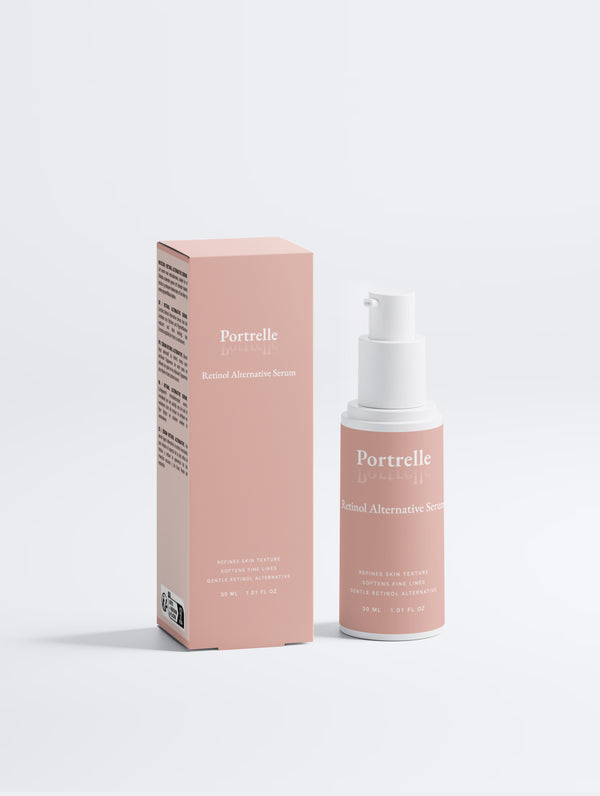
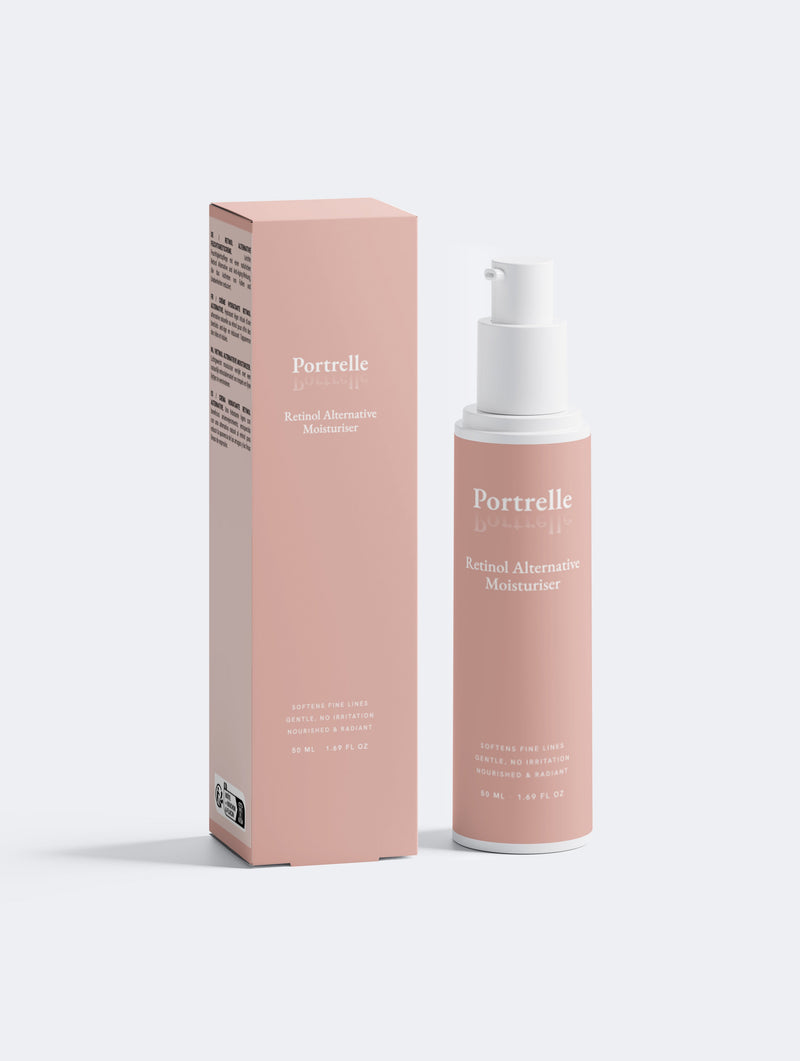
Our Retinol Alternative Serum and our Retinol Alternative Moisturiser do not contain bakuchiol. They use Bidens Pilosa, a different plant-based retinol alternative. Both are gentle, plant-led options, but they are not the same molecule as bakuchiol, so if bakuchiol is specifically what you are after, reach for the oil. If you would rather compare the two plant approaches before deciding, start with the overview linked at the top of this article.
Experiences vary from person to person. This article is for information only and is not medical advice. For skin concerns, medication questions or anything relating to pregnancy, please speak to a doctor, dermatologist or midwife.