Search for argan oil and you will mostly find hair. Shiny lengths, tamed frizz, the famous Moroccan oil worked through the ends. That intent is real, and we are not going to pretend otherwise. But argan has a quieter face story, and it is worth telling. On the skin, argan oil is a nourishing, comfortable oil that tends to suit dry, mature and comfortable normal skin. Here is what it is, how to use it, when to skip it, and where it honestly fits in a simple routine.
Quick answers
Is argan oil good for your face?
For many people, yes. It is rich in fatty acids and leaves skin feeling soft and cushioned, which tends to suit dry and mature skin especially well.
How do you use argan oil on your face?
In the evening, warm a few drops between your palms and press them over clean skin. You can use it on its own or smooth it over your moisturiser.
How often should you use argan oil on your face?
Start with a few evenings per week and see how your skin feels. Some people build up to nightly, others keep it occasional. More is not automatically better.
Does argan oil protect against the sun?
No. No plant oil is sun protection. In the morning, SPF is always the last step of your routine, applied over everything else.
What is argan oil?
Argan oil is a Moroccan tree-nut oil, pressed from the kernels inside the fruit of the argan tree, which grows mostly in Morocco. It is rich in fatty acids and naturally contains vitamin E, which is part of why it feels so nourishing on skin and hair alike. On the face, that richness tends to show up as a soft, slightly velvety finish rather than a light, fast-absorbing one. If you have ever tried it on your hair, you already know the feel. On skin it does something similar, just with a lighter touch.
What are the benefits of argan oil for the face?
This is where argan tends to earn its place. It settles in slowly and leaves a comfortable, cushioned feel. Dry skin often takes to it well, because the oil helps skin look supple and feel less tight through the evening. Mature skin often appreciates that same softness. If your skin is calm and normal, argan can be a cosy layer to finish the day with. We are describing how it feels and looks, not fixing anything underneath. For dryness that simply will not settle, our guide on what helps dry skin is a good next read, and a pharmacist or dermatologist is the right person to ask if your skin feels genuinely irritated.
Argan is a comfort ingredient, not a cure. It changes how skin feels, not what it is.
How do you use argan oil on your face?
Keep it simple. Argan is an evening ingredient for most people. After cleansing, warm two or three drops between your palms, then press them gently over your face and neck. You can wear it alone or smooth it over your moisturiser to seal in that last layer of comfort. If your skin is sensitive or you have not used a facial oil before, it is worth patch testing a little on your inner arm first and leaving it a day.
As for how often, start with a few evenings per week. Watch how your skin responds over a couple of weeks. Dry skin might happily go nightly. Comfortable normal skin might prefer argan two or three times a week and feel just right. There is no rush here, and piling it on will not speed anything up. If you want the wider picture on oils and where they sit in a routine, our facial oil guide walks through the whole family.

Does argan oil work as sun protection?
Short answer, no. This question comes up a lot in French searches, and the honest reply matters. No plant oil is sunscreen. Argan will not shield your skin from UV, and wearing it in the morning does not replace SPF. During daylight hours, sun protection is always the last step of your morning routine, applied over everything else you have used. Our everyday SPF guide explains how to layer it properly. Think of argan and sun care as two separate jobs that never swap places.
Who might want to skip argan oil?
Argan is not for everyone, and honesty means saying so. Because it is pressed from a tree nut, anyone with a nut allergy should check with a pharmacist or doctor before trying it. Beyond that, if your skin is very blemish-prone, or you simply dislike a rich finish, argan can feel like too much. Lighter oils tend to suit that skin better. Jojoba is the usual pick, because it feels closer to skin's own texture and sits lighter on the surface. We compare the two in our jojoba oil piece if you are weighing them up. Choosing the lighter option is not a downgrade. It is just matching texture to skin, which is the whole point.
Where argan fits at Portrelle
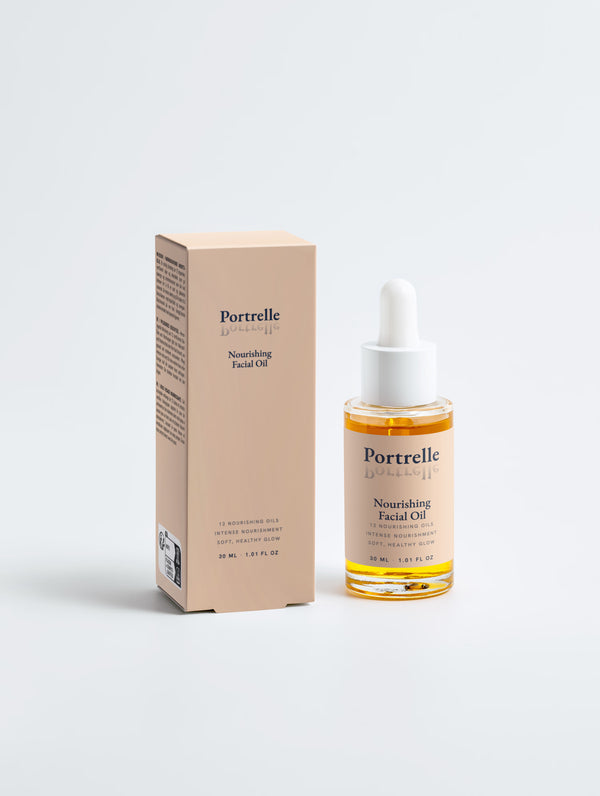
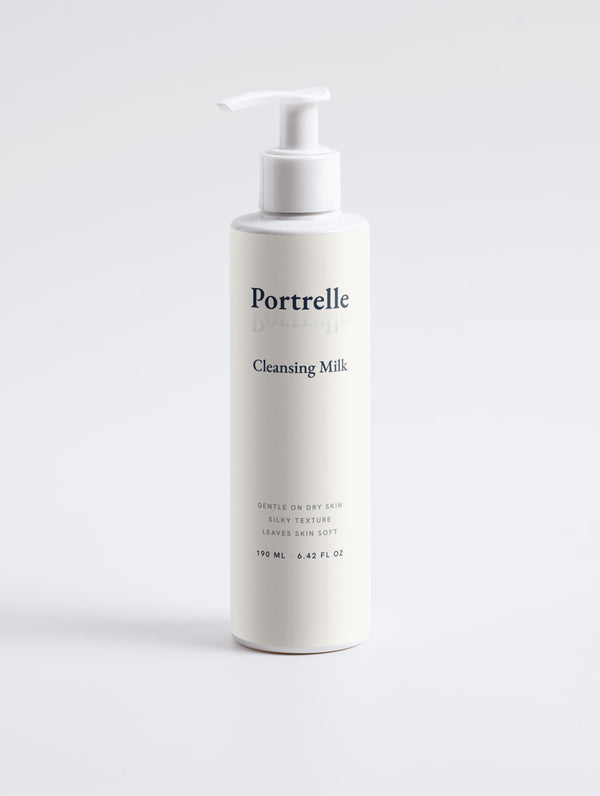
We like argan, but we rarely use it on its own. In our Nourishing Facial Oil, argan is paired with jojoba, so you get the nourishing side and the lighter side together in one blend. It is our quiet answer to the argan versus jojoba question: why not both. Argan also does gentle work in our Cleansing Milk, where it sits alongside shea butter for a soft, comfortable cleanse that stays kind to dry skin.
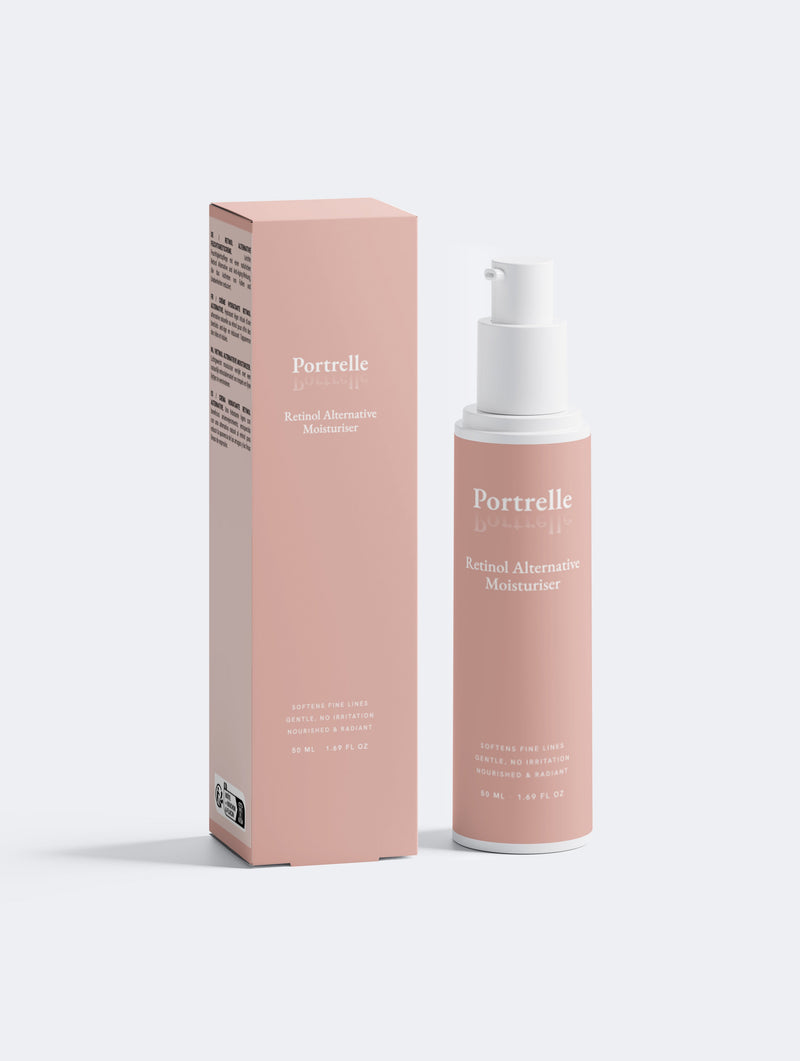
One honesty note. If a formula does not contain argan, we will not claim that it does. These two products are where you will actually find it, and that is the whole list. No hidden argan, no borrowed halo from the hair aisle. Just the oil doing what it genuinely does, making skin feel soft and comfortable at the end of the day.

This article is for general information and describes how ingredients feel and appear on skin. It is not medical advice. If your skin feels irritated, if you have a nut allergy, or if a concern will not settle, please speak to a pharmacist, doctor or dermatologist.