Sebum is the oil your skin makes on purpose. Tiny glands beside your hair follicles produce it, then push it up to the surface where it settles into a thin, soft film. That film acts as your skin's own moisturiser. It helps hold water in and keeps the surface feeling comfortable. So here is the honest headline: sebum is not the enemy. Skin that makes oil is skin doing its job. The aim is never zero oil. The aim is a calmer, less shiny look over time, without stripping the very skin you are trying to help.
Quick answers
What is sebum?
Sebum (talg in Dutch, sebum in French) is the natural oil your skin produces. It coats the surface as a protective film and works as a built-in moisturiser. Everyone makes it. Some of us simply make more.
How do you reduce sebum production?
You cannot switch it off, and you would not want to. What can help skin look less oily over time is gentle cleansing, niacinamide, and salicylic acid used a few times a week. Harsh scrubbing tends to backfire.
Does oily skin mean you are not cleansing enough?
Usually not. Over-cleansing and stripping the skin can leave it feeling tight, which sometimes nudges it toward more oil, not less.
Are the dots on my nose blackheads?
Often they are sebaceous filaments, a normal way pores channel oil to the surface. They are not something to squeeze away. There is more on this in our guide to what actually works for blackheads.
Why does your skin make oil?
Think of sebum as part of your skin barrier. The film it forms sits on top of the outer layer and helps slow water loss, so skin stays soft and less easy to irritate. It also gives the surface a little natural water resistance. This is why completely oil-free skin is not the goal. Strip it all away and the barrier has less to work with.
Oil is not spread evenly, either. The T-zone across the forehead, nose and chin has more active glands, which is why it often looks shinier than the cheeks. Output also shifts through the day, across the seasons, and across your life. A face that runs oily in a Belgian summer can feel quite different in January. This is also why combination skin is so common. One part of your face can feel greasy by lunchtime while another part feels dry, and both readings can be true at once.
What drives sebum overproduction?
A few things do most of the work here.
Genetics. If oily skin runs in your family, your glands may simply be busier. That is not a flaw to fix. It is a starting point to work with.
Hormones. Sebum production responds to hormonal signals, which is why it can rise in your teens and shift around your cycle. This is normal biology, not a sign you are doing something wrong.
Heat and humidity. Warm weather, exercise and steamy rooms all tend to increase how oily skin looks. Climate is a bigger lever than most people expect.
Over-cleansing. This is the one within your control, and the one people get wrong most often. Foaming twice a day, scrubbing hard, or reaching for strong astringents can leave skin tight. Tight skin can feel like it needs even more washing, and the cycle continues.
The most common own goal in an oily-skin routine is stripping. When you take away all the oil, skin can look shinier a few hours later, not calmer. Gentler almost always wins over time.
How do you calm the look of oily skin over time?
Slowly and gently, with a short routine you can actually keep up. There is no single hero step. It is the quiet consistency that pays off. Here is the honest shortlist, and you can find the full walk-through in our oily skin guide.
Cleanse gently, twice a day at most. A soft, non-stripping cleanser removes the day without leaving skin squeaky. Squeaky is a warning sign, not a win.
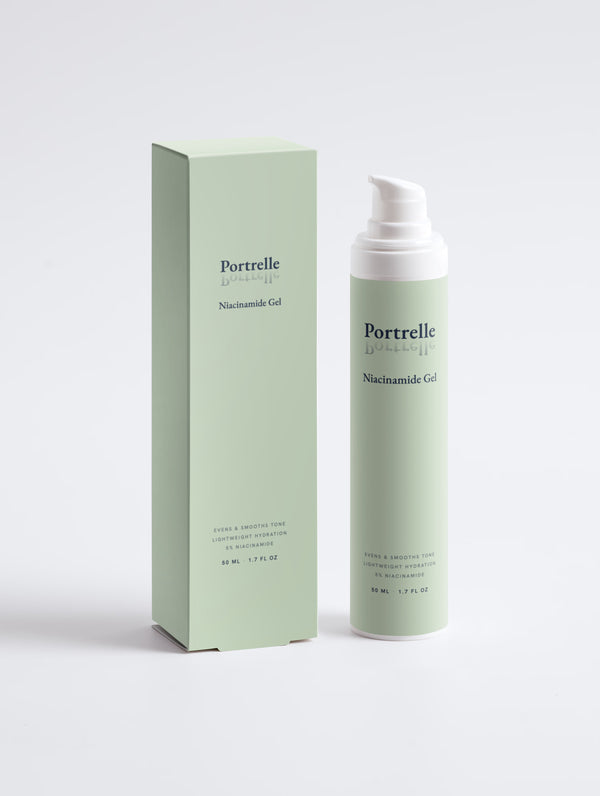
Add niacinamide. Niacinamide is a popular ingredient in routines for oily and combination skin. Our Niacinamide Gel is a 5% niacinamide gel moisturiser made with oil control in mind.
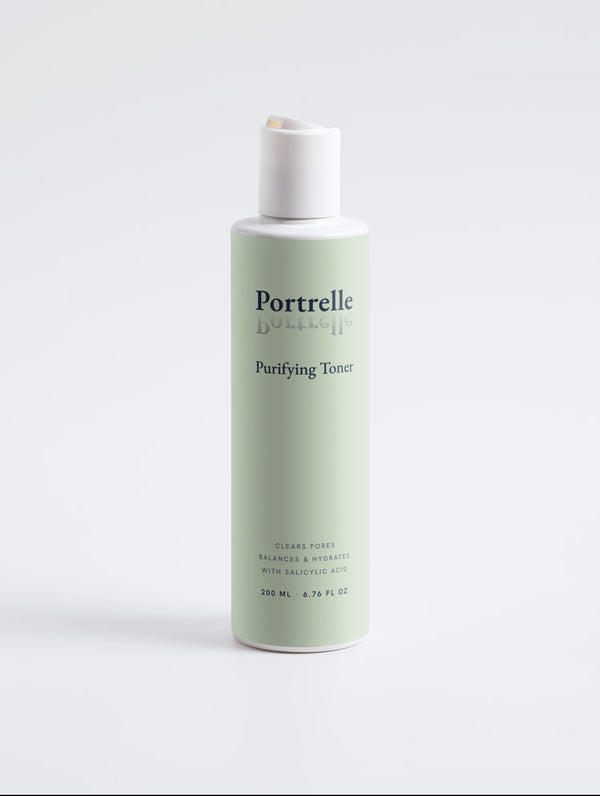
Use salicylic acid a few times a week. Salicylic acid is oil-soluble, so it suits oily skin and can help the surface look clearer and smoother over time. A few evenings a week is plenty for most people. Our Purifying Toner keeps it simple, with salicylic acid.

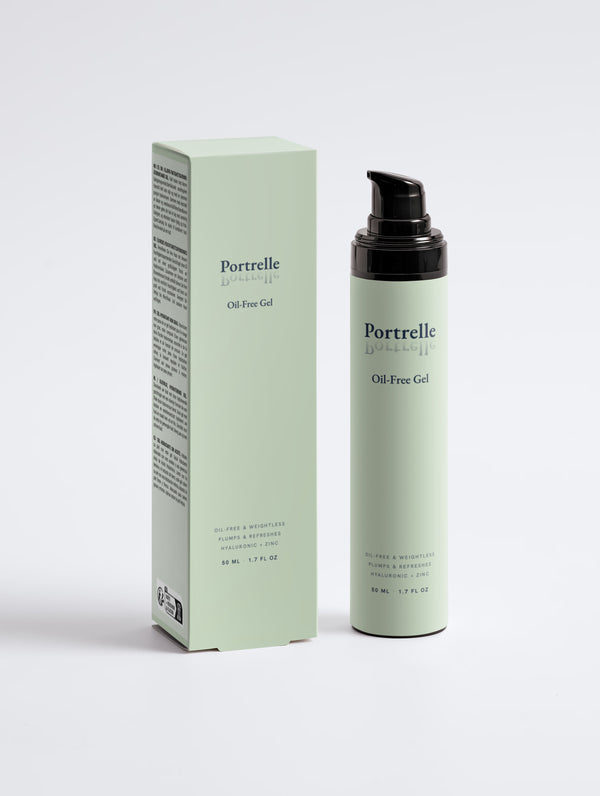
Do not skip hydration. Oily skin still needs water. A light, oil-free moisturiser keeps the surface comfortable so it is less tempted to overcompensate. Our Oil-Free Gel is an oil-free hydrating gel moisturiser, made for exactly this: hydration without a heavy, greasy finish.

A quick word on order. Cleanse first, then apply your salicylic acid on the evenings you use it, then hydrate. In the morning, keep things light and finish with sunscreen, because sun protection matters just as much for oily skin as for any other type. You do not need ten steps. You need a few good ones you will actually repeat.
Give any routine a few weeks before you judge it. Skin changes on its own schedule, not ours, and chasing a matte finish by the hour usually leads back to over-cleansing.
What about bumps and lumps under the skin?
Here is an important boundary, because these questions get searched a lot and the honest answers are different. Not every bump is about surface oil, and some are not a skincare topic at all.
A sebaceous cyst (talgkliercyste or talgbultje)
A sebaceous cyst is a soft lump that sits under the skin, and it is a different thing from everyday oiliness. No toner, serum or moisturiser will make it disappear, and we will not pretend otherwise. Please do not squeeze or pick at one at home, because that can lead to irritation and infection. If a lump bothers you, is growing, or is sore, the honest route is a doctor. A GP or pharmacist can point you in the right direction, and a doctor can look at it and remove it safely if needed. That is a clinic job, not a bathroom-shelf job.
Milia are something else again
Those tiny, firm white dots that will not budge are usually milia, and they are neither blackheads nor cysts. They form differently and they ask for a different approach. We cover them properly in our article on what milia actually are, including why picking at them is the wrong move.
So the short version stays the same. Sebum itself is a feature, not a fault. Work with it gently, keep your routine simple, and know when a bump belongs to a professional instead of a product.
This article is general information about skin and how it looks and feels. It is not medical advice. For any lump, cyst, painful spot or skin concern that worries you, please speak to a doctor, pharmacist or dermatologist.