If your face is red, hot and tight after a day in the sun, here is the honest short version. Get out of the sun. Cool your skin gently. Add light layers of hydration. And keep your hands off anything that starts to peel. A sunburn is skin damage, so nothing you put on it makes it fade faster. Time does that work on its own. Good care does not speed up the clock. It just makes the wait more comfortable and stops you from adding fresh damage while your skin settles.
Quick answers
How long does a sunburned face last?
Most of the redness settles over a few days. A lighter burn often calms within two or three days. A stronger one can stay warm and tight for a good while longer, and the skin sometimes flakes as it goes. There is no fixed timer. How long it lasts depends on how deep the burn goes and how well you protect the area while it settles.
How do you care for a sunburned face?
Cool it, hydrate it, and keep everything simple. Think cool showers, generous water-light hydration, and fragrance-free comfort. Pause your exfoliants and strong actives until your skin feels like itself again. Less is more here.
What does sunburned skin look like?
Usually pink to deep red, warm to the touch, tight and a little swollen. A day or two later it can feel dry and start to flake. Blisters mean a deeper burn, and that is a reason to check in with a pharmacist or doctor rather than manage it at home.
How does a sunburn go away?
On its own schedule. Your skin renews itself and the redness fades with time. You cannot make that happen faster, but you can avoid slowing it down. Stay out of the sun and be gentle, and you give your face the calmest possible run at settling.
When should you see a doctor?
Blisters, fever, chills, nausea, a large burnt area, noticeable swelling, or any burn on a child. In those cases, speak to a pharmacist or doctor today instead of waiting it out.
What helps a sunburned face feel better right now?
The goal in the first hours is comfort, not fixing. A burnt face feels better when it is cool and hydrated, so work through these in order.
First, get out of the sun completely. Shade helps, but indoors and covered is better while your skin is this sensitive.
Then cool it, gently. A cool shower or a cool damp cloth takes the heat down. Skip ice and ice packs. Very cold on already stressed skin can add its own kind of stress, and cool is all you are after.
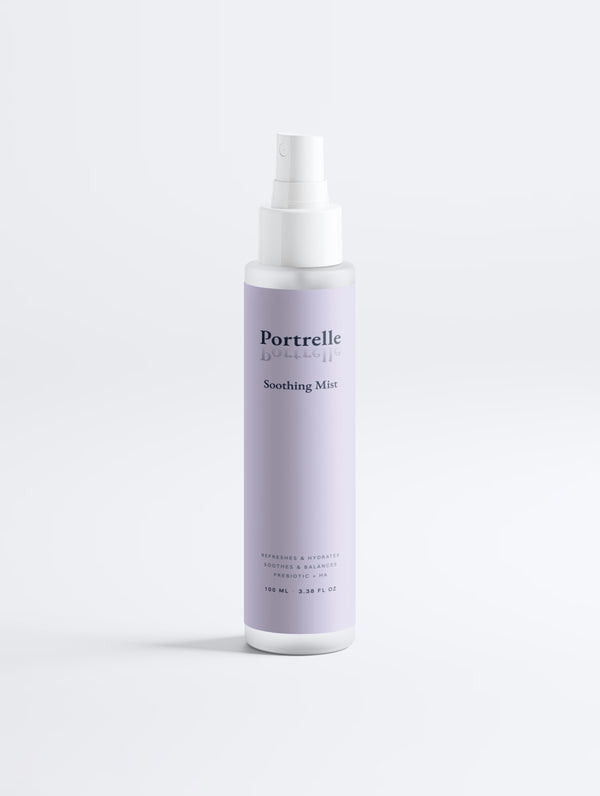
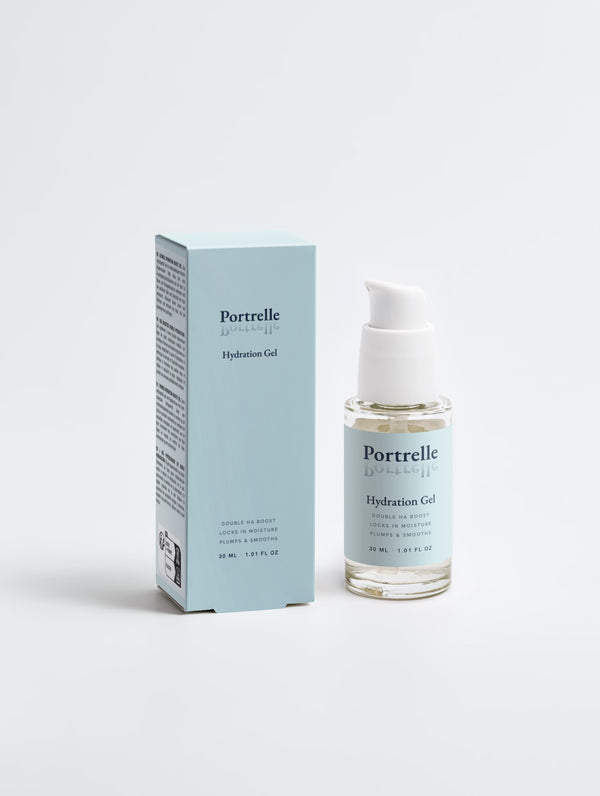
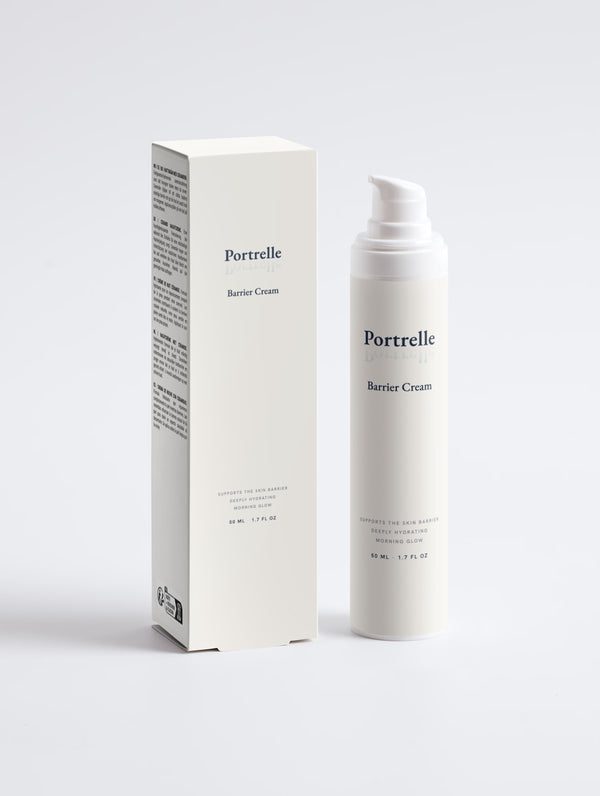
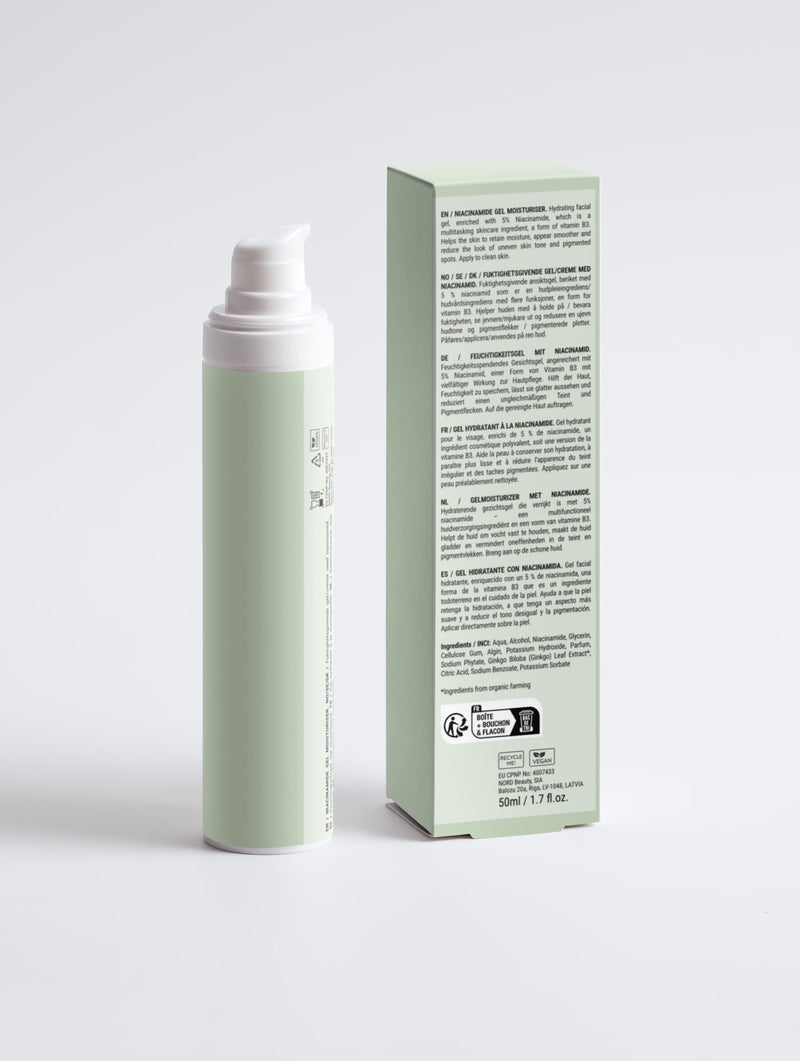
Next, add hydration in light layers while your skin is still slightly damp. A cooling face mist feels refreshing on hot skin, which is where our prebiotic Soothing Mist fits in. Follow with a light hyaluronic layer like the Hydration Gel for water-light comfort. At night, when skin often feels driest, a richer Barrier Cream with ceramides, hyaluronic acid, shea butter and aloe feels cushioning and calm. None of these undo a burn. They simply keep the surface comfortable while your skin does its own thing.

Keep everything fragrance-free for now. And when the skin starts to flake, let it shed on its own. Picking at peeling skin only exposes the tender layer underneath before it is ready.
What makes a sunburned face worse?
Three things reliably set a burnt face back, and all three are avoidable.
More sun before it settles is the big one. A burnt face has no defence left, so another dose of UV lands on skin that is already hurt. Stay covered until the redness is fully gone.
Strong skincare is the second. This is not the moment for acids, retinol, scrubs or any tingle-first product. Pause your actives for a few days and let your barrier catch its breath. If your skin still feels raw and reactive once the redness fades, our guide to looking after a stressed barrier walks through what to reintroduce, and when.
The third is your own hands. Picking, peeling and scrubbing all interrupt the quiet work your skin is trying to do. Leave it be.
A sunburn is skin damage. Nothing you apply makes that damage undo itself faster. What honest care does is make the wait more comfortable and stop you adding a second injury on top of the first.
How long will the redness last?
This is one of the most searched sunburn questions, and the honest answer is a range rather than a number. Surface redness usually eases over a few days. Tightness and dryness can linger a little longer, and a deeper burn takes its own time. Flaking a few days in is normal and does not mean anything went wrong. If your skin feels hot and depleted for a while afterwards, our notes on what skin wants once the burn cools down are a gentle next step. And if what you are seeing is more of an itchy, bumpy rash than a plain red burn, that can point to a sun sensitivity reaction instead, which is worth reading up on separately.
When should you call a pharmacist or doctor?
Most mild sunburn is a home matter. Some is not, and this is where we stop giving skincare advice and point you to a professional. Please speak to a pharmacist or doctor today if you see any of these:
- Blisters forming on the burnt skin.
- Fever, chills, headache or nausea.
- A large area of the face or body that is burnt.
- Noticeable swelling of the face.
- Any sunburn on a baby or young child.
These signs can point to a deeper burn or to your body reacting to more than just the skin, and they deserve real medical eyes rather than a face mist. We are a skincare brand, so we will always say it plainly: when a burn crosses into these, a professional is the honest answer, not a product.
What actually prevents the next burn?
Here is the part no aftercare routine can replace. Every sunburn adds up over a lifetime, so the real work is not what you do after. It is what you do before. Daily protection is the quiet habit that keeps you out of this situation, which is why we keep coming back to wearing SPF on your face every day.

Two things matter most. Choose a broad-spectrum sunscreen, and reapply it through the day, because one morning layer does not last until evening. A mineral SPF50 Sun Stick makes reapplying easy over the top of makeup or on the move, which is usually the difference between a routine you keep and one you forget by lunch. If you are weighing up your factor, our take on how SPF30 and SPF50 compare keeps it simple. Wait until your face has fully settled before you go back out, then protect it properly so you are not reading this guide again next month.
This article is general information about looking after sunburned skin and is not medical advice. Sunburn is a form of skin injury. If you have blisters, fever, chills, nausea, a large or swollen burn, or a burn on a child, please contact a pharmacist or doctor.