Sweet almond oil is one of the oldest, gentlest oils in skincare. It has a soft, cushiony feel, a long history in body care, and a spot in a lot of bathroom cabinets. On the face it suits many dry and normal skins. Here is the honest part first: Portrelle does not use sweet almond oil in any of our products. We build our facial oil on jojoba and argan instead. This article exists to answer the question fairly, so you can decide for yourself.
Quick answers
What does sweet almond oil do for your skin?
It softens and conditions. Sweet almond oil sits on the surface as an emollient, so skin feels smoother and more comfortable and looks a little more dewy. It does not change skin structure. Think comfort and glow, not correction.
Is sweet almond oil good for the face?
For many dry and normal skins, yes. It feels slightly heavier and more cushiony than a light oil such as jojoba. Oily or very breakout-prone skin often prefers something that sinks in faster.
Does almond oil help with wrinkles?
No oil removes wrinkles. Sweet almond oil can make the look of dry, fine lines appear softer for a while by conditioning the surface. That is a temporary, cosmetic effect, not a change to the lines themselves.
Does almond oil fade dark spots?
No. Oils do not lift pigment. If uneven tone is your main concern, look at what actually targets it in our guide to what helps with dark spots.
Can you use sweet almond oil at night?
Yes. A few drops as the last step of an evening routine is a common way to use it, especially on dry skin. Morning or night, the effect is the same soft, conditioned feel.
What is sweet almond oil, really?
Sweet almond oil (amandelolie in Dutch, huile d'amande douce in French) is a plant oil pressed from the kernels of sweet almonds. It is a carrier oil, which means it is mild, spreads easily, and is often used on its own or as a base for other ingredients. People have reached for it for generations in massage, body care, and gentle baby-skin routines. The reason is simple. It feels comfortable and it rarely stings.
One quick note to clear up a common mix-up. Almond oil also turns up in hair care and even in old household tips. Those are different jobs entirely. Here we are only talking about what it does on skin.
How does it feel on the face?
Cushiony. That is the word most people land on. Next to a dry-touch oil, sweet almond oil has a bit more slip and takes a moment longer to settle. On dry and normal skin that richness is a plus. It leaves a soft veil and a healthy-looking sheen.
If you prefer a lighter, quicker finish, you may like jojoba, which absorbs faster and feels close to the skin's own oils. Neither one is better than the other. It comes down to the feel you want.

Can sweet almond oil smooth wrinkles or fade dark spots?
This is where honesty matters most, because the questions people search for ask about rides (wrinkles) and taches brunes (dark spots). The honest answer to both is gentle.
On wrinkles: a well-conditioned surface can make fine, dry lines look softer in the moment. That is what any good facial oil does. It is a cosmetic, surface effect that fades again as the skin dries out. No oil erases a wrinkle.
On dark spots: oils do not remove pigment, full stop. If tone is your priority, an oil is the wrong tool for the job. Our honest take on dark spots walks through what genuinely makes a difference.
An oil can make skin look softer and more comfortable today. It cannot rebuild it. When a product promises to erase lines or spots with oil alone, that is marketing, not skin.
The safety note most articles skip
Sweet almond oil comes from a nut. That matters. If you have a nut allergy, treat almond oil with real caution and speak to a pharmacist or doctor before putting it on your skin, even inside a finished product. This is easy to overlook because the oil feels so mild, but a nut allergy is a medical question, not a skincare preference. When in doubt, ask a professional first. A patch test on a small area is a sensible habit with any new oil.
Why Portrelle uses jojoba and argan instead
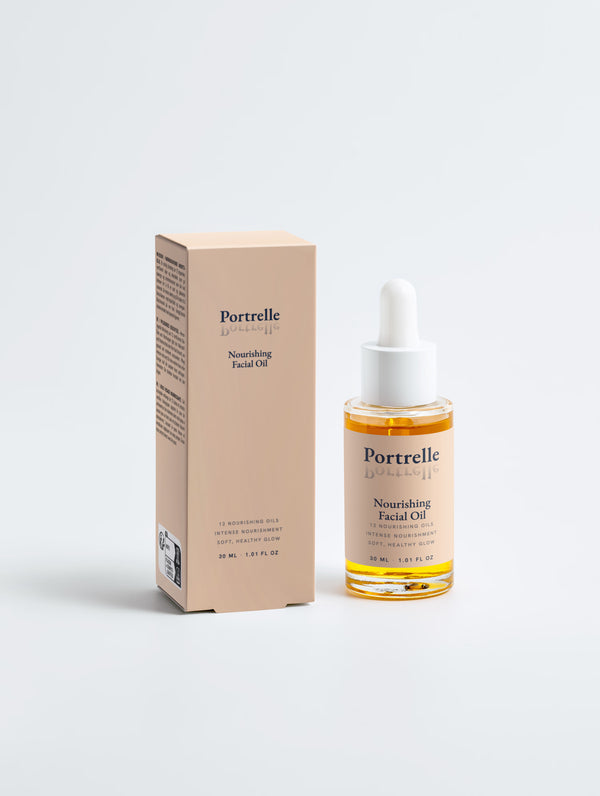
We looked at sweet almond oil and chose a different path. Our Nourishing Facial Oil is built on jojoba and argan. Jojoba gives that lighter, quickly absorbing feel that suits more skin types, day and night. Argan brings the nourishing, comforting side that dry skin likes. Together they cover the same softening job people reach almond oil for, with a finish we prefer.
None of this means almond oil is a poor choice. If you specifically want it, the honest advice is to buy a good cold-pressed sweet almond oil and use it as you like. We simply made a different formulation choice, and we would rather tell you that than pretend we use an ingredient we do not.
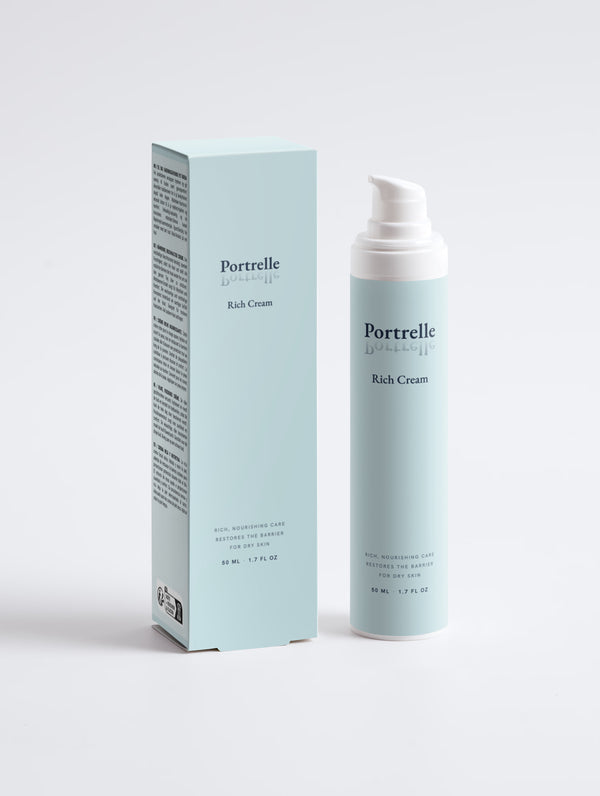
For very dry skin that wants more than an oil, a cream can hold moisture in better. Our fragrance-free Rich Cream is made for exactly that.

And if you are still weighing up which oil suits you, our facial oil guide lines up the options so you can compare them side by side.
This article is for general information about how ingredients feel and appear on skin. It is not medical advice. If you have a nut allergy, sensitive skin, or a specific skin concern, please speak to your doctor, pharmacist, or dermatologist.