Gua sha is a smooth stone tool you glide across your face to massage the skin. Does it work? For a few honest things, yes. The massage feels genuinely nice, and it can briefly soften the look of morning puffiness. For anything permanent, no. A stone does not lift, tighten or restructure a face. Here is the useful part: Portrelle does not sell gua sha tools, so we have nothing to talk you into. That leaves us free to give you the honest version, which is exactly the point of this piece.
Quick answers
Does gua sha work?
It depends on what you expect. As a slow facial massage that feels calming and can temporarily reduce the look of puffiness, yes, it does something real. As a way to permanently change your face shape or to replace your skincare, no. Knowing which one you are after saves a lot of disappointment.
Is gua sha lymphatic drainage?
That is the most plausible explanation for the temporary de-puffing. Gentle massage seems to help fluid move along, so the skin can look a little less swollen for a while. It is a short-lived effect, not a structural change.
Is gua sha permanent?
No. Any smoothed or de-puffed look is temporary and tends to fade over the course of the day. That is not a flaw in the tool. It is simply what facial massage does.
Which gua sha stone is best?
The material matters far less than most videos suggest. Jade and rose quartz feel slightly different in the hand, but neither one changes what the massage can do. Pick the stone you enjoy looking at, because that is the one you will actually reach for.
What is gua sha, actually?
Gua sha is a flat, smooth stone shaped to fit the curves of the face and jaw. The name comes from a traditional Chinese practice, where firmer scraping techniques on the body have a long history. The facial version you see on your feed today is a much gentler descendant, mostly about slow massage and ritual rather than anything intense. In French searches it turns up as "gua sha visage", usually alongside "bienfaits" and "utilisation", which is just people everywhere asking the same two things: what does it do, and how do you use it. Those are fair questions, and they deserve straight answers.
What does gua sha really do, and not do?
Here is the honest split. Facial massage feels good, and that alone has value at the end of a long day. Moving a cool stone slowly across your skin is relaxing, and taking five quiet minutes for yourself counts as a real benefit, even when nothing measurable changes on your face. A little massage can also leave the skin looking flushed and fresh in the moment, the way a warm shower or a brisk walk does. So when people ask whether gua sha is good, the fairest answer is yes, for what it honestly is. The trouble only starts when it gets sold as something it is not.
The de-puffing is real, but brief. A gentle massage seems to help fluid move, which is why a puffy morning face can look a little more awake afterwards. That look softens again as the day goes on. If under-eye puffiness is your main reason for reaching for a stone, our guide to puffy eyes and dark circles goes deeper into what genuinely helps and what does not.
A stone can help your skin look calmer and less puffy for a while. It cannot lift, tighten or restructure your face. Those are two very different promises, and only one of them is honest.
What gua sha does not do is the part the internet tends to skip. It does not replace your skincare, and it does not do what injectables or clinical treatments do. If your real interest is fine lines rather than puffiness, it is worth reading wrinkles: what actually helps before you buy any tool, so your expectations line up with reality from the start.

Which gua sha stone is best: jade or rose quartz?
This is one of the most searched questions, and the honest answer is a little deflating: the stone barely matters. Jade and rose quartz warm and cool at slightly different rates and feel a touch different against the skin, but the benefit comes from the massage, not the mineral. So do not overthink jade versus rose quartz. Choose the colour and shape you like looking at, because you are far more likely to keep using a tool that feels like yours. The best stone is the one you actually pick up.
How do you use gua sha safely?
Technique matters more than the tool. The single most important rule is slip: never drag a stone across dry skin. A few drops of a facial oil give the stone something to glide on, so it moves smoothly instead of tugging or pulling at the skin.
- Start with clean skin, then add a few drops of facial oil.
- Use light pressure, and work outward and upward along the cheeks and jaw.
- Go slowly, with a few gentle passes. This is a calm ritual, not a workout.
- Skip any active breakouts, and avoid irritated or broken skin. Stop if anything stings.
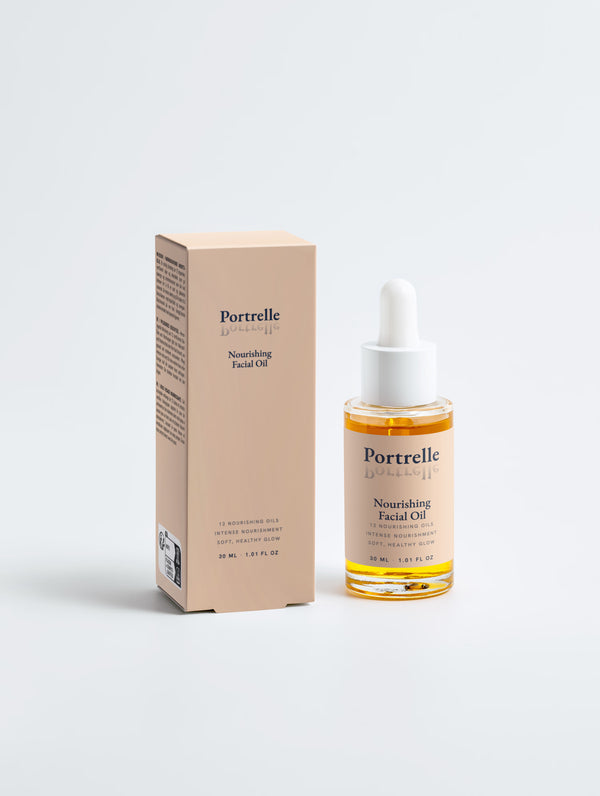
For the oil itself, our Nourishing Facial Oil with jojoba and argan gives the slip a stone needs. If you want the fuller picture on how facial oils fit into a routine, the facial oil guide walks through it. And the honest note we promised: if you never buy a stone at all, clean hands and the same oil deliver most of the massage benefit anyway. The habit is doing the work, not the mineral.

Is gua sha better in the morning or at night?
Either works, so let your goal decide. Morning is the natural choice for puffiness, when a few minutes of gentle massage can help a tired face look more awake before the day starts. Evening leans into the ritual side: a slow, quiet wind-down that calms you as much as it does anything to your skin. If you only have time for one, pick the slot you will genuinely keep, because consistency beats timing every time.
That is the whole honest picture. Gua sha is a pleasant ritual with a genuine, temporary de-puffing effect and no magic beyond that. Buy a stone if the habit appeals to you, skip it if it does not, and either way, do not expect a stone to do a dermatologist's job. We would rather you spend well than spend on a promise nobody can keep.
Read next
This article is for general information and is not medical advice. If you have a skin concern or a condition you are worried about, please speak to a doctor, pharmacist or dermatologist.