Dry skin and dehydrated skin can feel the same, but they are not. Dry skin is a skin type that lacks oil and tends to stay that way. Dehydrated skin is a temporary state where skin lacks water, and even oily skin gets it. To rebuild a stressed barrier, simplify your routine for a while. Cleanse gently and keep skin hydrated, then give strong actives a rest until it feels calm again.
What is the difference between dry and dehydrated skin?
Dry skin is a skin type. It does not make much oil, so it often feels rough, looks flaky and can stay that way for years. You are usually born with a tendency towards it, and it can become more noticeable in winter or with age.
Dehydrated skin is a state, not a type. It lacks water rather than oil, which is why it can happen to anyone, including oily and combination skin. The classic sign is skin that feels tight and looks dull, yet still turns shiny by the middle of the day. A dehydrated look is usually temporary and responds well to a gentler routine.
How do I know if my skin barrier is damaged?
Your skin barrier is the outer layer that helps hold water in and keep irritation out. When it is working well, skin feels comfortable. When it is stressed, you tend to notice a few things: tightness after cleansing, stinging from products that used to feel fine, patches of redness, and flaking or rough texture.

A reactive barrier can also make skin feel warm or prickly. If your skin is persistently sore, very red, cracked or changing in a way that worries you, please see a GP or dermatologist rather than treating it at home. Skincare can support comfort, but it is not a substitute for medical advice.
What strips the skin barrier?
Most barrier trouble comes from doing too much rather than too little. The usual culprits:
- Cleansing too often, or with a harsh foaming wash that leaves skin squeaky and tight.
- Layering several acids or exfoliating most days, which can leave skin raw over time.
- Hot water and long showers, which strip oils faster than lukewarm water.
- Strong fragrance, or a stack of new actives introduced all at once.
When skin feels raw, doing less is usually the fastest way to feel comfortable again.
How do I rebuild my skin barrier?
The aim is simple. Calm things down, then give skin the ingredients it uses to hold onto water. A short, gentle routine tends to help more than a long one.

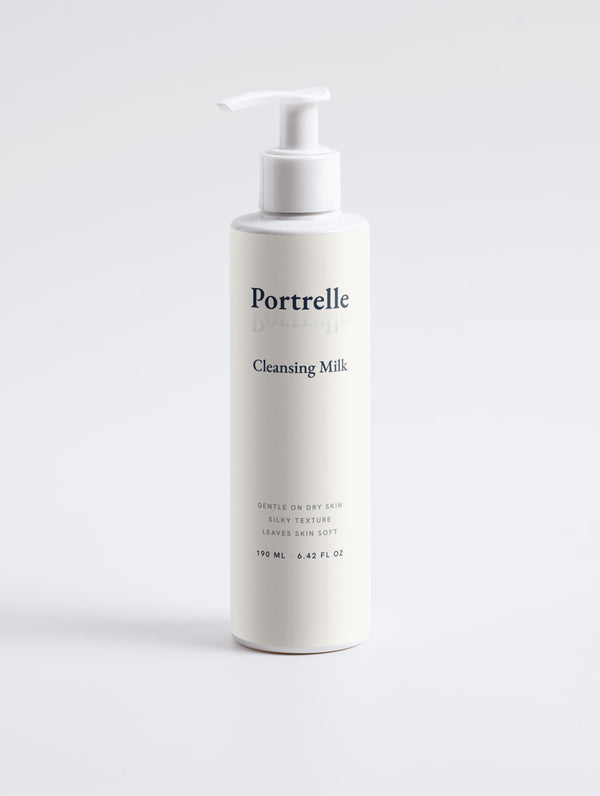
- Swap to a gentle cleanser. A non-stripping cream cleanser like our Cleansing Milk removes the day without leaving skin tight.
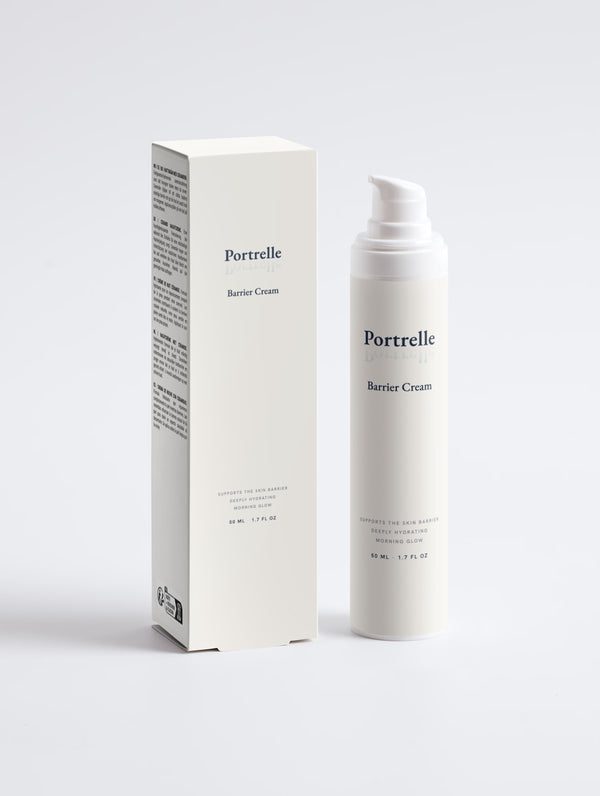
- Add ceramides. Ceramides are lipids that help the barrier feel whole. Our Barrier Cream pairs ceramides with shea butter, hyaluronic acid and aloe as a comforting night step.
- Pair humectants with a richer cream. Humectants such as hyaluronic acid draw in water, and a richer cream on top helps skin hold onto it. For very dry skin, our fragrance-free Rich Cream is a heavier option.
- Go fragrance-free when reactive. If skin is stinging, fragrance-free formulas give it less to react to.
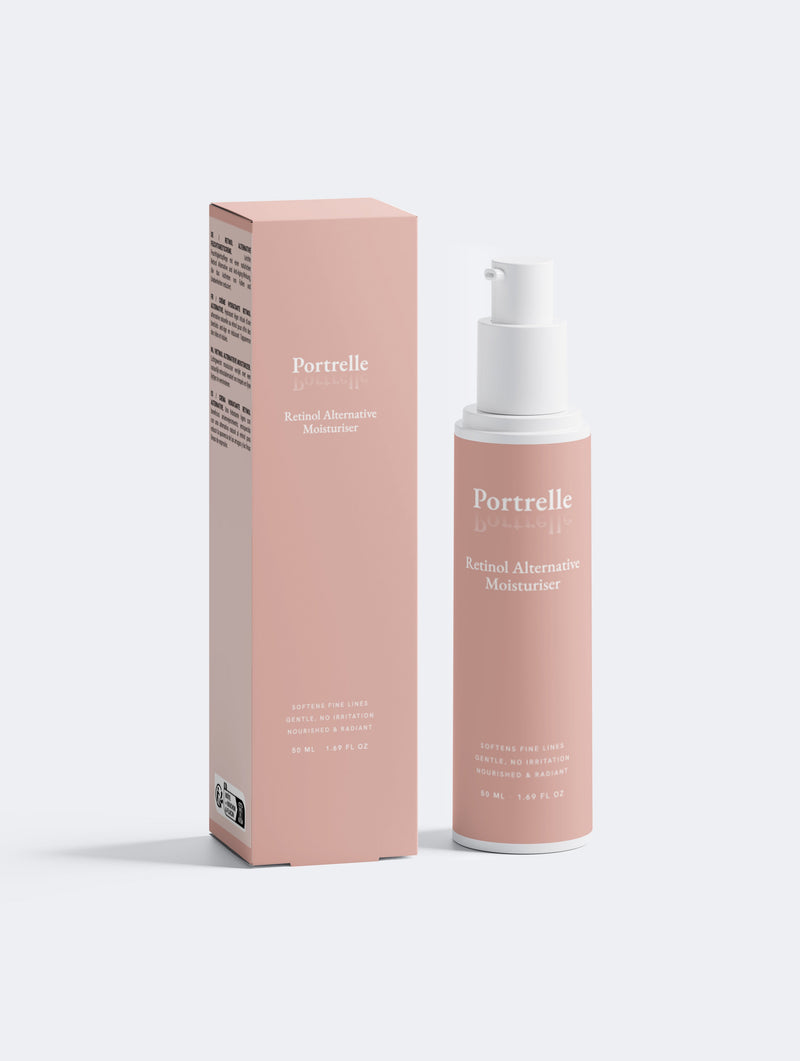
- Press pause on the actives. Put retinoids and acids on hold for a week or two while the barrier settles, then reintroduce them slowly.
If you like a facial oil, a few drops of our Nourishing Facial Oil, made with organic jojoba, argan, avocado and sea buckthorn, can sit over your moisturiser to help seal everything in.
What helps sensitive, irritated or reactive skin?
Sensitive and hypersensitive skin does best with fewer ingredients and no surprises. Choose fragrance-free where you can and patch test anything new. Give each product a few days before adding the next. Warmth, stinging or redness are cues to slow down rather than scrub harder.
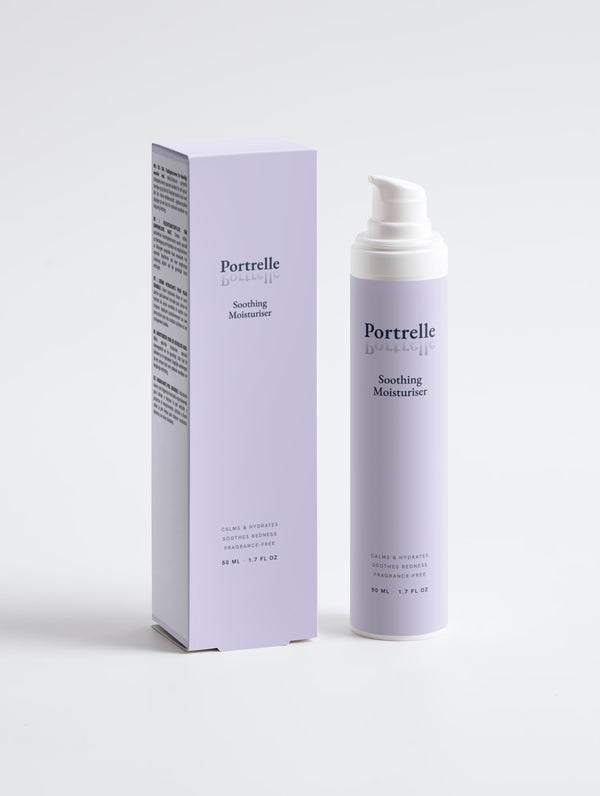
For a calming daytime moisturiser, our fragrance-free Soothing Moisturiser uses aloe and red algae to help skin feel comfortable. You will find it alongside the rest of our Calm & Soothe collection, which is built around sensitive skin.
Which cleanser and day cream suit sensitive skin?
For cleansing, a mild cream or milk formula is usually kinder than a foaming gel. Our The Daily Duo sets the Cleansing Milk with a prebiotic serum, so you have a gentle two-step base to build on. For daytime, a fragrance-free moisturiser with soothing ingredients keeps skin calm under makeup or sunscreen.
Not sure where to start? Our find your ritual guide can point you towards a simple routine for your skin.
Quick answers
Can oily skin be dehydrated?
Yes. Dehydration is about water, not oil, so oily and combination skin can feel tight and look dull while still turning shiny. A lightweight, water-drawing routine usually helps.
How long does it take to rebuild a skin barrier?
It varies from person to person, so there is no fixed timeline. Being gentle and consistent, and pausing strong actives, gives skin the best chance to feel comfortable again.
Should I stop using acids if my skin stings?
Pausing acids and other actives for a week or two is a sensible first step. Reintroduce them slowly once skin feels calm, and see a professional if the stinging continues.
Is fragrance-free better for sensitive skin?
For reactive or hypersensitive skin, fragrance-free formulas give the skin less to react to. It is a simple way to keep a routine gentle.
Read next
- Dry Skin on Your Face: What to Do, Morning to Night
- How to Support a Damaged Skin Barrier
- Ceramides for Skin: Your Barrier's Building Blocks, Explained
Experiential claims describe how skin looks and feels. Individual results vary.