If you are searching for a retinol cream, you are probably close to buying one somewhere. So here is the honest short version before you spend your money. Check the concentration. Check the packaging. Read the rest of the ingredient list, not just the hero ingredient. And give it months, not weeks. One more thing worth saying right at the top: Portrelle does not sell retinol at all. We chose a gentler, plant-based route instead. We are still glad to help you buy a good retinol cream anywhere you shop, because a straight answer is worth more to you than a sales pitch.
Quick answers
What is a retinol cream?
A retinol cream is a moisturiser that contains retinol, a form of vitamin A. It is one of the more widely studied ingredients in skincare, and it is usually applied in the evening.
What does a retinol cream do?
People reach for retinol for the look of smoother, more even skin over time. It works slowly. Any visible change tends to be gradual, a matter of months of consistent use rather than an overnight fix.
Which retinol cream is best?
The best one for you tends to have a sensible concentration, airtight and opaque packaging, and calming companion ingredients. Be wary of anything shouting an extreme percentage on the front of the box.
Can you use retinol cream during pregnancy?
Retinoids are generally discouraged during pregnancy and breastfeeding. Ask your doctor or midwife, and consider a plant-based alternative for that period.
How strong should the retinol be?
Concentration is the first thing to look at, and it is where a lot of marketing gets loud. Higher is not automatically better. Stronger formulas are more likely to leave skin looking red, tight and flaky, especially in the early weeks. There is also a regulatory reason to be sceptical of extreme numbers. EU cosmetics rules have recently set limits on how much retinol a face product may contain, so any cream advertising an unusually high percentage deserves a raised eyebrow rather than your trust. A modest, well-formulated concentration is easier to live with, and it is easier to stay consistent with, which matters more than a big number on the packaging. If you are weighing retinol against its stronger relative, our guide on retinal versus retinol is a calm place to compare the two.
Why does the packaging matter so much?
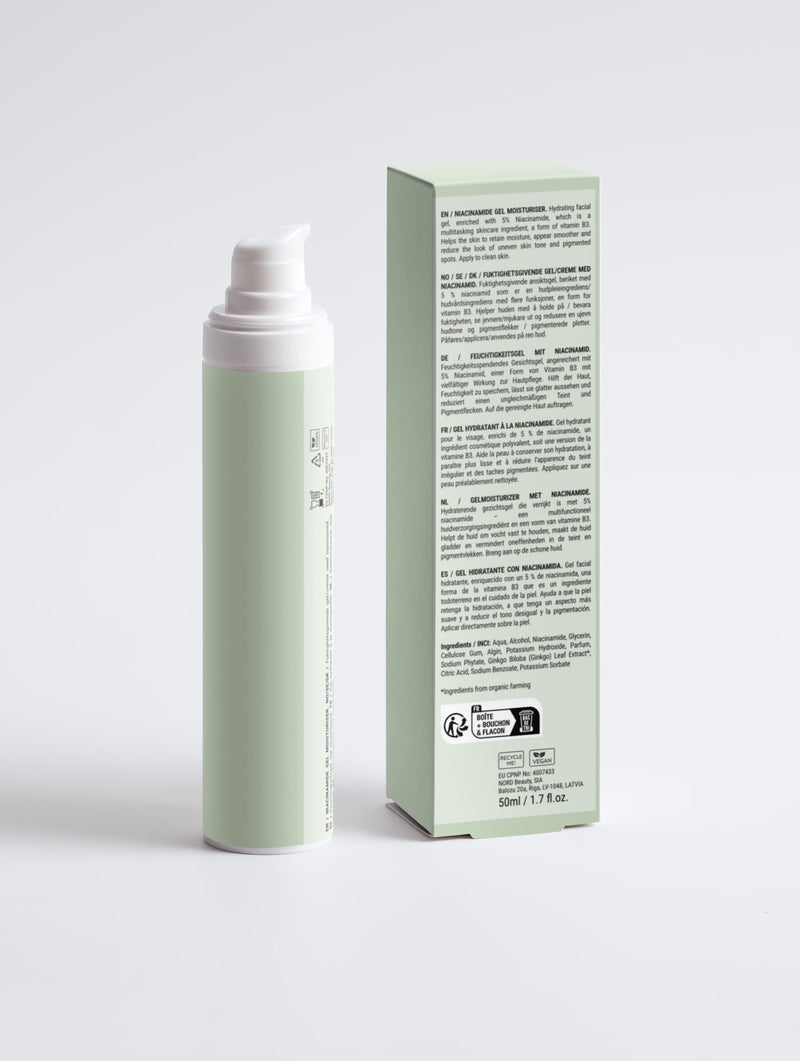
Retinol is fragile. It breaks down when it meets light and air, which means the container is not a small detail. It is part of whether the product still does anything by the time you reach the bottom. This is also the fastest quality check you can do in a shop. A wide-mouth jar that you dip your fingers into is a red flag, because every open lid lets in air and light and your fingertips. An airless pump or an opaque tube is the good sign. It keeps the formula sealed and stable for longer, and it keeps your hands out of it.
The honest test is simple. If a retinol cream sits in an open jar and promises results overnight, put it back on the shelf.
What else should be in the formula?
A retinol cream is only as kind as the company it keeps. The rest of the ingredient list does a lot of quiet work. Look for calming, cushioning companions such as niacinamide, panthenol, glycerin, ceramides or squalane. These help skin feel comfortable while it gets used to the retinol. A formula that is all active and no comfort is the kind that ends up abandoned in a drawer after one rough week. A good rule of thumb: the more soothing the supporting cast, the easier the whole thing is to keep up. Read past the marketing on the front and turn the box over. The back is where the honesty lives, and a short, thoughtful ingredient list usually beats a long list of buzzwords.
How long until you see anything?
Set your expectations in months, not weeks. Retinol asks for patience. In the first stretch it is common for skin to look and feel drier, and some people notice a phase often called purging, where things seem to look a little worse before they settle. None of that means the cream has failed. It is simply the adjustment period, and it is exactly why starting slowly matters so much. Our gentle retinol starter guide walks through how to ease in without overwhelming your skin, so the early weeks feel manageable rather than dramatic.
Is retinol safe during pregnancy?
This is one of the most searched questions about retinol, and it deserves a plain answer. Retinoids are generally discouraged during pregnancy and while breastfeeding. This is not a topic to settle from a blog post. Speak to your doctor or midwife about what is right for you. In practice, many people simply pause retinol for this period and switch to a plant-based alternative that feels gentler, then return to their usual routine later if they choose to. It is a normal, temporary swap, not a failure, and your midwife or doctor can tell you what fits your situation.
Where does Portrelle stand?
Here is our honest position. We do not sell retinol. We looked at it closely and chose a different path, because a lot of people want the look retinol is known for without the sting, the peeling and the fuss. Our route is plant-based. We work with Bidens Pilosa, a botanical often described as a plant-based retinol alternative, and with bakuchiol, a plant extract many people reach for as a softer option. If you want the full picture, our overview of retinol alternatives lays it all out, and our piece on bakuchiol goes deeper on that single ingredient.

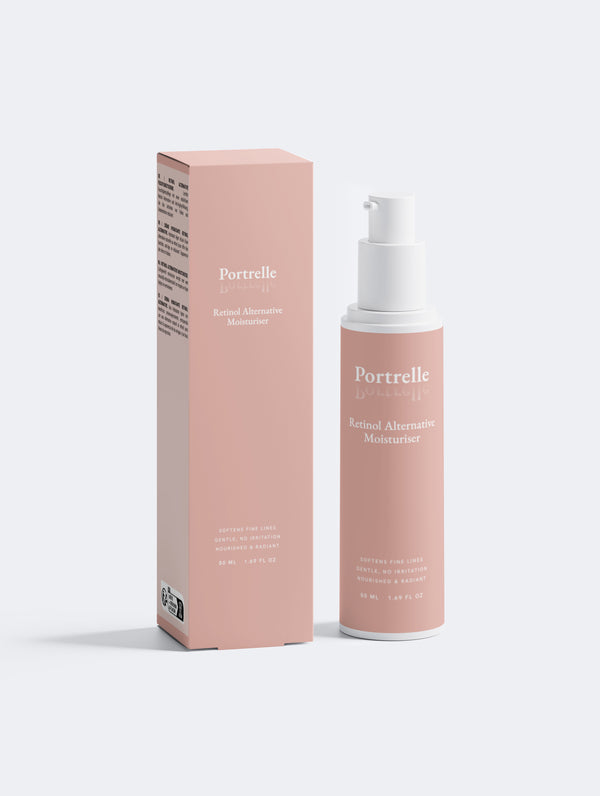
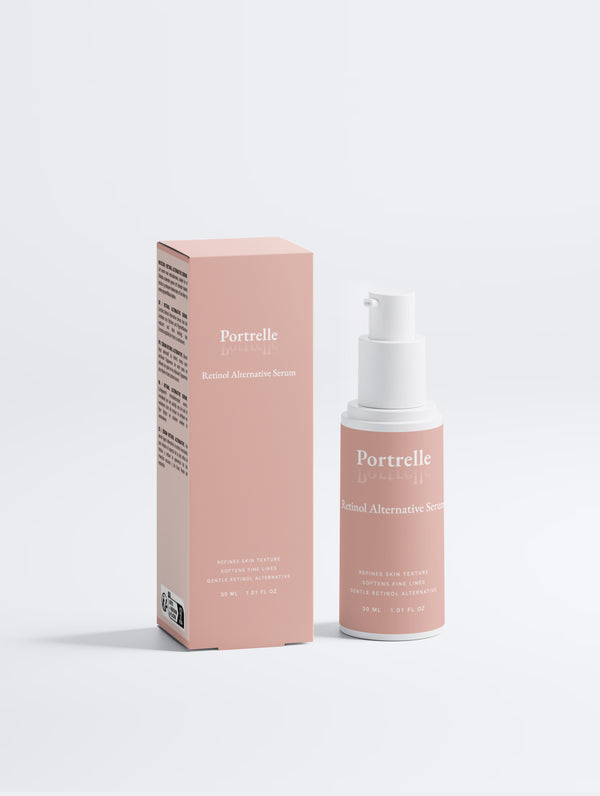
For the cream format that most people mean when they type retinol creme into a search bar, our Retinol Alternative Moisturiser with Bidens Pilosa is the one to look at. If you prefer a lighter layer to wear under your usual moisturiser, the Retinol Alternative Serum uses the same botanical in a thinner texture.

And if, after all of that, you still want classic retinol, that is completely fine by us. Take the checklist with you when you go: a sensible concentration, airtight and opaque packaging, soothing companions on the ingredient list, and patience measured in months. It serves you whether you buy from us or from anyone else. We would honestly rather you buy well than simply buy from us, because that is the sort of thing you remember about a brand.
This article is for general information and describes the look and feel of skincare, not medical advice. For anything involving pregnancy, breastfeeding or a specific skin concern, please speak to a doctor, midwife, pharmacist or dermatologist.