Dry skin on your face usually settles with three moves: cleanse gently, add water-loving hydration, then seal it in with a richer cream. Trade foaming cleansers and hot water for a milk cleanser and lukewarm water, and finish the evening with something that holds moisture in overnight. Most faces feel calmer and less tight within a couple of weeks of steady, simple care.
This article is the hands-on routine. If you first want to know whether your skin is genuinely dry or simply dehydrated, our guide to dry versus dehydrated skin explains the difference. Here we stay practical: what to actually do, from morning to night.
Quick answers
What can you do about dry skin on your face?
Cleanse with a non-foaming milk, apply a hydrating serum to slightly damp skin, then lock it in with a rich, fragrance-free cream. In the evening you can add a facial oil as the very last step. Keep water lukewarm and skip the scrubbing.
What helps against dry skin?
Fewer, gentler steps done every day help more than a crowded shelf. Humectants like hyaluronic acid draw water into the skin, and richer creams with shea butter or ceramides help hold it there. Consistency does more than any single hero product.
Why is my skin so dry?
Cold air, indoor heating, long hot showers, harsh cleansers, and age can all reduce the skin's natural oils. When those oils drop, water escapes more easily, and skin starts to feel tight and look flaky. Usually it is a few of these at once, not just one.
Which cream is best for dry skin?
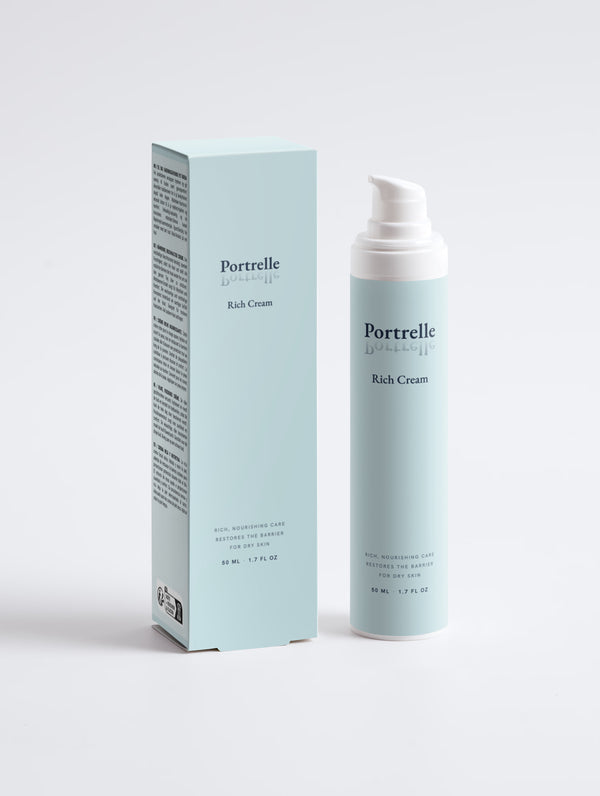
A richer, fragrance-free cream tends to suit dry facial skin best, ideally one with nourishing butters or ceramides. Our Rich Cream is made for exactly this. At night, a ceramide cream can add a little extra comfort.
Why does facial skin get dry?
Your face sits exposed all day, so it feels the weather first. Cold, wind, and dry indoor heating pull moisture from the surface. Long hot showers feel wonderful and strip oils at the same time. Foaming or high-pH cleansers can leave skin squeaky and tight, which is a sign they took too much. And with age, skin naturally makes fewer of the oils that keep it soft, so a routine that worked in your twenties can feel too light later on.
None of this means your skin is broken. It usually means the balance of oil and water has tipped, and a gentler routine can tip it back.

What does a dry-skin routine look like, morning to night?
The shape stays the same each day: clean, hydrate, seal. Evenings earn one or two extra steps, because that is when skin does most of its recovering.
Morning
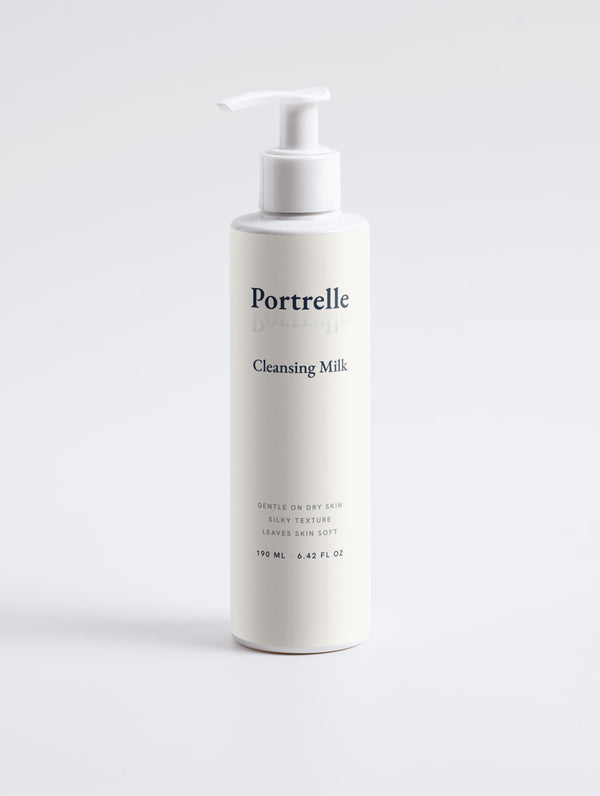
Start soft. A non-foaming Cleansing Milk with argan oil and shea butter lifts away the night without stripping, which matters most on dry skin. Rinse with lukewarm water and pat, do not rub, dry.
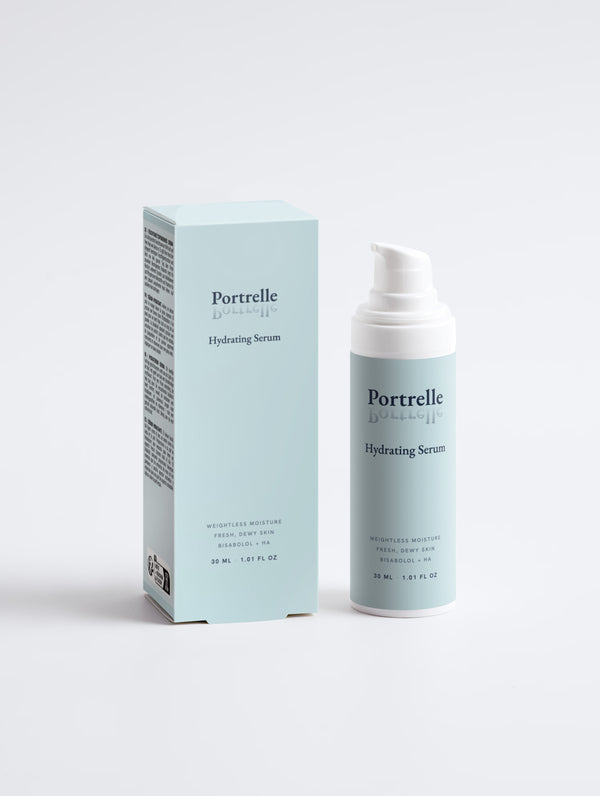
While skin is still slightly damp, apply a hydrating serum. Hyaluronic acid is the classic choice because it is a humectant: it pulls water toward the skin and helps it look plumper and less tight. Our Hydrating Serum is a simple hyaluronic acid serum, and if you are new to the ingredient, our explainer on hyaluronic acid keeps it simple. Follow with your Rich Cream to seal that water in, and use a sunscreen over the top. Sun and cold both make dryness worse, so daily protection is quietly one of the best things you can do.
Evening
Cleanse again with the same gentle milk to remove the day. Reapply your hydrating serum, then your richer cream. This is also the moment for a facial oil. Used as the very last step, an oil like our Nourishing Facial Oil, a jojoba and argan blend, sits on top and slows water loss overnight. If you are not sure whether you even need one, that is a fair question, and plenty of dry skin does perfectly well without an oil.
A few nights a week, or every night if your skin likes it, you can swap your evening cream for a ceramide night cream. Ceramides are part of what keeps the skin's surface intact, so a cream with ceramides, hyaluronic acid, and shea butter can help skin feel more comfortable and look less tight by morning. It supports the skin's own barrier rather than doing anything dramatic to it.

Dry skin rarely needs more products. It usually needs gentler ones, used every single day.
What daily habits help dry skin?
Small habits often move the needle more than a new bottle.
- Keep water lukewarm. Hot water on your face and in the shower strips oils fast. Warm, not hot, is kinder.
- Be honest about humidifiers. A humidifier can genuinely help in dry, heated rooms in winter, because it puts moisture back into the air your skin sits in. It is not a cure, and it will not fix a harsh routine, but it is a reasonable helper when the air is bone dry.
- Do not over-exfoliate. This is the big one. You will see plenty of advice to exfoliate dry skin with acids like glycolic or lactic acid. We do not build our dry-skin routine around them, and we do not sell a strong facial acid for this purpose. Exfoliating acids remove dead surface cells and can make skin look smoother for a while, but on skin that is already dry they often take more than they give and leave it tighter. What we reach for instead is gentle cleansing and steady hydration, which are slower but far kinder.
- Protect and cover. Sunscreen by day, and a scarf over your face in cold wind, both spare your skin work.
When should dry skin on your face see a doctor?
A gentle routine handles most everyday dryness. Some things sit outside skincare, though. If your skin is flaky, itchy, red, and stays that way despite weeks of careful, gentle care, that can point to eczema or another condition rather than plain dryness. Cracked or weeping skin, or dryness in one stubborn patch that will not settle, is also worth a professional look. In those cases, please see a doctor or dermatologist. They can look properly and suggest treatment that a moisturiser cannot.
For everyone else, the plan is refreshingly boring: cleanse gently, hydrate, seal, protect, and give it a couple of weeks. Boring tends to work.
Read next
Experiences vary from person to person, and what suits one face may not suit another. This article is for information only and is not medical advice. If you have a persistent or worsening skin concern, please speak to a doctor or dermatologist.