Glass skin is the K-beauty ideal of a complexion that looks smooth, deeply hydrated and almost translucent, as if light passes through it. Here is the honest part: it is only partly skincare. Genetics, pore size, good lighting and a little makeup do a lot of the work you see in the photos.
The better news is that skincare really can move your skin in that direction. Layered hydration, a smooth surface and an even tone, kept up over weeks, give you a softer, dewier, more even look. That is a realistic goal. A permanent filter is not.
Quick answers
What is glass skin?
Glass skin describes a clear, poreless-looking, very hydrated complexion with a soft sheen. The idea comes from Korean skincare culture. In real life it is a mix of well-hydrated skin, smooth texture, even tone and flattering light.
How do you get glass skin?
You build it, you do not buy it in one bottle. Focus on hydration, gentle exfoliation, an even tone and daily sun protection, then give it a few weeks. Consistency matters far more than the number of steps.
What products do you need for glass skin?
Fewer than the tutorials suggest. A hyaluronic acid serum, a gentle exfoliant, a niacinamide moisturiser and a daily SPF cover the essentials. Everything past that is personal preference.
Is glass skin realistic for everyone?
Not in the literal, poreless sense, and that is fine. Skin type, pore size and texture are partly genetic, so the look lands differently on everyone. You can still make your own skin look calmer, smoother and more hydrated.
So what actually moves skin toward glass skin?
Strip away the styling and four things do the heavy lifting. None of them are dramatic on their own. Together, over time, they add up.
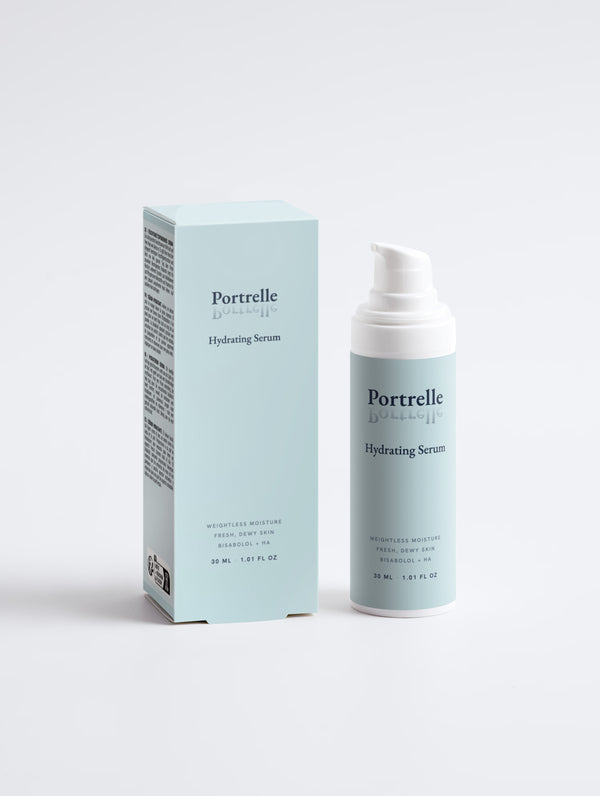
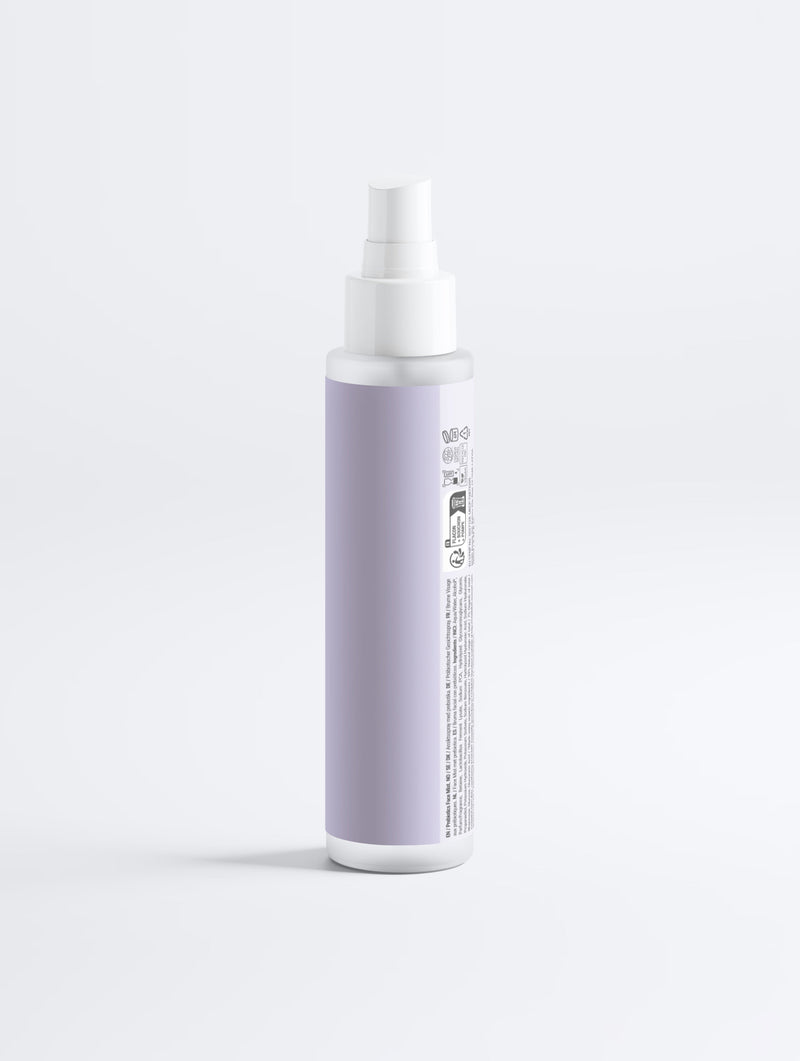
Layered hydration. Glass skin is hydrated skin, first and foremost. Hyaluronic acid holds water in the upper layers so skin looks plumper and light bounces off it more evenly. Apply it to slightly damp skin, then seal it in with a moisturiser. Our Hydrating Serum is a straightforward hyaluronic acid serum for exactly this, and if you want the full picture on the ingredient, we wrote a plain-English guide to what hyaluronic acid actually does.

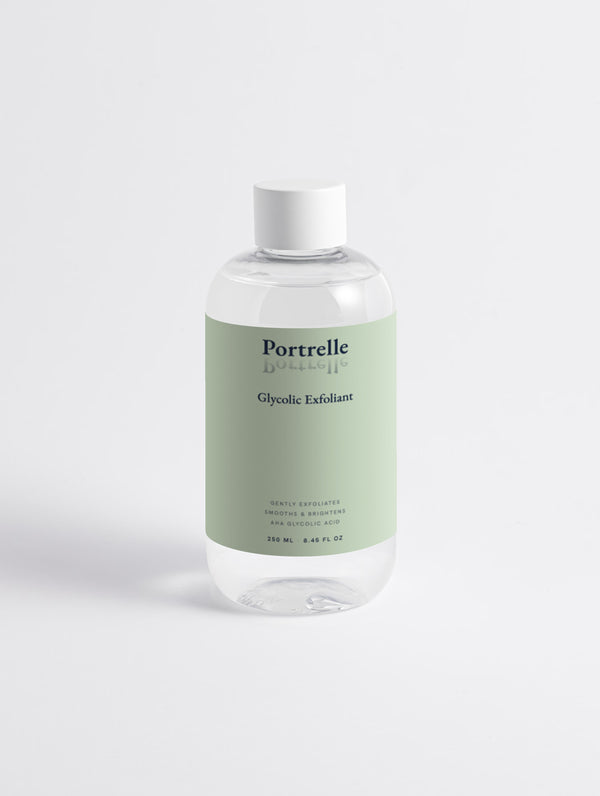
A smooth surface. Light reflects evenly off smooth skin, which is a big part of the glass effect. Gentle chemical exfoliation with an AHA like glycolic acid helps loosen dull surface cells, so skin feels softer and looks more refined. A couple of nights a week is plenty. Our Glycolic Exfoliant is the toning step we reach for here.
An even tone. Patchiness reads as texture, even when the skin is smooth. Niacinamide supports a more even-looking tone and a comfortable skin barrier over time. It is one of the calmest, most widely tolerated actives you can add to a routine. There is more in our note on what niacinamide actually does for your skin.
Daily SPF. This is the unglamorous one that matters most. Daylight, even through clouds and windows, is the fastest way to undo an even tone and a smooth surface. Wearing sunscreen every morning protects the look you are building, which is why we treat it as a real step and not an afterthought.
Glass skin is less a bottle you buy and more a surface you keep smooth and hydrated, week after week.
What does a simple glass skin routine look like?
You do not need ten steps. Here is a version with Portrelle that stays realistic on a normal weekday. The order matters, and if you want the reasoning behind it, see our guide to the right order for a skincare routine.
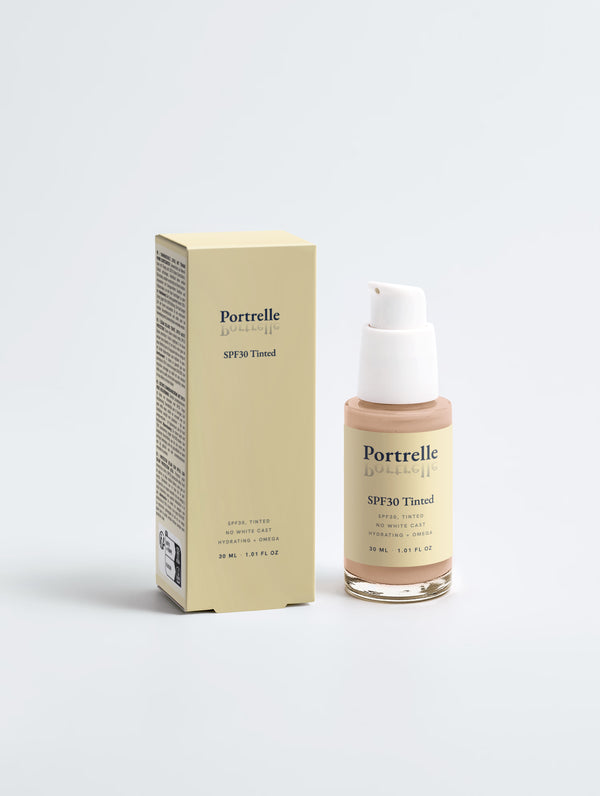
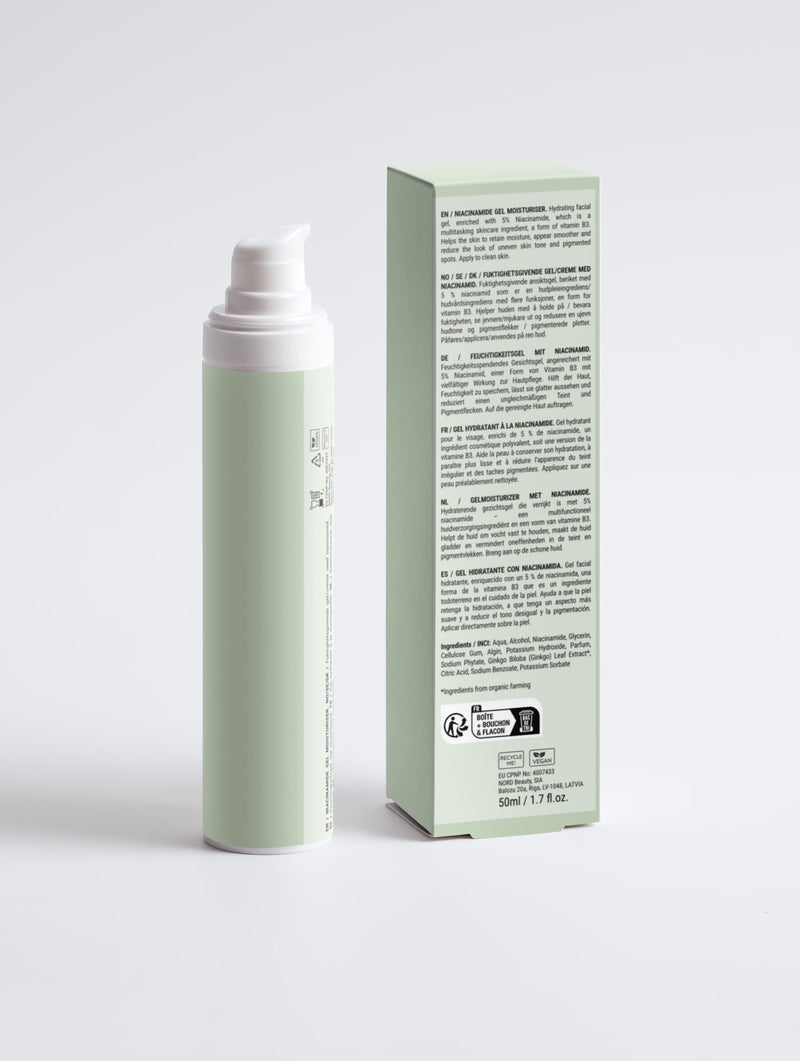
Morning: cleanse, then press a few drops of hyaluronic acid serum into damp skin. Follow with a niacinamide moisturiser, like our Niacinamide Gel, to support an even tone. Finish with sun protection. A tinted SPF such as our SPF30 Tinted doubles as light coverage, which is honestly where a lot of that flawless glass-skin look comes from in photos.

Evening: cleanse, use your glycolic exfoliant two or three nights a week rather than every night, then hydrate and moisturise. On the nights you exfoliate, keep the rest simple and skip other strong actives.
How long until you see a difference?
Give it time. Surface smoothness and hydration can look better within a week or two, because that is mostly about water content and gentle exfoliation. A more even tone takes longer, usually several weeks of steady use, because that is your skin slowly turning over at its own pace. If you keep swapping products every few days, you never give any of them a chance to work. Pick a simple routine and stick with it. That, more than any single ingredient, is what separates skin that looks glass-like from skin that does not.
What should you skip?
Two things, mostly. The first is ten-step maximalism. Piling on essences, ampoules and endless layers rarely improves the result and often just irritates skin, which is the opposite of the calm, even look you want. More steps are not more glass.
The second is scrubbing hard for an instant glow. Grainy physical scrubs and daily acids can leave skin looking briefly bright and then tight, red and rough. Gentle and consistent beats aggressive and occasional every single time.
One honest note on ingredients. A lot of glass-skin tutorials lean on snail mucin or a stack of hydrating essences. We do not make those, and we are not going to pretend they are pointless: snail mucin is a well-liked hydrating, film-forming ingredient, and essences are simply light, water-based hydration layers. We just get to a similar place more simply, with a hyaluronic acid serum and a niacinamide gel doing the hydration and tone work. If you love your essence, keep it. You do not need one to build this look.
Is glass skin realistic for everyone?
Honestly, not in the literal, poreless sense, and no product can promise that. Pore size, natural texture and skin type are largely genetic, and the look you see online is helped along by lighting, angles and makeup. What anyone can do is make their skin look more hydrated, calmer and more even, which is the part that is genuinely within reach.
Some things are also not a skincare project. If you are dealing with melasma, true scarring or a skin concern tied to medication or a health condition, that is a conversation for a doctor or dermatologist, not a toner. A glass-skin routine is for healthy skin that you simply want to look its best.
Experiences vary from person to person. This article is informational and is not medical advice. If you have a specific skin concern, please speak to a doctor or dermatologist.