A face mask is a supporting act, not the main event. It gives your skin a short, concentrated boost on top of a steady routine, and that is the whole job. Most masks earn a place in your week once or twice, never in place of daily cleansing, moisturising and sun protection.
Quick answers
What does a face mask do for your skin?
A mask delivers a concentrated dose of one thing for a short window: oil absorption from clay, or a hit of moisture from a hydrating formula. It supports the look of your skin for a day or two. It does not rebuild a routine on its own.
How often should you use a face mask per week?
For a clay mask, once or twice a week is plenty. More than that can leave skin feeling tight and stripped. Hydrating masks are gentler, so they feel fine more often, but your daily moisturiser still does the steady work.
How long should you leave a face mask on?
Around ten to fifteen minutes for clay. The mistake almost everyone makes is waiting until it cracks. Take it off when it is almost dry and still slightly tacky, not fully set into a shell.
How do you apply a face mask?
On clean, dry skin, spread a thin, even layer and skip the eye area. Leave it for the time on the pack, then rinse with lukewarm water and follow with your serum and moisturiser.
Can you make your own face mask at home?
You can, and it can be a pleasant ritual, but keep the expectations honest. Gentle kitchen ingredients like plain oats are fine for a nice moment. Harsh ones like lemon are acids without buffering and can irritate skin.
What does a face mask actually do?
Think of your routine as the meal and a mask as the seasoning. A clay mask draws out excess oil and helps the look of pores and blackheads. A hydrating mask gives skin a burst of moisture so it feels plump and soft for a while. Both are real and both are pleasant. Neither one is a shortcut past the daily basics.
This is where honesty matters. If your skin looks congested or your pores bother you, the mask is one small helper sitting on top of the work. The steady cleanser, the daily moisturiser and sun protection do the heavy lifting. We go deeper in our guides on what actually helps large pores and what actually works on blackheads, and a mask is a small paragraph in both stories, not the whole book.
Nobody masks their way past a bad routine.
Which type of face mask do you need?
There are three common types, and they do genuinely different jobs. Knowing which is which saves you money and disappointment.
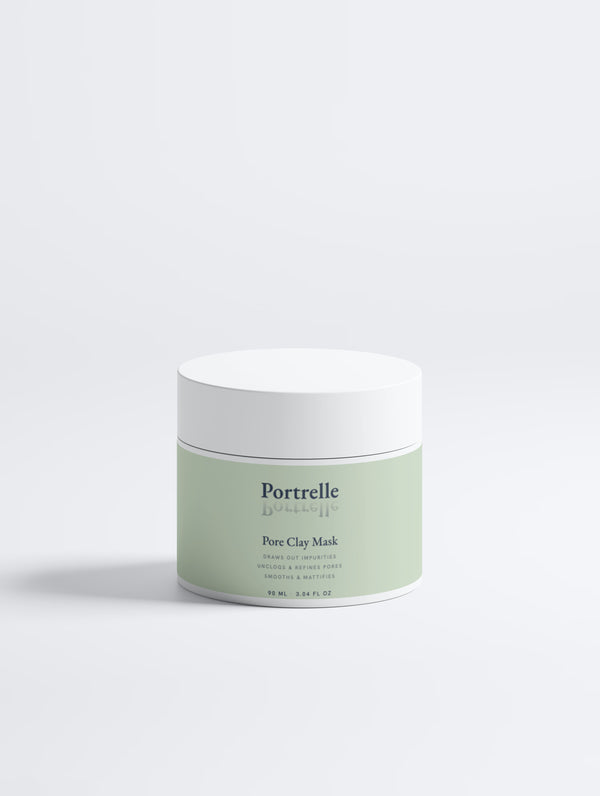
Clay masks absorb oil and help the look of pores. They suit oily and combination skin, and areas like the nose and chin where congestion tends to gather. This is the one mask Portrelle sells, because it earns its place in a routine rather than just feeling nice for an evening.
Hydrating and sheet masks give a moisture hit. Skin feels soft and looks fresh straight after. The effect is genuine and it is temporary, which is worth knowing before you buy a whole drawer of them.
Overnight masks are a thicker layer worn while you sleep to seal in hydration. They are essentially a richer moisturiser step, useful if your skin feels dry by morning.

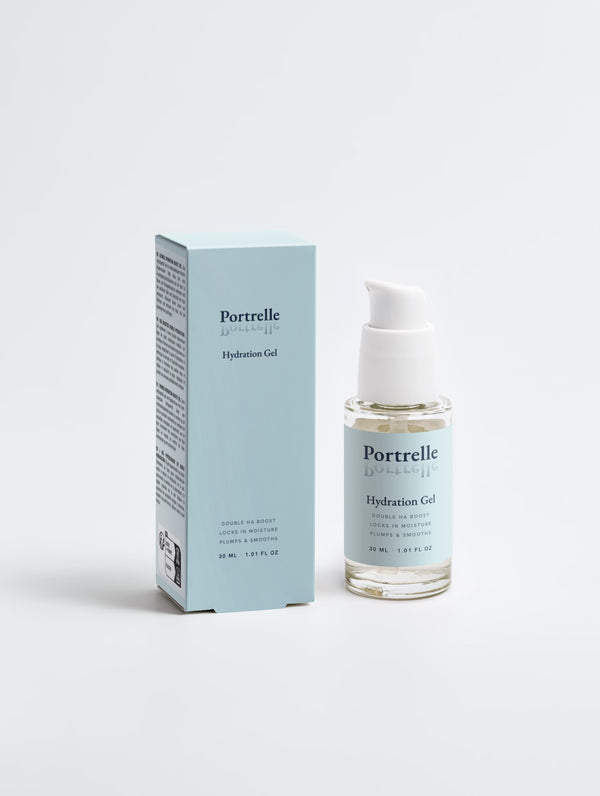
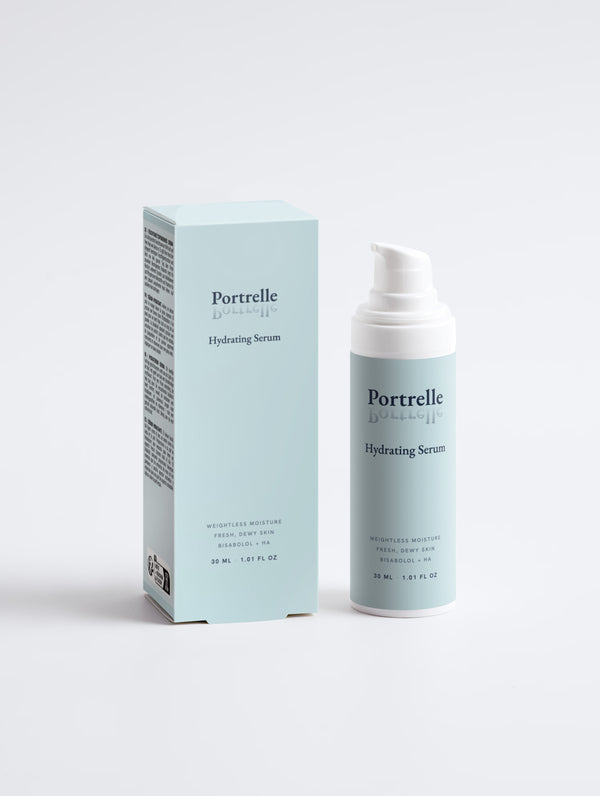
Here is the honest bit on hydration. Portrelle sells one mask, a clay mask, and that is a deliberate choice. If what you are after is a moisture boost, you do not need a separate hydrating mask at all. Layering a hyaluronic hydration gel under your usual cream gives you that plumped, comfortable feeling any day of the week, not only on mask night. A hyaluronic serum does the same job in the same spot. If dryness is your main concern, our guide on what helps dry facial skin is a better starting point than a shelf of single-use sheets.

How often should you use a clay mask?
Once or twice a week. Clay is good at pulling oil, and that is exactly why more is not better. Overdo it and skin can feel tight, look dull, and produce more oil to compensate for what was stripped. If your skin runs dry, once a week or once a fortnight is plenty. Oilier skin can sit at the top of that range and stop there. There is no prize for masking more often, and your skin will tell you quickly if you have pushed it.
How long should you leave a clay mask on?
Ten to fifteen minutes, and here is the part people get wrong. A clay mask does not need to crack into a dry, flaking shell to have worked. Once it fully dries it can start drawing moisture from your skin instead of oil, which is what leaves that tight, papery feeling afterwards. Take it off while it is almost dry and still a little tacky to the touch. That is the sweet spot, and it is earlier than most people expect.
How do you apply and remove a clay mask?
Keep it simple.
- Start with clean, dry skin.
- Spread a thin, even layer over oilier areas, or your whole face, avoiding the eyes and lips.
- Leave it for ten to fifteen minutes, until it is almost dry.
- Rinse with lukewarm water, using soft circles to lift it off. A damp cloth helps.
- Follow straight away with your serum and moisturiser, because freshly cleaned skin likes to be topped up.
You can use the Pore Clay Mask on just your nose and chin if that is where congestion sits. A mask does not have to be a full-face event, and treating it as a targeted step often works better.
Should you make your own face mask at home?
Homemade masks are everywhere in search, and we understand the appeal of using what is already in the kitchen. Here is the honest take. A DIY mask can be a lovely ten minutes, but treat it as a moment, not a treatment. Gentle pantry ingredients like plain oats or a little plain yoghurt are soothing and low risk, and if the ritual relaxes you, that is a real benefit on its own.
The ones to skip are the acids. Lemon juice, vinegar and other kitchen acids are unbuffered, which is a plain way of saying nobody balanced them for skin. They can sting, redden, and leave skin more sensitive, especially before sun exposure. If you enjoy the ritual, keep it gentle and keep your expectations at pleasant, not results. For anything you actually want to change about your skin, a steady routine beats a bowl of citrus every time.
This article is for general information and is not medical advice. If a skin concern is persistent, painful, or changing, speak to a doctor, pharmacist or dermatologist.