Your skin type is simply how your skin behaves when you leave it alone: how much oil it makes across the day, how comfortable it feels, and how it reacts to products. In Dutch, the word huidtype actually points to two different things, and search results tend to mix them. One meaning is your sun type, how easily you burn or tan in daylight. The other is your care type: dry, oily, combination, or normal. This guide covers both, keeps them apart, and gives you a simple test you can do at home in about an hour.
Quick answers
What is my skin type?
It is the way your skin naturally behaves: oily, dry, combination, or normal, with sensitivity sitting on top as a modifier rather than a category of its own. You read it by watching how your skin looks and feels a while after cleansing, when nothing is on it.
How do I find out my skin type at home?
Cleanse gently, apply nothing, and wait 30 to 60 minutes. Then look and touch. Shine all over points to oily, shine only on the T-zone points to combination, tightness or flaking points to dry, and all-round comfort points to normal.
What is skin type 1, 2, 3, or 4?
Those numbers refer to the Fitzpatrick scale, a way of describing how your skin responds to sun on a range from 1 to 6. Lower numbers burn quickly and tan little. Higher numbers tan easily and burn rarely. It says nothing about whether your skin is dry or oily.
What is the most common skin type?
Combination skin is the one most people land on: an oilier T-zone with cheeks that feel normal or a little tight. If your forehead and nose shine while the rest stays calm, you are in good company.
Sun type or care type: which skin type do you mean?
Two honest definitions, because the same word is doing two jobs. Your sun type is about protection: how your skin reacts to ultraviolet light. Your care type is about routine: which cleanser and moisturiser suit you day to day. You have both at once. A pale complexion that burns fast can still be oily, and skin that tans deeply can still be dry. Work out which question you are really asking, then read the matching section below.
What are skin types 1 to 6?
The Fitzpatrick scale groups skin by its response to sunlight:
- Type 1: very fair, burns easily, rarely tans.
- Type 2: fair, burns easily, tans a little.
- Type 3: medium, sometimes burns, tans gradually.
- Type 4: olive, burns rarely, tans easily.
- Type 5: brown, very rarely burns, tans deeply.
- Type 6: deeply pigmented, almost never burns.
Here is the honest part: your sun type tells you how careful to be, not whether you can skip protection. SPF is a number that describes how much longer protected skin can resist visible reddening from UVB compared with bare skin, and every type benefits from daily sunscreen on exposed areas. Portrelle does not make an SPF, so we will point you to the habit rather than a product of ours. Pick a broad-spectrum sunscreen you like and wear it as the last step of your morning routine.
What are the care types: dry, oily, combination, and normal?
These four describe how your skin manages moisture and oil across a normal day.
- Oily: shine returns over the whole face, pores look more visible, makeup slides sooner.
- Dry: skin feels tight, looks dull or flaky, and can feel rough to the touch.
- Combination: an oily T-zone across the forehead, nose, and chin, with normal or dry cheeks. The most common pattern.
- Normal: comfortable most of the time, neither tight nor greasy, few surprises.
Sensitivity is a different thing. We treat it as an overlay, not a fifth type, because any of the four can also sting, flush, or react to fragrance and strong actives. You can be oily and sensitive, or dry and sensitive. If that sounds like you, our calmer routine for sensitive skin keeps things gentle.
What skin type do I have? The simple 60-minute test
This is the at-home version of what a facialist would eyeball. You need clean skin and a little patience.
- Cleanse gently in the evening and pat dry.
- Apply nothing. No moisturiser, no serum, no oil.
- Wait 30 to 60 minutes while your skin settles.
- Look in the mirror and lightly press a clean finger to your forehead, nose, and cheeks.
Now read the result:
- Shiny all over: oily.
- Shiny T-zone, normal or tight cheeks: combination.
- Tight or flaky everywhere: dry.
- Comfortable everywhere: normal.
- Stinging, redness, or flushing from products: add sensitive as a modifier.
Skin type is a starting point, not a label for life. Read your skin again when the seasons turn, and let it tell you what it needs.
Which routine fits my skin type?
Once you know your care type, the routine gets simple. The order stays the same for everyone, and only the moisturiser really changes. If you want the full sequence, our guide to the order of a skincare routine in five steps walks through it.
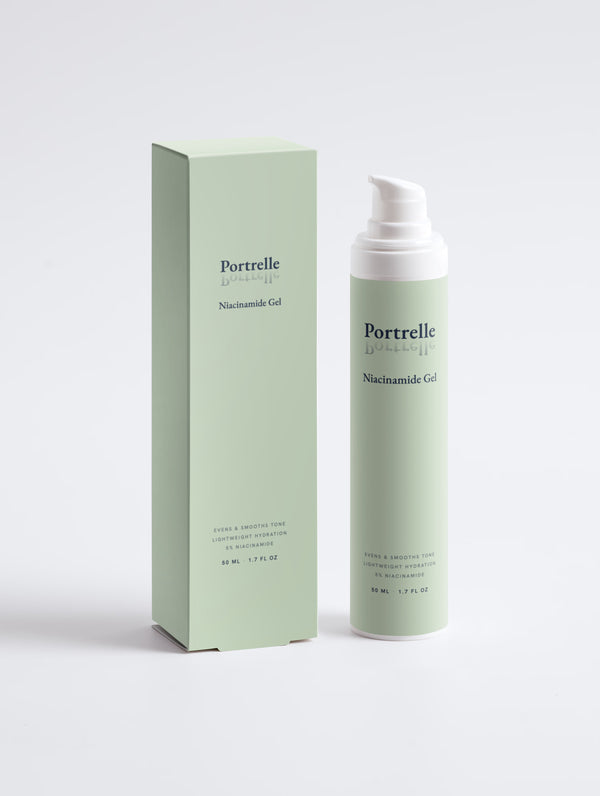
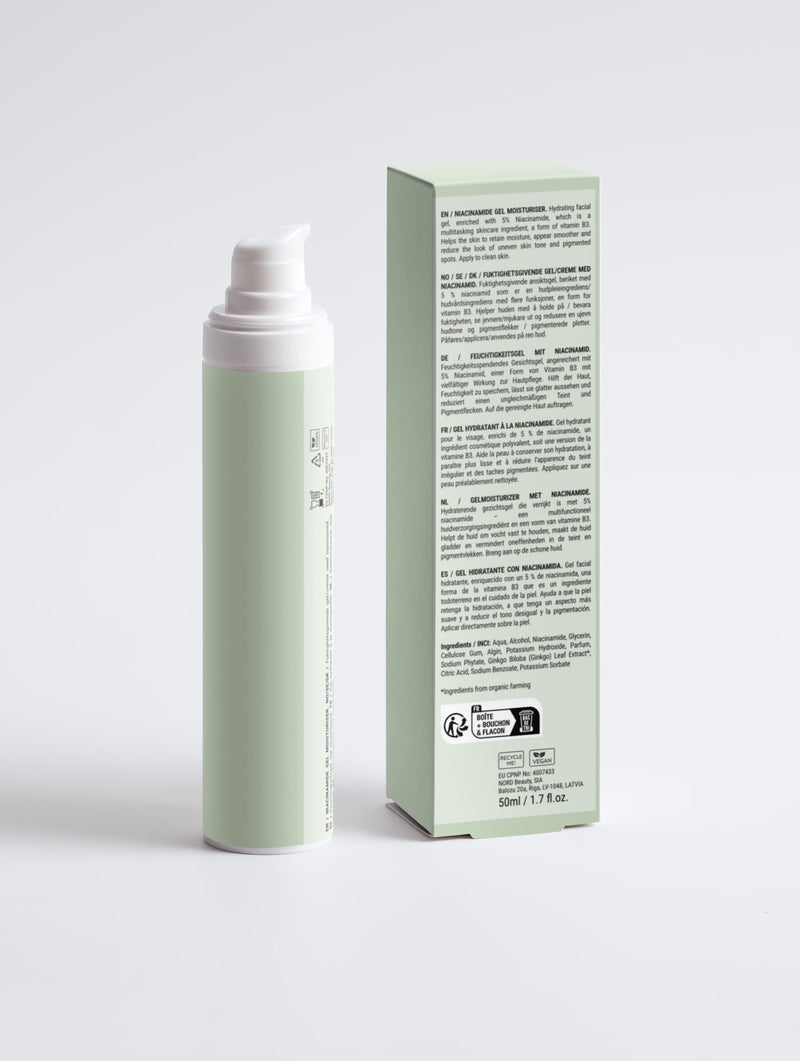
Oily skin. Hydration still matters, even when you shine. A light gel that helps with oil control gives your skin water without heaviness. Our Niacinamide Gel, a 5% niacinamide gel moisturiser, is built for exactly this, and our oily skin guide covers the rest.

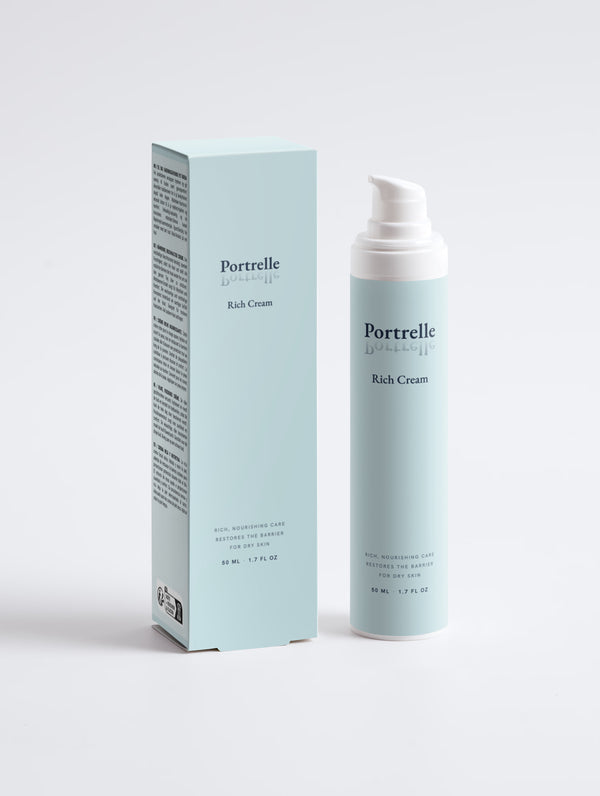
Dry skin. Reach for something richer that holds moisture in. Our fragrance-free Rich Cream is made for dry skin, and if tightness and flaking are a regular thing, read our take on what helps a dry face.

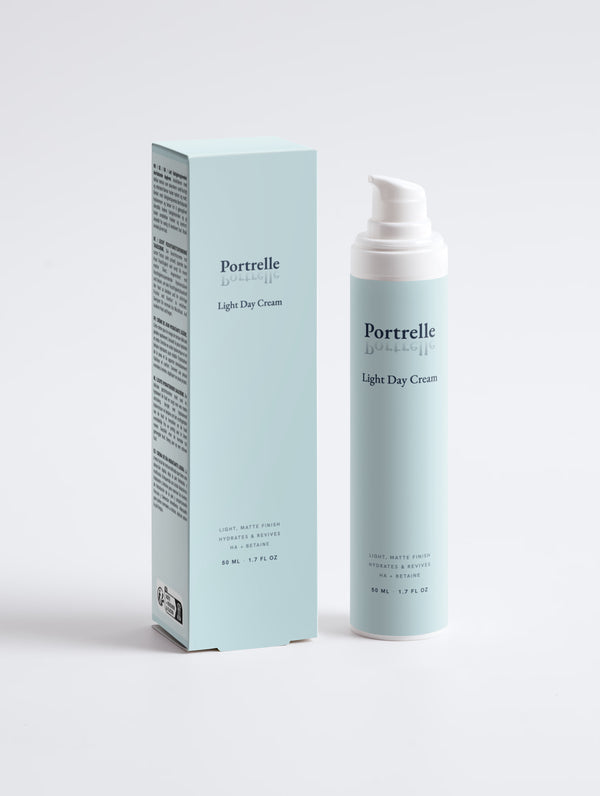
Combination and normal skin. A light day moisturiser suits both. Our Light Day Cream hydrates normal and combination skin without weighing down the T-zone.
Sensitive, on top of any of these. When your skin reacts easily, fewer ingredients and no added fragrance help. Our fragrance-free Soothing Moisturiser is made for sensitive skin.
Can my skin type change?
Yes, and that is normal. Skin shifts with the seasons, with hormones, with age, and with the climate you live in. Skin that runs oily in a humid summer can feel dry by midwinter. So treat your result as current, not permanent, and re-test now and then. Two more honest reminders: oily skin still needs hydration, and sensitive skin is not a life sentence. Keep the routine short and gentle, and it usually settles.
If reading your own skin feels fiddly, take the short way round. Our Find Your Ritual quiz asks three questions and builds a routine around your answers, so you can skip straight to what suits you.
This article is for general information about skin appearance and daily care, not medical advice. If your skin is painful, broken, or persistently irritated, or you are unsure about a condition, please speak to a doctor, pharmacist, or dermatologist.