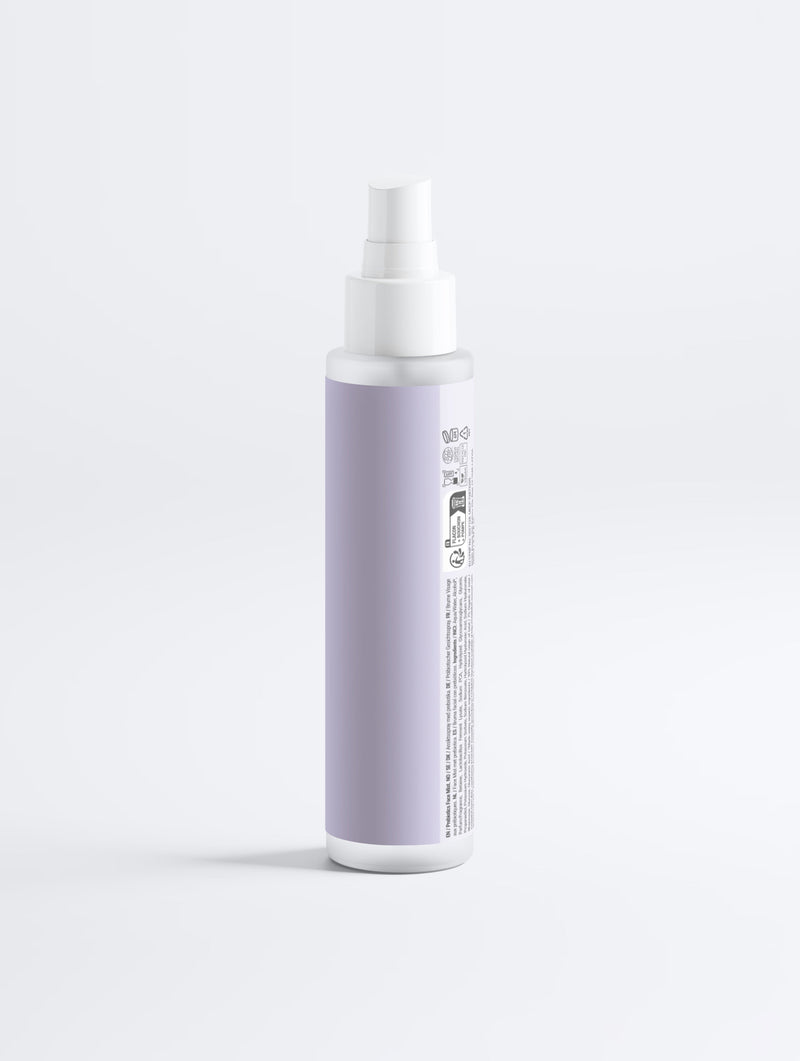
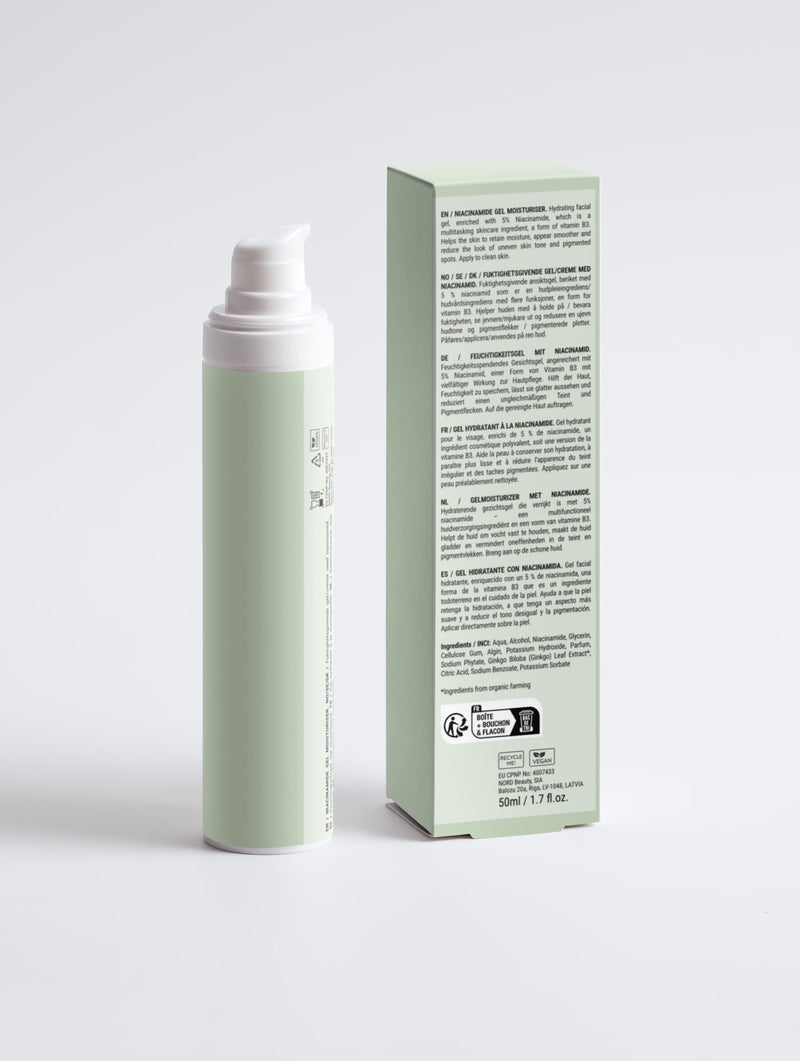
A face toner is a light, liquid step you use after cleansing and before your serum. Despite the old reputation, it is not there to strip your skin or "close pores". A modern face toner is a small treatment you pick for a reason: more hydration, help for blemish-prone skin, or gentle exfoliation. If none of those match your skin, you can skip it with a clear conscience.
This guide is about toner for your face, not hair toner or the printer kind that fills half the search results. Below you will find what a face toner actually does, and how to choose between the three we make.
Quick answers
What is a face toner?
A face toner is a water-based liquid you apply after cleansing. Older formulas leaned on alcohol and felt tight and drying. Today the word covers a wide range, from simple hydrating mists to targeted exfoliating liquids. The name tells you where it sits in the routine, not what is inside.
What does a face toner do?
It depends on the toner. A hydrating one adds a light layer of moisture. A purifying one supports skin that looks blemish-prone. An exfoliating one helps the look of smoother, brighter skin. The category is a job description, not a single product.
How do you apply toner to your face?
After cleansing, press a few drops into clean skin with your hands, or sweep it on with a cotton pad. Then follow with your serum and moisturiser. That is the whole method.
Do you need a face toner?
No. A toner is an optional step, not a required one. It earns its place only if it solves something for your skin, which is exactly how we would like you to treat it.
Is a face toner necessary, or can you skip it?
Here is the honest version. For years, toner was sold as the step that tightens pores and wipes off the last traces of cleanser. Pores do not open and close like doors, and a good cleanser rinses clean on its own. So the old reason to use a toner has quietly faded.
What replaced it is more useful. A modern toner is a thin treatment layer. You reach for one when you want a specific result, and you leave it on the shelf when you do not. If your skin is content with cleanser, serum and moisturiser, adding a toner will not fix anything that is not broken. For a full picture of where each step sits, see our guide to the order of a skincare routine.
So who actually benefits? People whose skin feels tight and dehydrated, people dealing with an oily, blemish-prone surface, and people who want a smoother, brighter look. Those are three different needs, which is why one toner cannot serve everyone. The rest of this guide sorts them out. If you do not see your skin in any of them, that is a perfectly good answer too.
A toner should earn its place in your routine. If it cannot, the best toner is no toner.
Which face toner suits your skin?
We make three, and each one is built for a different job. Pick the one that matches what your skin actually needs, not all three at once.
Hydrating Toner: for dry, normal or dehydrated skin
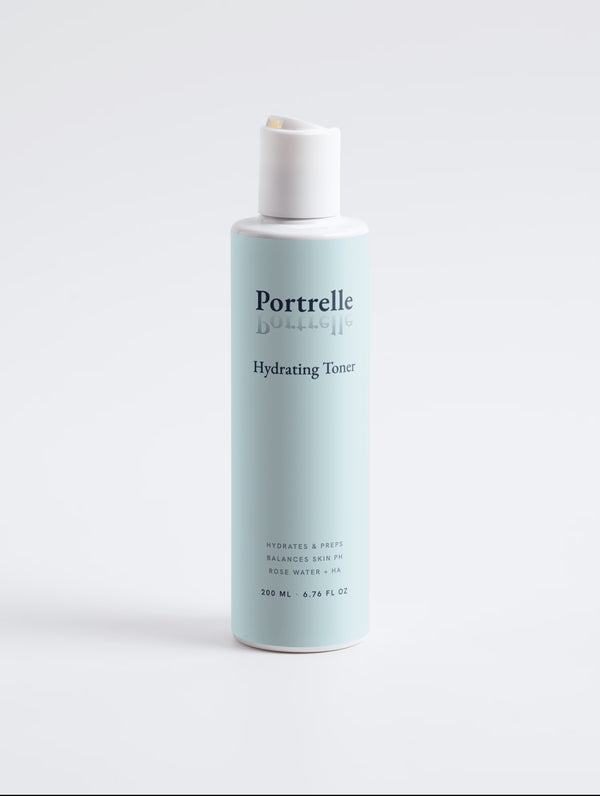
Our Hydrating Toner combines rose water and hyaluronic acid. It suits dry, normal or dehydrated skin, and it is gentle enough for daily use, morning and evening. Think of it as a drink of water before your serum: skin feels softer and looks fresher, without any tight or stripped feeling. If your main issue is that your skin feels thirsty, start here.
Purifying Toner: for oily and blemish-prone skin
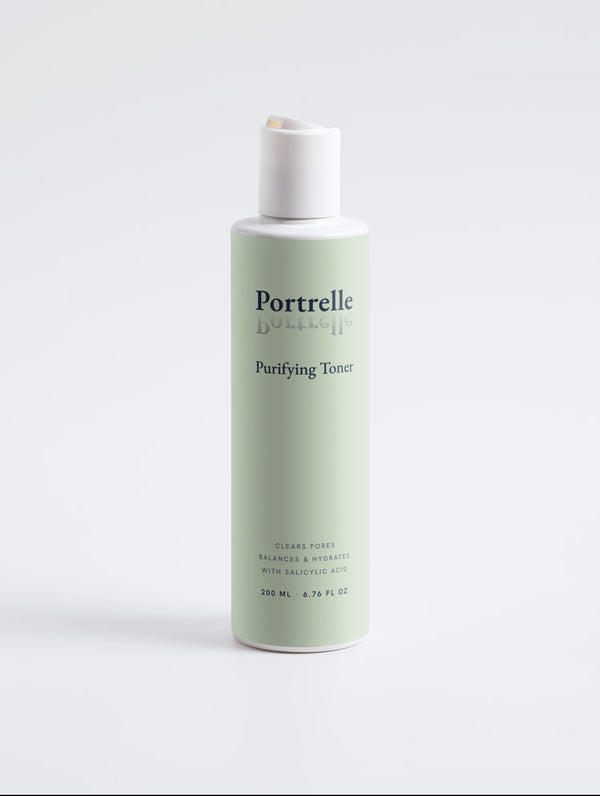
Our Purifying Toner is built around salicylic acid, the ingredient most often chosen for oily and blemish-prone skin. Salicylic acid is oil-soluble, so it works into the surface where congestion tends to sit, and it helps skin look clearer and more even over time. Start a few times a week rather than every day, and see how your skin responds before you use it more often. If you want the full background, we wrote a separate piece on salicylic acid.

Glycolic Exfoliant: for texture and glow
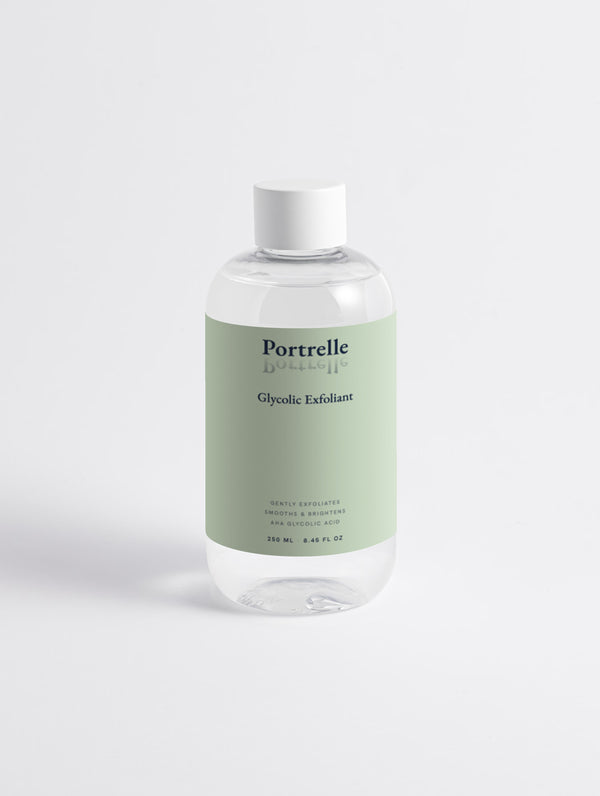
Our Glycolic Exfoliant is an AHA exfoliating toner. Glycolic acid works on the surface to loosen dull, dead skin, which helps the look of texture and glow. This is the one to treat with respect. Use it 2 to 3 times a week at most, never on the same day as another exfoliant, and always wear SPF the next morning, because freshly exfoliated skin is more sensitive to sun. If you are weighing up AHAs and BHAs, our acid guide explains the difference.

| Toner | Best for | How often |
|---|---|---|
| Hydrating Toner | Dry, normal or dehydrated skin | Daily, morning and evening |
| Purifying Toner | Oily, blemish-prone skin | Start a few times a week |
| Glycolic Exfoliant | Uneven texture, dullness | 2 to 3 times a week, at most |
How do you use a toner on your face?
The method is simple, and it is the same for all three. Cleanse first. While your skin is still slightly damp, apply the toner with clean hands or a cotton pad, sweeping outward and avoiding the eye area. Let it settle for a moment, then layer your serum, followed by moisturiser. In the morning, finish with SPF.
Hands or pad is your choice. Hands waste less product and feel gentler. A pad can help lift away the last of the day and gives an exfoliating toner an even sweep. Neither is wrong, so use whatever you will actually keep doing.
One toner at a time is plenty. If you own more than one, you do not layer them in a single sitting. A hydrating toner can run daily, an active toner slots in on its own nights. Give your skin a few weeks with one before you judge whether it suits you, since most changes in how skin looks and feels show up slowly rather than overnight.
What is the most common toner mistake?
The mistake we see most often is treating an exfoliating toner like a hydrating one. A glycolic toner is not a daily splash. Used every day, or stacked with another acid, it can leave skin looking red, feeling tight and more reactive than before. Match the frequency to the job: hydrating toner can be daily, purifying toner a few times a week, exfoliant 2 to 3 times a week at most. When in doubt, use less, not more.
If your skin is reacting, stinging or staying irritated, pause the actives and speak to a pharmacist or dermatologist before you carry on.
This article is for general information about skincare and is not medical advice. If you have a skin concern, please speak to a doctor, pharmacist or dermatologist.