Oily skin care works best when you stop trying to strip the oil away. Harsh cleansers and washing all day leave skin feeling tight, and skin often answers by looking even shinier a few hours later. The goal is balance, not squeaky-clean: gentle cleansing, real hydration, and a few ingredients that help the look of shine and pores.
Oil is not dirt. It is something your skin makes on purpose, and how much you make is mostly out of your hands. Below is what actually helps with oily skin, and what quietly makes things worse.
Quick answers
What causes oily skin?
Mostly genetics and hormones, with a little help from a warm, humid climate. Your oil glands are set by biology, not by how clean your face is. That is why scrubbing harder rarely calms shine, and often does the opposite.
How do I know if my skin is oily or combination?
Oily skin tends to look shiny across the whole face, cheeks included. Combination skin is oily in the T-zone, the forehead, nose and chin, while the cheeks stay normal or dry. Check where the shine sits by mid-afternoon.
Does oily skin still need moisturiser?
Yes. Skipping moisturiser can leave skin dehydrated, and dehydrated skin sometimes makes more oil to compensate. A light, oil-free gel gives water without a greasy feel, so there is no reason to go without.
How do I get rid of oily skin for good?
You do not remove oily skin, you manage it. With a gentle routine you can soften the look of shine and enlarged pores, but the skin type itself stays with you. Consistency beats intensity here.
How does oily skin develop?
Your skin has sebaceous glands that make sebum, the natural oil that keeps the surface soft and protected. Some people simply make more of it. The main drivers are genetics, hormones, which is why oiliness often peaks in your teens and can shift with your cycle or with stress, and climate. Heat and humidity nudge oil production up, which is why a Belgian summer can feel very different from a dry January indoors.
What does not cause oily skin: being dirty. Oil on the surface is not a hygiene problem, so treating it like one, with strong soaps and constant washing, tends to backfire. If shine also comes with regular breakouts, our guide to blemish-prone skin and what helps goes deeper on that combination.
How do you recognise oily skin versus combination skin?
A simple check works better than guessing. Wash in the morning, then look at bare skin in the early afternoon. If the whole face, cheeks included, looks shiny and feels slick, that points to oily skin. If only the T-zone shines while the cheeks feel comfortable or a little tight, that is combination skin. The difference matters, because combination skin usually wants lighter care on the cheeks and a bit more focus through the T-zone, while oily skin can take the same gentle approach all over.
What does a gentle oily-skin routine look like?
The whole plan is built to calm oil, not wage war on it. Keep it simple, and let it work over weeks rather than days.
Cleanse gently, twice a day at most
Morning and evening is plenty. Over-cleansing strips the surface, and stripped skin tends to rebound with more oil, not less. Pick a mild wash, and skip anything that leaves the tight, squeaky feeling behind. That feeling is not a sign of clean skin, it is your barrier asking for a break.
Add niacinamide for the look of shine and pores
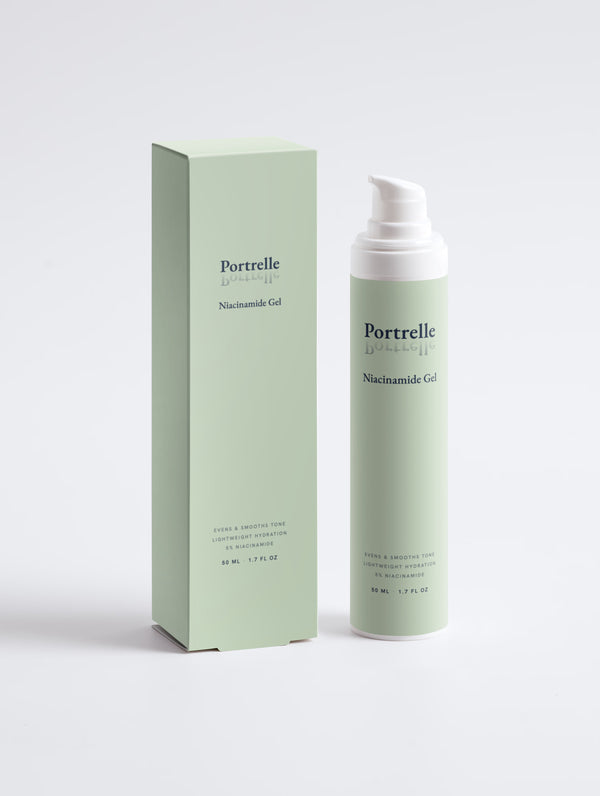
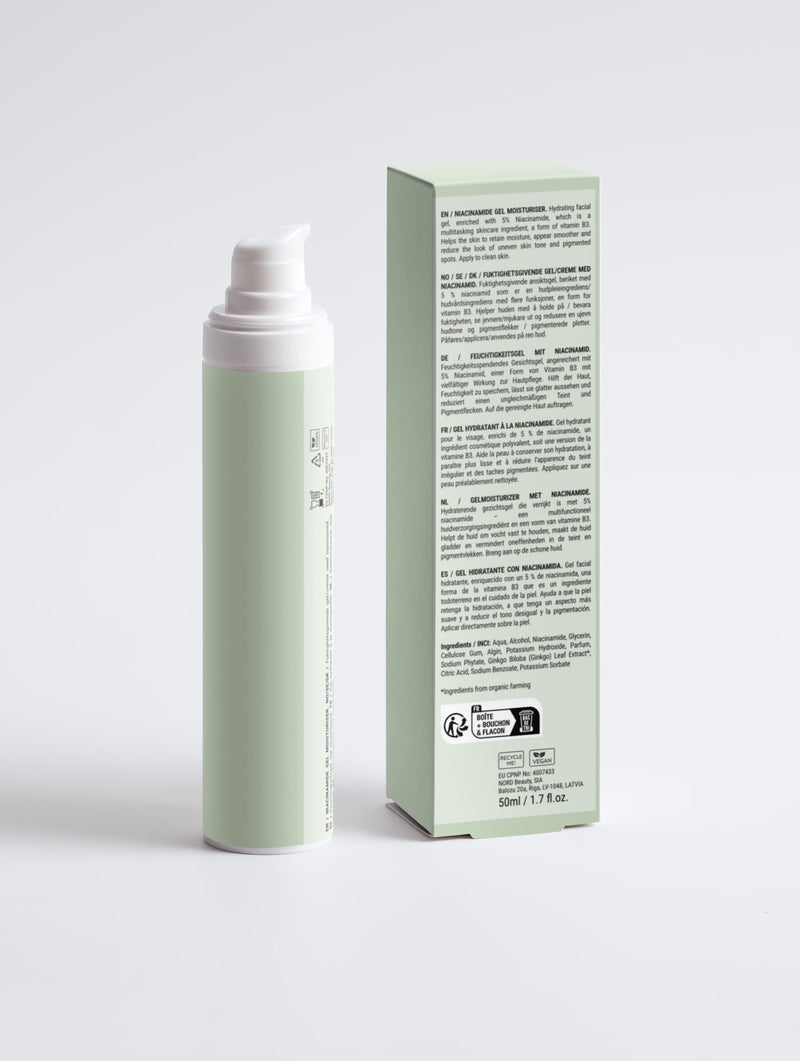
Niacinamide is a well-liked ingredient for oily skin because it can support a smoother, less shiny look and help the appearance of enlarged pores over time. Our Niacinamide Gel is a 5% gel moisturiser made for exactly this, and if you like to understand what you put on your skin, this piece on what niacinamide actually does breaks it down without the marketing gloss.

Hydrate with an oil-free gel
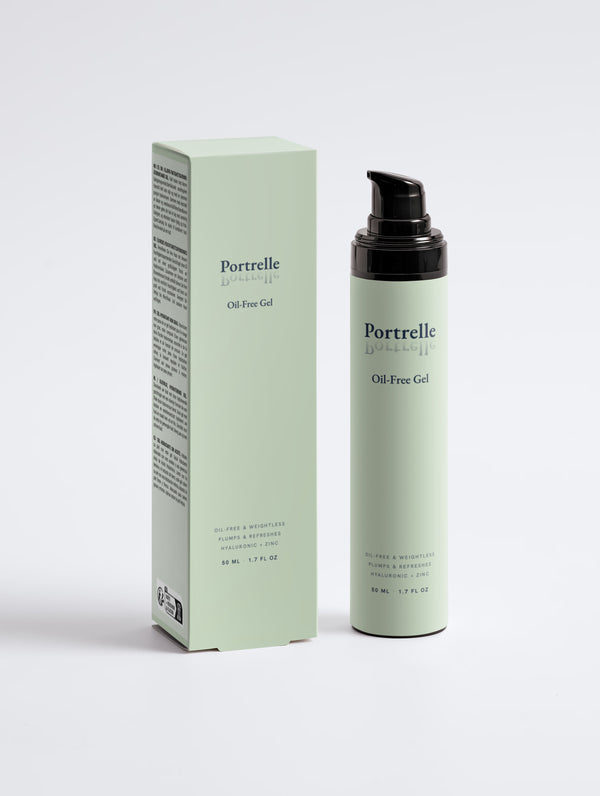
Here is the myth worth retiring: that oily skin should skip moisturiser. Water and oil are not the same thing. Oily skin can still be short on water, and leaving it dry only encourages more shine. A light, oil-free hydrating gel gives that water quickly and sinks in without a heavy, greasy layer sitting on top.

Use a salicylic toner a few times a week
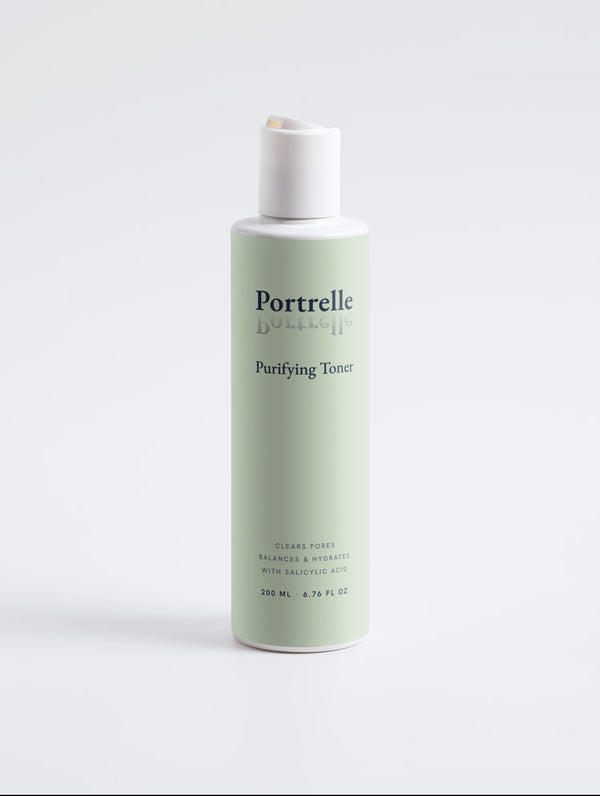
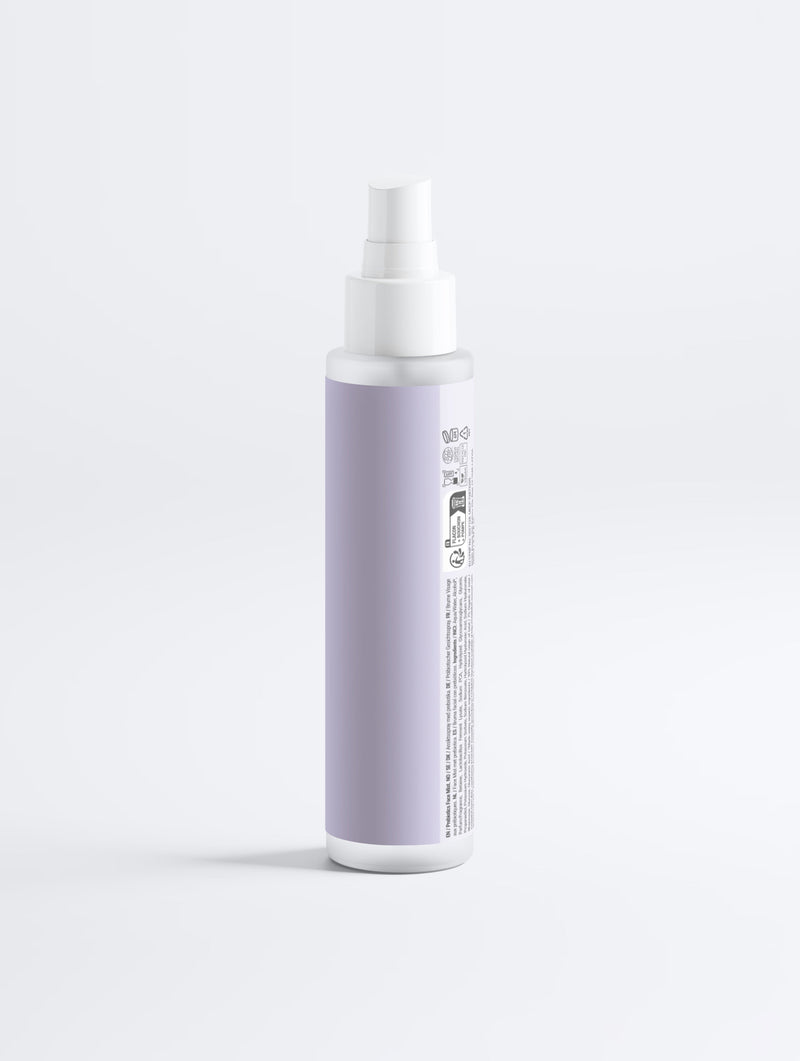
Salicylic acid is oil-soluble, so it can settle into pores and help keep them looking clearer. A couple of nights a week is usually enough, not every day, so you support the skin without overdoing it. Our Purifying Toner is built for that occasional, gentle step rather than a nightly strip. If blackheads are your main worry, this guide on what actually works for blackheads is a useful companion read.
Finish with a non-comedogenic SPF
Sunscreen stays on the list, oily skin included. Look for the words oil-free or non-comedogenic, which point to formulas that are less likely to feel greasy or clog. A light, matte-finish SPF sits well on its own or under makeup, and it protects the work the rest of your routine is doing all day.
Squeaky-clean is not the goal. Comfortable and balanced is.
Can skin be oily and dehydrated at the same time?
Yes, and it is more common than it sounds. This is the oily-but-dehydrated trap, what many people in Belgium search for as "peau grasse déshydratée": skin that looks shiny on the surface while feeling tight, rough, or dull underneath. It shows up a lot after harsh cleansers, too much exfoliation, or cold, dry indoor air. The shine can fool you into stripping even more, which only deepens the thirst and keeps the cycle going.
The fix is not less oil, it is more water and less stripping. Ease off the strong products, keep cleansing gentle, and lean on that oil-free hydrating gel. Because this mix-up catches so many people out, we wrote a full explainer on the difference between dry and dehydrated skin, which is the best next read if any of this sounds like you.
How do you get rid of oily skin?
Honestly, you do not, and that is not bad news. Oil is part of a healthy surface, and your skin type is largely set by genes and hormones. What you can change is how oily skin looks and feels day to day. Gentle cleansing, steady hydration, niacinamide, an occasional salicylic toner, and daily SPF add up to skin that feels calmer and looks less shiny, without the tight, stripped feeling that started the whole cycle in the first place.
If shine comes with painful or stubborn breakouts that will not settle, that is worth a conversation with a doctor or dermatologist rather than another new product on the shelf.
Read next
- Hormonal Acne: How to Recognise It and What Skincare Can Honestly Do
- What Is Sebum? Why Skin Makes Oil and How to Calm Overproduction
Experiences vary from person to person, and skin can behave differently over time. This article is informational and is not medical advice. For a skin concern that worries you, please speak to a doctor or dermatologist.