Day creams and night creams are not magic, and your skin cannot read the label on the jar. The honest difference comes down to texture and timing: a day cream is usually lighter so it absorbs fast and sits well under SPF and makeup, while a night cream tends to be richer and built to feel comfortable while you sleep. Whether you actually need both is a separate question, and for many people the answer is no. One good moisturiser can do both jobs.
Quick answers
What is the difference between a day cream and a night cream?
Mostly texture and, sometimes, the active ingredients. Day creams are typically light and fast-absorbing so they layer under sunscreen and makeup. Night creams are often richer and may include ingredients you would rather not wear in daylight, like some retinol alternatives.
Do you need both a day cream and a night cream?
Not always. If your skin is normal and your routine is simple, one moisturiser used morning and evening is completely fine. Two creams earn their place when your morning and evening goals genuinely differ.
Can you use day cream at night?
Usually, yes. A day cream at night is perfectly reasonable. The reverse can feel heavy or look shiny under makeup, so a rich night cream is not always the best choice for daytime.
What does a night cream actually do?
It supports a comfortable, nourished feel while your skin goes through its natural overnight rhythm. A richer texture helps skin feel supple by morning. It does not repair anything while you sleep in a medical sense.
What is the real difference between day and night cream?
Two things, really. The first is texture. A day cream is usually lighter and absorbs quickly, which matters because you are layering sunscreen and often makeup on top. A thick, greasy base makes that harder. A night cream can afford to be richer because nothing goes over it, so it often feels more cushioning and takes its time sinking in.
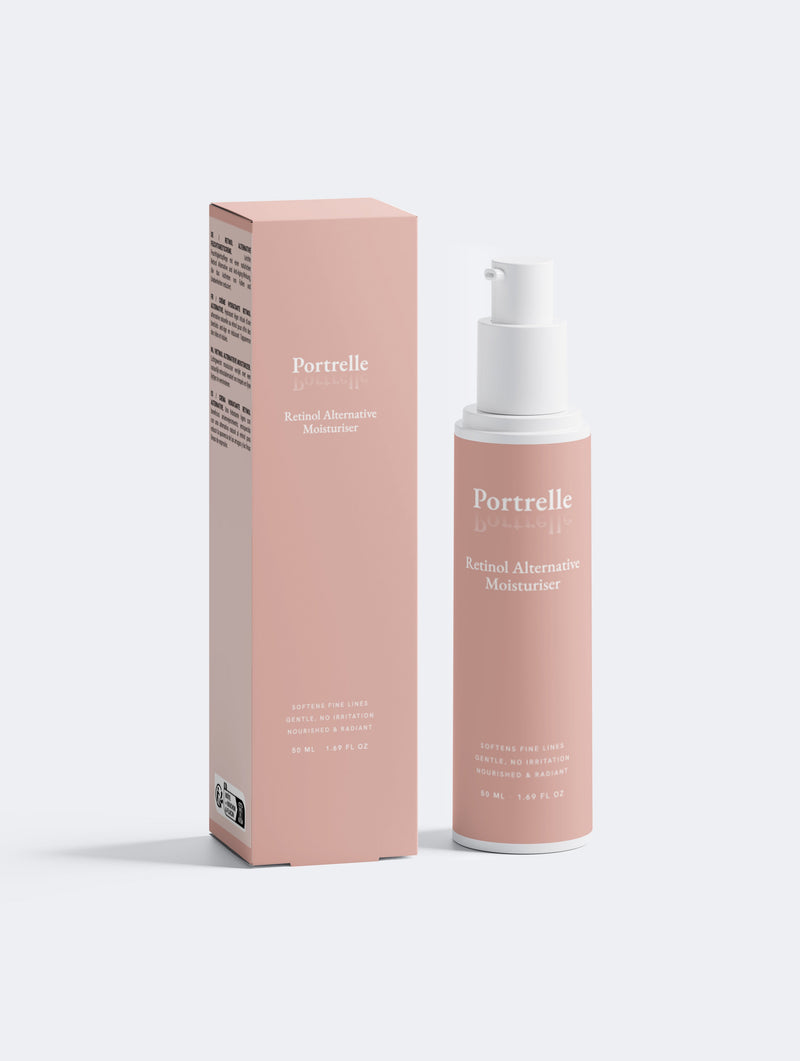
The second is the choice of actives. Some ingredients simply work better, or are more pleasant to use, in the evening. A gentle retinol alternative or a peptide blend is a common night-time choice. During the day, the priority is usually hydration and a smooth base for SPF. None of this forces two separate products on you. It is just that the ideal morning formula and the ideal evening formula are not always identical.

Can your skin really tell the time?
This is where the marketing gets ahead of the science. Skin does follow a daily rhythm, that part is true. But your skin cannot detect whether the jar in your hand says day or night. It responds to what is in the formula and to what you put on top, not to the word printed on the lid.
Your skin cannot read the label on the jar. It responds to the formula, not to the word on the lid.
So when a brand suggests a cream somehow knows it is bedtime, take it lightly. A good night cream is helpful because of its texture and ingredients, not because of any built-in clock.
What does a night cream actually do, and why use one?
A night cream supports the comfortable, nourished feel of your skin overnight. Because it can be richer, it is a good fit if your skin feels tight, looks dull by evening, or simply prefers more cushioning. This is also the moment many people reach for firmness-focused or barrier-supporting ingredients, since there is no sunscreen or makeup to layer over the top.
If your skin barrier feels compromised, ingredients like ceramides can help it feel more comfortable. We wrote a plain guide to what ceramides are and why they matter if you want the detail. And if your face feels dry and tight in general, our notes on what actually helps dry facial skin go further than one product can.

How important is a night cream, really?
Honestly, less important than the internet suggests. A night cream is a nice-to-have, not a must-have. What matters far more for how your skin looks and feels is consistency, a gentle cleanse, daily sunscreen, and a moisturiser you actually enjoy using. If a dedicated night cream helps you stick to your evening routine, that is a good enough reason to own one. If it does not, you are not missing out on anything essential.
Can you use day cream at night, or night cream in the day?
Using a day cream at night is usually fine. If your day moisturiser keeps your skin comfortable overnight, there is no rule against it. The reverse needs a little more thought. A rich night cream can feel heavy in the morning and may look shiny or pill under makeup, and it will not contain SPF. So during the day, reach for something lighter and always pair it with sun protection separately.
The order you apply everything matters more than day-versus-night labels. If you are unsure what goes where, our simple guide to routine order in five steps keeps it straightforward.
Do you need both? A simple way to decide
Match your morning goal to your evening goal. If they are the same, one cream is plenty. If they pull in different directions, two can be worth it.
| Your skin | Morning goal | Evening goal | One cream or two? |
|---|---|---|---|
| Normal, low-fuss | Light hydration under SPF | Light hydration again | One is plenty |
| Dry or dehydrated | Comfort under makeup | Richer, more cushioning | Two can help |
| Sensitive | Gentle, fragrance-free | Gentle, fragrance-free | One fragrance-free cream works |
| Firmness-focused | Hyaluronic under SPF | Richer, with evening actives | Two earns its place |
How do you apply a night cream?
Keep it simple. After cleansing and any serum, warm a small amount between your fingertips and press it gently over your face and neck. A pea to hazelnut-sized amount is usually enough. There is no need to tug or massage hard. Give it a minute to settle before your head hits the pillow.
Which Portrelle creams fit which job?
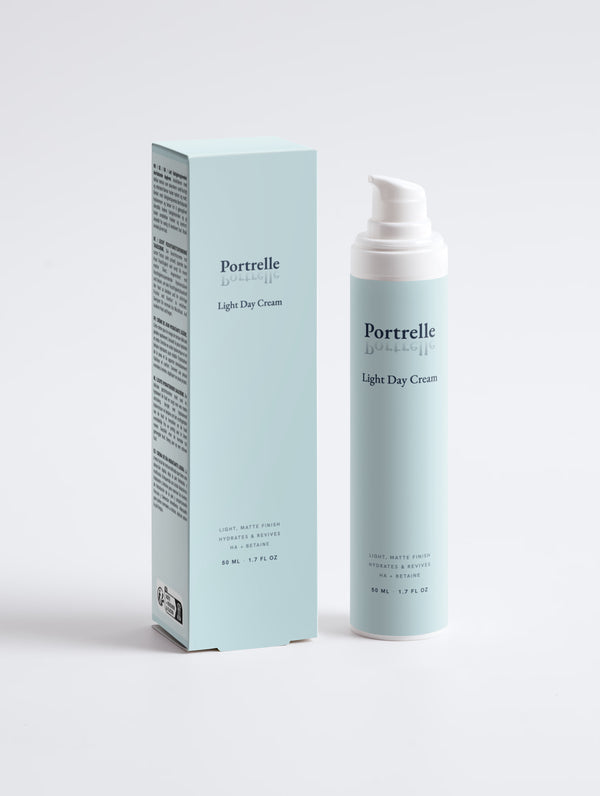
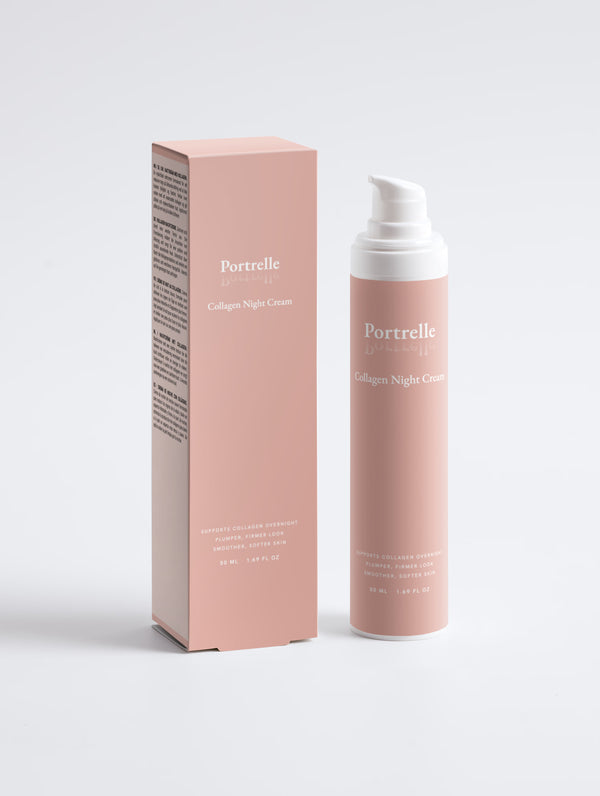
For daytime, a light option like our Light Day Cream absorbs quickly and sits well under SPF, while the Hydra Day Cream leans more hydrating and the Anti-Age Day Cream adds hyaluronic acid for the look of firmness. For the evening, the Collagen Night Cream from our Age & Firm line is a richer choice, the Barrier Cream pairs ceramides, hyaluronic acid and shea butter for skin that feels depleted, and the fragrance-free Soothing Night Cream suits sensitive skin. Pick by how your skin feels, not by how many jars a routine should have.
Experiences vary from person to person. This article is informational and not medical advice. For a persistent skin concern, please speak to a doctor, pharmacist or dermatologist.