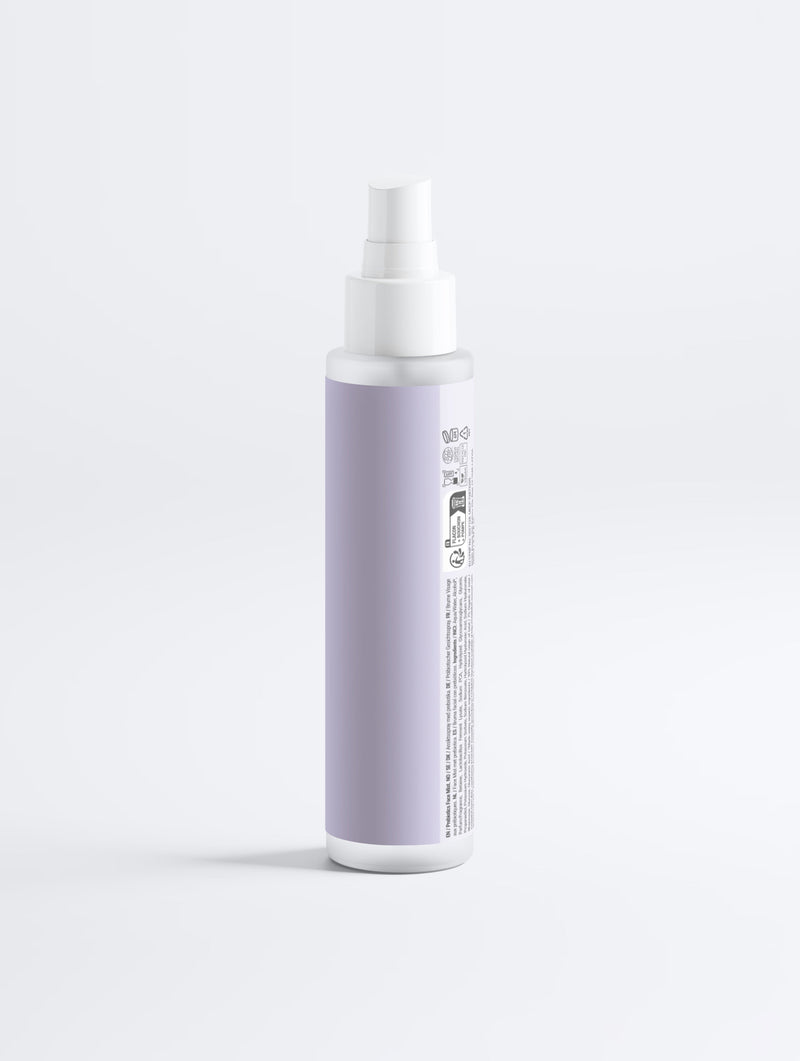
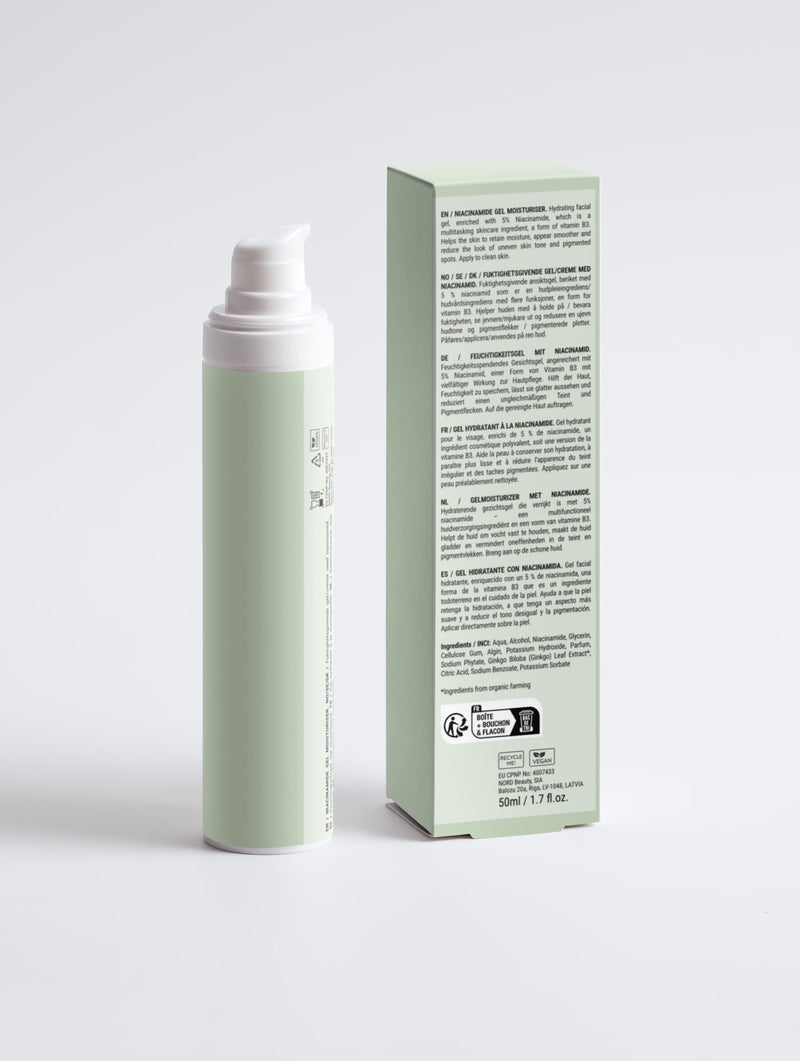
A face serum is a light, concentrated step that goes on after cleansing and sits under your moisturiser. It carries a concentrated dose of active ingredients, whether that is a hydrator, a brightener or a peptide. You do not automatically need one. A serum earns its place the moment you have a specific goal in mind.
One quick note before we go further. This guide is about face serums. Hair serums and lash serums are a different category, and none of the advice below is written for them.
Quick answers
What is a serum?
A serum is a thin, concentrated skincare step. It usually holds a higher dose of active ingredients than a moisturiser, in a lighter texture that absorbs quickly. Think of it as the targeted layer, with your moisturiser as the comfort layer on top.
How do you apply serum on your face?
Cleanse, apply toner if you use one, then press a few drops of serum into slightly damp skin. Follow with moisturiser, and with SPF in the morning. Your fingertips are all you need.
How often should you use a serum?
Most serums are fine once or twice a day. Some actives are best introduced slowly, so you build up over a couple of weeks rather than starting every day at once. When in doubt, less often is the safer start.
How long should you let a serum absorb?
About a minute. You are not waiting for it to disappear, only for it to stop feeling wet before the next layer. Rushing straight to moisturiser can leave everything sitting on top and pilling.
What is a face serum, really?
Picture your routine as layers, thinnest to thickest. A serum is one of the thinner ones. It is made to deliver a focused ingredient, then get out of the way so your moisturiser can seal things in. That is the whole idea: concentrated, light, and specific. If you want the full order of steps laid out, our guide to the order of a skincare routine walks through where each layer belongs.
A serum is not the same as a moisturiser, and it does not replace one. Most serums do not carry the richer, cushioning ingredients that keep skin comfortable through the day. They are the message, not the envelope.
Do you actually need a serum?
Here is the honest answer we would give a friend. No, not automatically. A gentle cleanser, a moisturiser and daily SPF already cover the basics for most people. A serum is the step you add when you have a goal that the basics do not reach on their own.
A serum is not a magic drop. It is a focused tool, and a tool only earns its place when it matches the job.
So the useful question is not whether you should own a serum. It is what you are actually trying to change. Once you can name the goal, the choice gets simple.
Which serum fits your goal?
Here is a plain map from goal to serum, using the ones we make. Pick the row that sounds like your skin, not all of them at once.
| Your goal | Reach for | Why it fits |
|---|---|---|
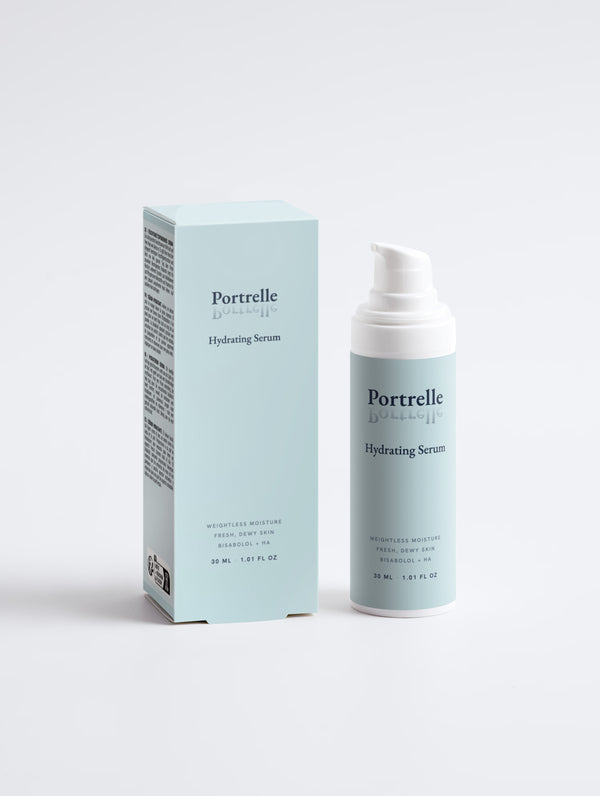
| Skin feels tight or dehydrated | Hydrating Serum, with hyaluronic acid | Helps skin hold on to water, so it feels plumper and more comfortable |
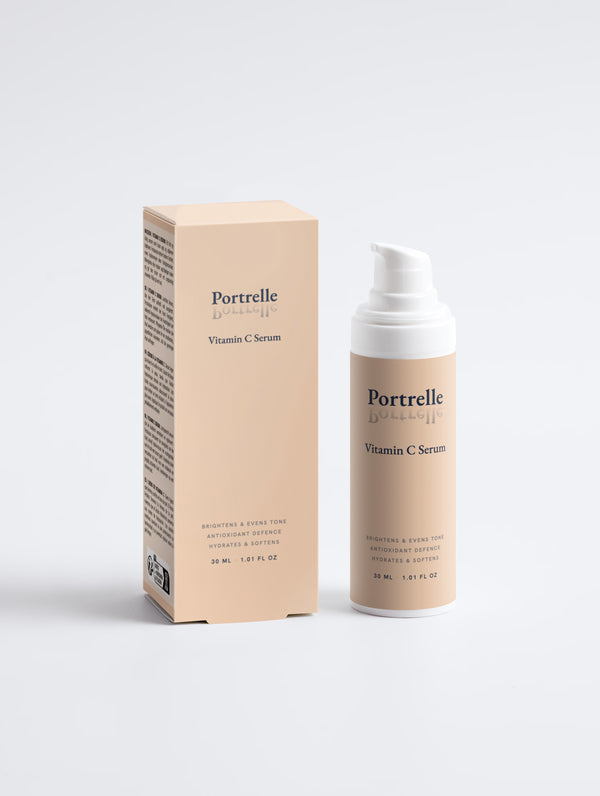
| You want more glow and a more even look | Vitamin C Serum | Supports a brighter, fresher-looking complexion |
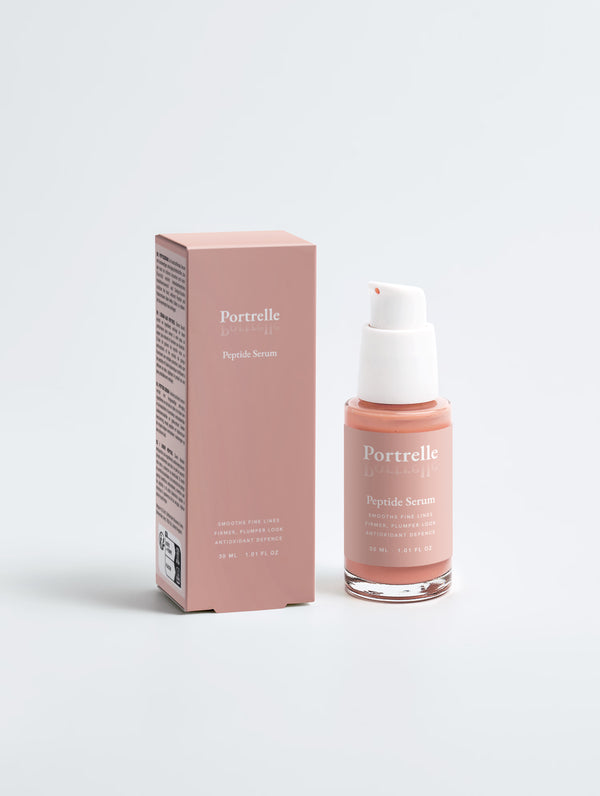
| You want skin to feel firmer | Peptide Serum | Made for the look of firmness |
| Your barrier feels sensitive or easily upset | Prebiotic Serum | A jelly serum with prebiotics and hyaluronic acid that supports a comfortable barrier feel |

If hydration is your goal, a Hydrating Serum with hyaluronic acid is the friendly place to start, and you can read more about how that ingredient behaves in our hyaluronic acid explainer. For a brighter, more even look, the Vitamin C Serum is the one, and the vitamin C guide covers how to fit it into a morning. When firmness is what you are after, the Peptide Serum is made for the look of firmness. And if your skin feels easily upset, the Prebiotic Serum, a jelly serum with prebiotics and hyaluronic acid, is built to support a comfortable barrier feel.
How do you apply a serum on your face?
The order matters more than the technique. Cleanse first. If you use a toner, that goes next, and our face toner guide explains why toner comes before serum, not after. Then a few drops of serum, pressed gently into slightly damp skin with your fingertips. Give it a minute to settle. Follow with moisturiser to seal it in, and never skip SPF in the morning.
A few drops really is enough. More serum does not do more. It just sits on the surface and can pill under the next layer.
How often should you use a serum?
For most serums, daily is normal: morning, evening, or both. A hydrating serum is gentle enough to use every day from the start. Some actives, though, are best introduced gradually, a few times a week to begin with, so your skin has room to get used to them. This is not about the serum being harsh. It is about being kind to your skin while it adjusts.
Consistency does more than intensity here. A serum used steadily over weeks tends to feel more comfortable, and be more pleasant to live with, than one you pile on and then abandon.
Can you layer two serums?
You can, within reason. Our honest rule is to keep it to two at most, or to alternate them, one in the morning and one at night. Stacking three or four serums does not multiply the benefit. It mostly multiplies the chance of irritation, and it makes it harder to tell what is actually helping.

If you do want two, pair a hydrator with your target active rather than two strong actives together. A hydrating or prebiotic serum sits happily under most things. When you are unsure whether two ingredients get along, it is fine to simply use one in the morning and the other in the evening, and let time do the rest.
This article is for general information and is not medical advice. If a skin concern is bothering you, or you are pregnant or breastfeeding, please speak to a doctor, pharmacist or dermatologist before changing your routine.