Breakouts happen when a pore gets blocked. Extra oil mixes with dead skin cells that do not shed cleanly, bacteria move in, and the area turns red and sore. What helps most is a calm, steady routine: cleanse gently so you do not strip the skin, use a targeted ingredient such as salicylic acid, and moisturise so skin stays balanced rather than reactive.
Why do I keep getting breakouts?
A spot starts inside the pore. Your skin makes an oil called sebum, and it normally travels up to the surface without any trouble. When dead skin cells build up and mix with that oil, they can plug the opening. Bacteria that live on everyone's skin then multiply inside the blocked pore, and the area becomes red, sore or raised. That is a blemish.
Several things nudge this along. Hormones raise oil production, which is why breakouts often follow a monthly pattern or arrive in the teenage years. Stress and broken sleep play a part too. Some make-up and skincare is comedogenic, meaning it tends to block pores, so a heavy cream can quietly feed the problem. And over-cleansing backfires. Scrubbing too often or with harsh products strips the skin, which can push oil glands to produce even more.
What actually helps with breakouts?
The short version is gentle and steady. Blemish-prone skin does better with a routine it can tolerate every day than with an aggressive one that leaves it tight and irritated. You want to clear the pore and calm the surface, while keeping the skin barrier comfortable so it is not overreacting. That is why the harsh, squeaky-clean approach so many of us grew up with tends to make things worse rather than better.

Calm, consistent care usually does more for blemish-prone skin than anything harsh or aggressive.
Which ingredients help blemish-prone skin?
A small toolkit does most of the work, and you do not need all of it at once.
- Salicylic acid is oil-soluble, so it can get inside the pore and help loosen the mix of oil and dead cells. It is the classic ingredient for congested, blemish-prone skin.
- Niacinamide (vitamin B3) helps skin look more even and feel more comfortable, and it supports a balanced surface.
- Zinc helps skin feel calmer and less reactive.
- Clay and charcoal draw excess oil from the surface, which is handy for an oily T-zone or the look of visible pores.
- Glycolic acid works on the surface to help skin look smoother and fresher over time.
One or two of these, used regularly, is plenty. Layering five actives at once usually just irritates the skin.
What is a simple routine for blemish-prone skin?
Here is a gentle order that will not strip your skin.

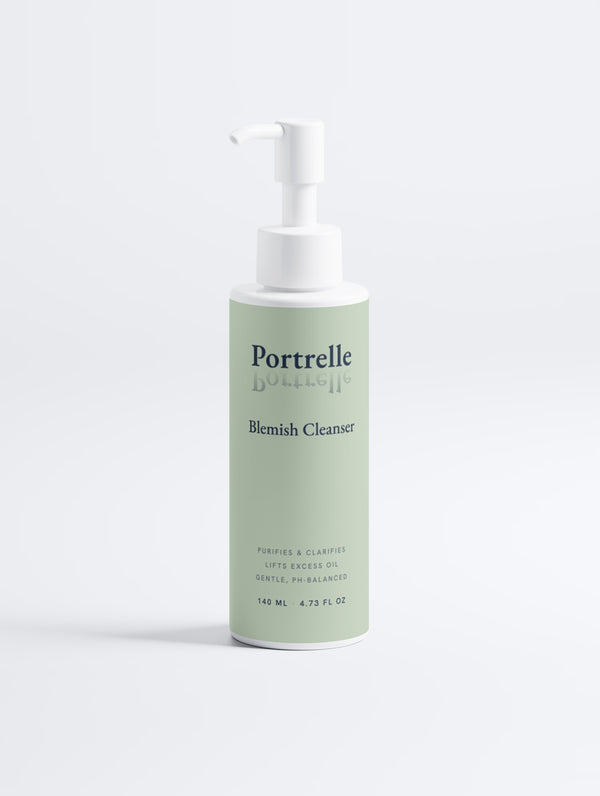
- Cleanse, morning and evening. Our Blemish Cleanser is a pH-balanced purifying wash, so it lifts away oil and grime without leaving skin tight.
- Tone, if you like an extra step. A purifying toner with salicylic acid, lavender water and cucumber refreshes the skin after cleansing.
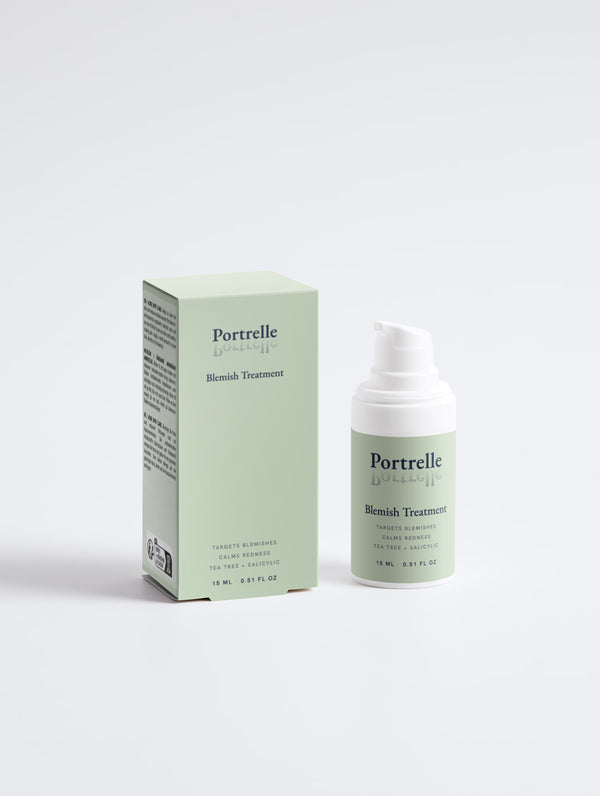
- Target individual spots. The Blemish Treatment is a targeted care with salicylic acid, tea tree and charcoal for the areas that need attention.
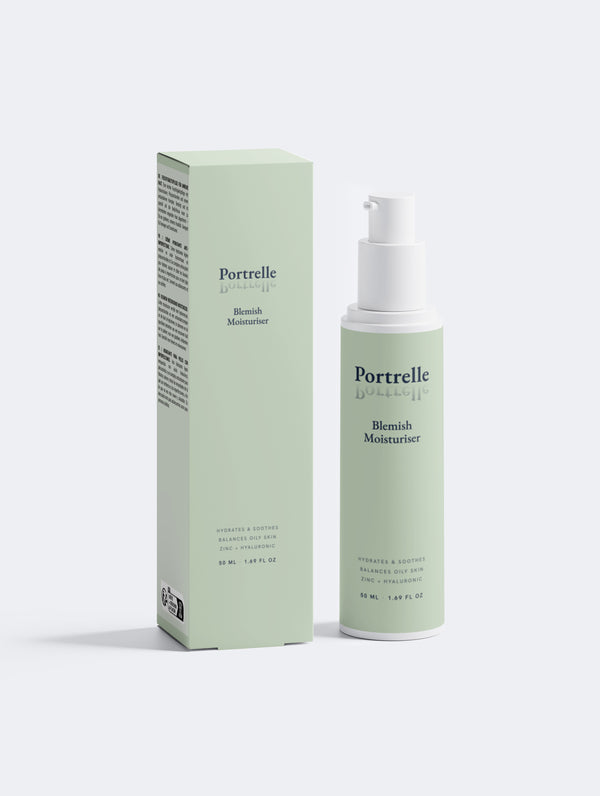
- Moisturise, every day. Even oily and blemish-prone skin needs it. The Blemish Moisturiser uses hyaluronic acid for lightweight hydration and zinc PCA to help skin feel balanced.
If you would rather not assemble the steps yourself, the Clear and Balance Routine brings the cleanser, treatment and moisturiser together in one set. Not sure where to begin? You can find your ritual and get a starting point matched to your skin.
What about oily skin and visible pores?
Oily skin often comes with blemishes, and it is not something to punish. Drying skin out tends to trigger more oil, not less. A weekly clay step can help here. Our Pore Clay Mask draws excess oil from the surface and leaves skin feeling fresh, which suits an oily T-zone or the look of enlarged pores. Once a week is usually enough, and there is no need to leave it on until it cracks.
Are teenage spots and adult blemishes different?
They share the same basic cause, but the triggers differ. Teenage breakouts are largely driven by the surge in hormones during puberty, and they often settle with a steady, gentle routine. Adult blemishes can be more stubborn and are often linked to hormones, stress or products, and they may show up around the jaw and chin. The approach is the same either way. Keep it gentle and be patient. Try not to switch products every few days, because skin needs time to respond.
Which mistakes make blemishes worse?
- Toothpaste on a spot. This is an old myth. Toothpaste is made for teeth, not skin, and it often stings and irritates. Use a proper targeted product instead.
- Squeezing. Popping a spot can push the contents deeper, spread bacteria and leave a mark that lingers long after the spot itself has gone.
- Harsh scrubbing. Grainy scrubs and rough flannels can inflame skin that is already sore. Gentle beats abrasive.
- Over-cleansing. Washing many times a day strips the barrier and can make oil worse, not better.
- Skipping moisturiser. Hydrated skin is calmer skin, so keep this step in even when your face feels oily.
When should you see a doctor about acne?
Skincare can help blemish-prone skin look and feel better, but it is not medicine. If your acne is persistent, severe, painful or leaving scars, or if it is not improving with a gentle routine, it is worth seeing a GP or a dermatologist. They can look at medical treatment options for acne that go beyond what any cosmetic can do. The same applies to a dark spot or mark that changes shape, colour or size. Have that checked by a doctor rather than treating it at home. There is no shame in asking for help, and getting the right support early can save a lot of frustration.
Quick answers
Why do I keep getting breakouts?
Pores get blocked with oil and dead skin cells, and bacteria multiply inside. Hormones, stress and pore-clogging products keep the cycle going.
What is the best thing for blemish-prone skin?
There is no single miracle product. A gentle daily routine with salicylic acid, plus a light moisturiser, tends to help skin look clearer over time.
Can I skip moisturiser if my skin is oily?
Better not to. Drying skin out can prompt more oil, so a lightweight moisturiser helps keep things balanced.
When should I see a doctor?
If breakouts are persistent, severe, painful or scarring, see a GP or dermatologist. They can offer medical options a cosmetic cannot.
Read next
- Acne Scars and Dark Marks: What Actually Helps
- Blackheads: What Actually Works (and What Makes Them Worse)
- Large Pores: What Actually Helps (and What Is a Myth)
- Oily Skin Care: How to Balance It Without Stripping
- Salicylic Acid (BHA): What It Does and How to Use It
- Hormonal Acne: How to Recognise It and What Skincare Can Honestly Do
- Tea Tree Oil for Skin: What It Does and How to Use It Safely
Experiential claims describe how skin looks and feels. Individual results vary.