Pore size is mostly set by your genes, and no product permanently shrinks pores. What you can do is make them look smaller: keep them clear, smooth the skin around them, and protect the collagen that keeps their edges firm with daily SPF. And the two most searched fixes, steaming to open pores and splashing cold water to close them, do not work the way people think.
That last part surprises a lot of people, so let us be honest about the whole subject. Pores do not have muscles. They do not open and close like little doors. Here is what genuinely helps, what only looks like it helps, and what to skip.
Quick answers
Can you really make pores smaller?
Not permanently. Pore size is largely genetic, and a toner cannot change your biology. You can make pores look clearly smaller by keeping them free of trapped oil and by improving the skin's surface around them.
What helps with large pores?
Four things: keeping pores clear with salicylic acid and clay, smoothing surface texture with glycolic acid, supporting oil balance with niacinamide, and daily sunscreen. Sun damage weakens the collagen around each pore over time, which makes pores look larger, so SPF is quietly one of the best pore habits there is.
Do pores open and close?
No. Pores have no muscles, so they cannot open or close. Steam softens oil and makes cleansing feel more comfortable, but it does not open anything. Cold water can make skin feel tighter for a moment, and that feeling fades. It does not shrink a pore.
Do pore strips get rid of large pores?
No. A pore strip pulls the top off a blackhead and lifts some surface debris, which feels very satisfying. The pore refills within days. Strips are a temporary tidy-up, not a fix, and rough use can irritate the skin around the pore.
What are pores, actually?
A pore is the small opening at the surface of a hair follicle. Most pores sit above a sebaceous gland that makes oil, or sebum. That oil travels up and out to the surface, which is completely normal and keeps skin from drying out.
Pores look larger for a few honest reasons. Genetics set your baseline. Oilier skin tends to show more, because extra sebum sits in the opening and stretches it slightly. When a pore fills with a mix of oil and dead skin, it looks wider and darker. And as we age, the collagen supporting each pore's rim loosens, so pores can look more open, especially on the cheeks and around the nose. If you want the fuller picture on oil, clogged pores, and breakouts, our guide to blemish-prone skin pulls it together in one place.

What actually helps large pores look smaller?
Think of it as four honest jobs rather than one miracle step.
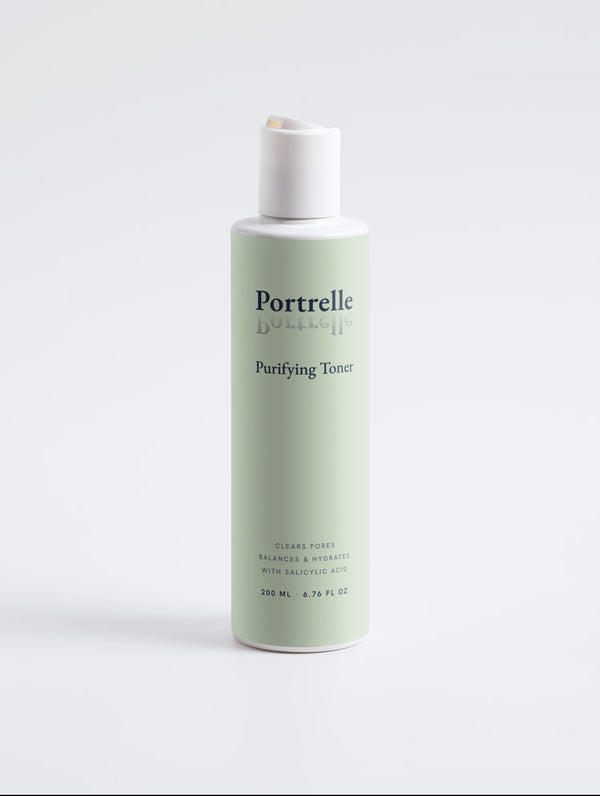
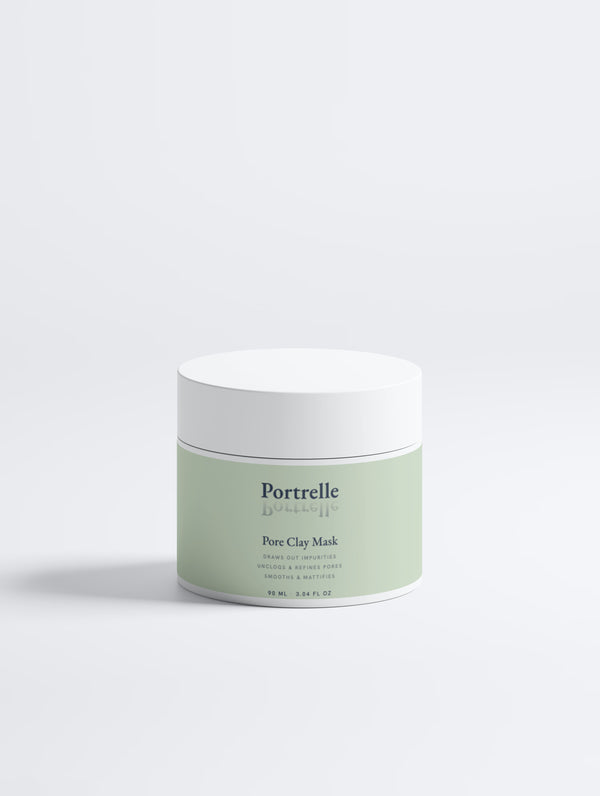
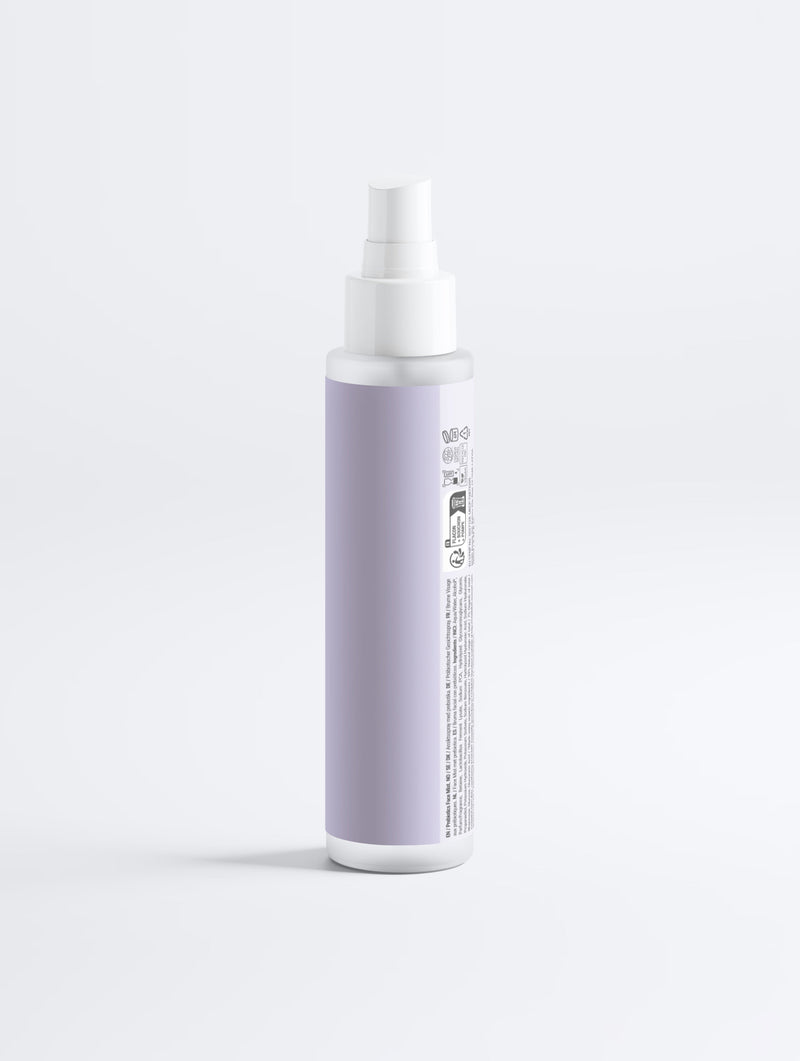
Keep pores clear. When oil and dead skin build up inside a pore, it looks wider and shadowed. Salicylic acid helps here, because it is oil-soluble and can work inside the pore rather than only on top. Our Purifying Toner uses salicylic acid for exactly this. A weekly clay mask does related work by helping absorb excess surface oil, which is what our Pore Clay Mask is built for. Skin tends to look smoother and more even straight after.
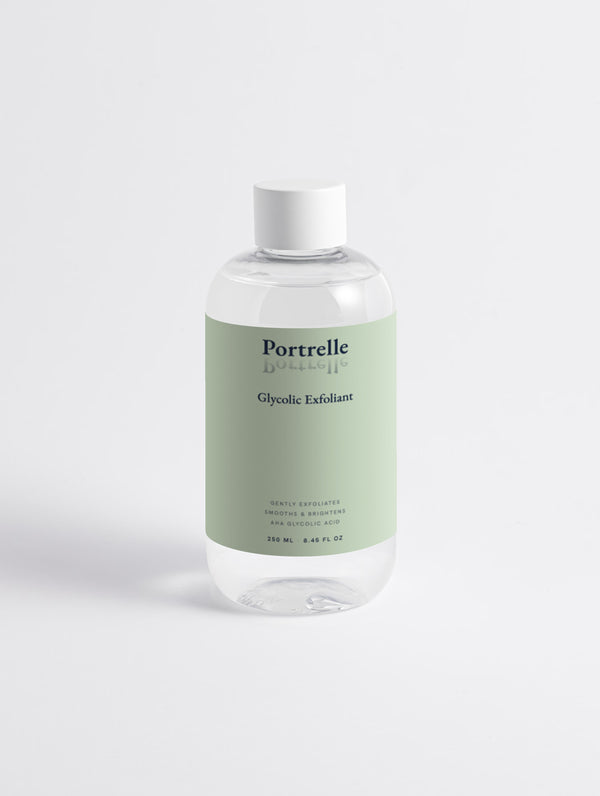
Smooth the surface around the pore. When the skin surface is rough or uneven, pores stand out more against it. Gentle exfoliation with glycolic acid, an AHA, refines that surface so light reflects more evenly and pores look less obvious. Our Glycolic Exfoliant does this, and if acids are new to you, read our glycolic acid guide first so you build up slowly.
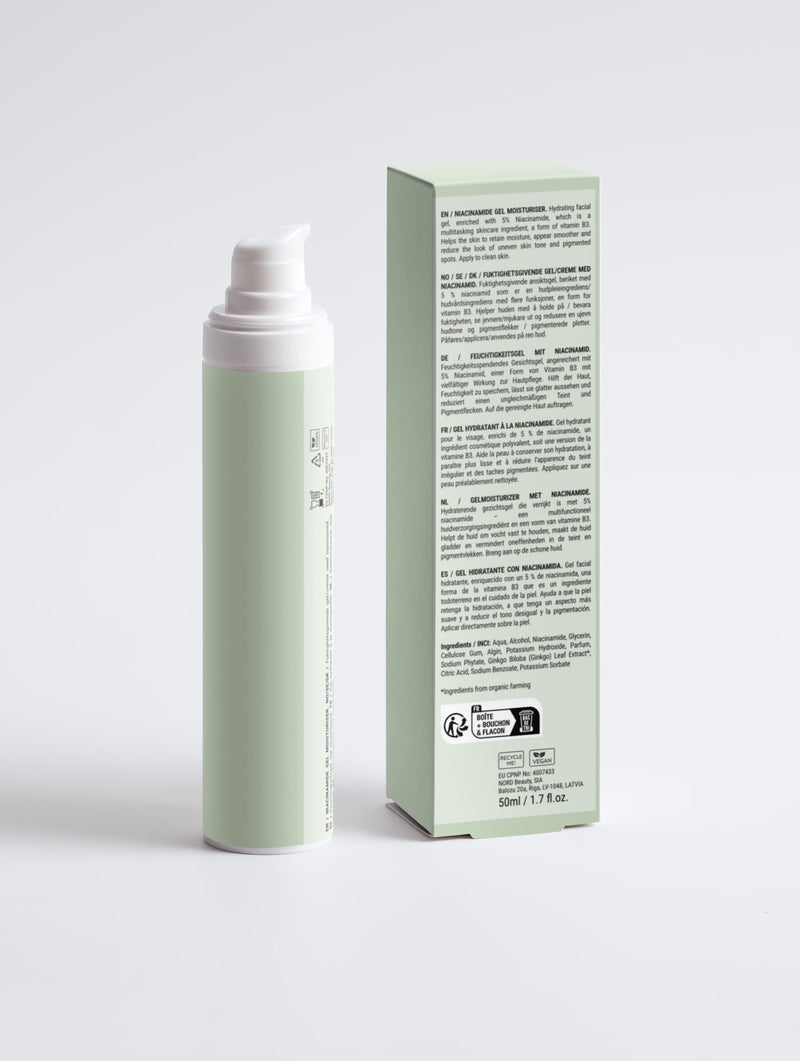
Support oil balance. Niacinamide is a well-liked ingredient for skin that turns shiny by midday, because it supports the skin's oil balance and helps the look of pores over time. Our Niacinamide Gel is a 5% gel moisturiser made for this. For the honest rundown of what it can and cannot do, we wrote a whole piece on what niacinamide actually does.
Protect collagen. This is the step most people skip. Sun exposure breaks down the collagen and elastin that keep the edge of each pore firm, and over the years that makes pores look larger. Daily SPF is the closest thing to a long-term pore habit, and it costs nothing extra once it is part of your morning.

You cannot shrink a pore for good, but you can absolutely change how much it shows. That difference is the whole point.
What does not help, and what to skip?
Some popular fixes feel productive and do very little. We would rather tell you than sell you.
Pore strips. Genuinely satisfying, genuinely temporary. They clear the very top of a pore and it refills within days. Use them for the small pleasure if you enjoy it, but do not expect lasting change. Portrelle does not make pore strips, and that is on purpose.
Hard scrubbing. Scrubbing with rough grains or a stiff brush does not empty pores, it irritates skin. Irritated skin can look redder and more textured, which makes pores more obvious, not less. Gentle beats aggressive every time, which is why we do not sell a gritty scrub.
Toothpaste and other kitchen hacks. Toothpaste is made for teeth, not facial skin. It can sting and upset the skin barrier, and it does nothing for pore size. Skip it.
Steam as a pore opener. Steam feels lovely and can make cleansing more comfortable, but it does not open pores or change their size. Enjoy it as a relaxing step, not a treatment.
How long until pores look smaller?
Be patient and realistic. Keeping pores clear can bring a fresher look within a week or two. Surface smoothing from regular gentle exfoliation shows over several weeks. The collagen-protecting benefit of SPF is a long game measured in years, which is exactly why it is worth starting today. Consistency does more than any single strong product.
A simple, honest routine looks like this: cleanse, use a salicylic acid or clay step to keep pores clear, exfoliate gently with glycolic a couple of times a week, apply niacinamide if your skin runs oily, moisturise, and finish every morning with SPF. That is the whole plan, and it is enough.
Read next
Skin is personal, and experiences vary from one person to another. This article is for information only and is not medical advice. For melasma, true scarring, or any change you are unsure about, please speak to a doctor or dermatologist.