After a breakout clears, what it leaves behind is not always a scar. Most of the time it is a flat mark, red or brown, that fades on its own with time and daily sun protection. A true scar is different: it is a change in the skin's texture, and no cream or serum can undo that. Knowing which one you are looking at is the whole thing, because it tells you what will actually help and what is a waste of money.
Quick answers
Do acne marks go away on their own?
Flat marks usually do. Red and purple marks fade over weeks to months, and brown marks fade too, though they take longer. Textural scars, the little pits and dents, do not fade on their own.
What helps against acne scars?
For flat brown marks, gentle chemical exfoliation, niacinamide, brightening actives like alpha-arbutin, and daily SPF can help the look over time. For true textural scars, the honest answer is a professional treatment, not a bottle.
Is the sun bad for acne marks?
Yes. Sun exposure makes brown marks darker and slower to fade. Daily sunscreen is the single most useful habit if you want post-acne marks to settle.
How do you get rid of acne marks faster?
You cannot rush skin much, but you can stop making it worse. Do not pick, stay consistent with a simple routine, and wear SPF every day. Consistency beats intensity here.
Acne scars vs dark marks: what is the difference?
People say "acne scars" for everything a breakout leaves behind, but there are really three different things, and they behave in three different ways.
Red or purple marks are what dermatologists call post-inflammatory erythema. They are the flat pink, red, or purple spots that sit where a pimple used to be. They are not scars. They are your skin still calming down.
Brown marks are post-inflammatory hyperpigmentation, or PIH: flat tan, brown, or grey patches left by the same inflammation. Deeper skin tones are more prone to them. We wrote a full explainer on post-inflammatory hyperpigmentation if you want the detail.
Textural scars are the ones you can feel: small pits, rolling dips, and sharp-edged boxcar marks. Here the skin's structure itself has changed. This is the only group that is a scar in the true sense.
Red and purple marks: will they fade on their own?
Usually, yes. Post-inflammatory erythema tends to fade by itself over several weeks to a few months as the skin settles. Your job is mostly to stay out of the way. Be gentle, skip harsh scrubs, and protect the area from the sun so it does not linger. A calm, simple routine and daily sunscreen support the process better than anything aggressive. If redness stays put for many months without budging, that is worth a chat with a professional.
Brown marks: what helps the look of post-acne hyperpigmentation?
This is the group where skincare genuinely earns its place. Brown marks are pigment sitting in the skin, and a few well-chosen ingredients can help that pigment look more even over time. None of this is instant, and none of it removes anything. It helps the marks look softer and less obvious.
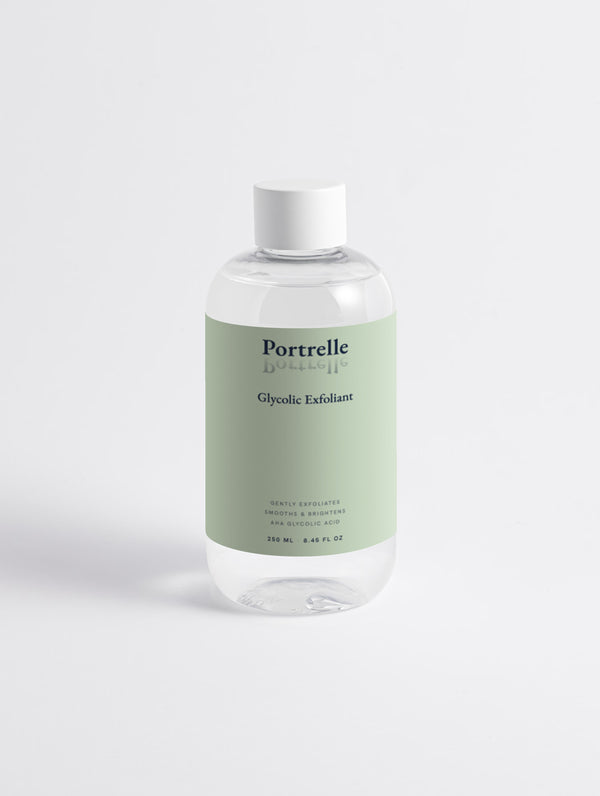
Gentle chemical exfoliation is the workhorse. An acid like glycolic, an AHA, encourages surface turnover so the look of pigmented cells fades a little faster. Our Glycolic Exfoliant is a low-key way to build this in a few nights a week. If you are new to acids, read our guide to AHAs and BHAs first so you use them at a sensible strength.

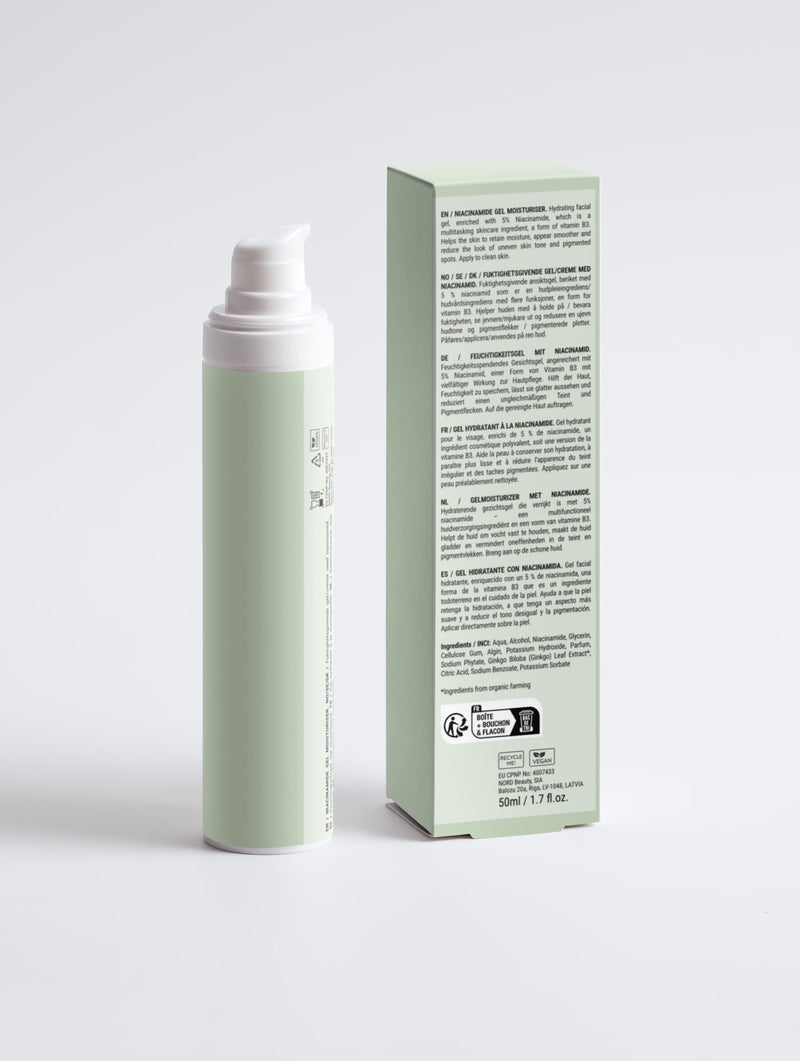
Niacinamide is gentle and well tolerated. It is a common pick for supporting a more even-looking tone, and it helps keep oil in check, which is welcome on blemish-prone skin. Our Niacinamide Gel keeps it simple in a light moisturiser.

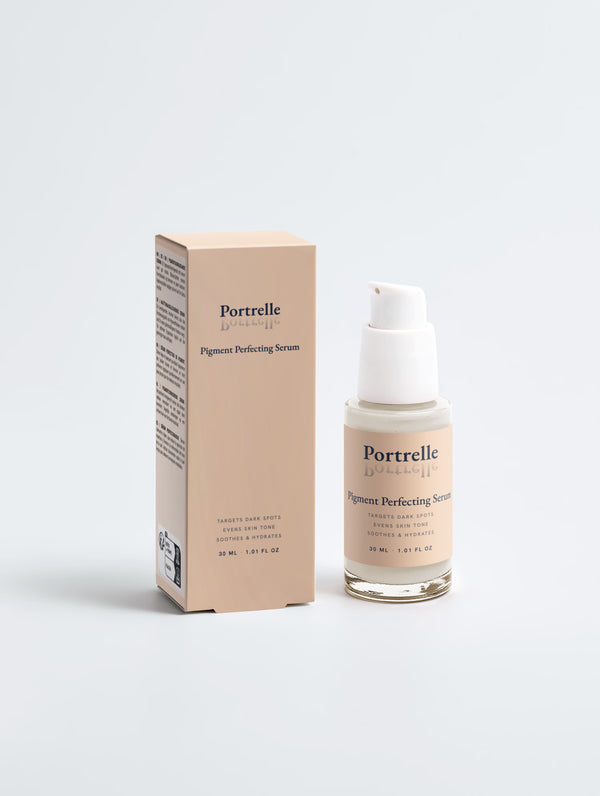
Alpha-arbutin is a brightening active that targets the look of dark spots specifically. Our Pigment Perfecting Serum is built around it for exactly this job.
And the quiet hero: daily SPF. Sun exposure drives pigment, so without sunscreen you are refilling the marks faster than any serum can help them fade. A mineral option like our SPF50 Sun Stick makes topping up over the day easy. If you only change one thing, make it this.
Textural scars: can skincare fill pits and boxcar scars?
Here we are going to be blunt, because honesty is more useful than a sale. No cream, serum, or toner changes true scar tissue. If the skin's surface is physically pitted or dented, that structure will not be rebuilt by anything you can buy on a skincare shelf, ours included. Products that promise to erase pitted scars are selling hope, not results.
A flat mark is a waiting game. A true scar is a professional's job, not a serum's.
What does help texture is in-clinic territory: treatments like microneedling, certain peels, and laser resurfacing, done by a dermatologist or a qualified skin therapist. They can improve how textural scars look, and a professional can tell you which approach fits your skin. There is no shame in booking that appointment. It is simply the right tool for the job. Skincare still has a supporting role, keeping skin healthy and protected, but it is support, not the fix.
How do you stop marks and scars forming in the first place?
Prevention really does beat treatment, and it is mostly unglamorous. The biggest one: do not squeeze or pick. Picking pushes inflammation deeper and is the fastest route from a temporary pimple to a lasting mark or scar. Treat breakouts gently while they are happening rather than attacking them. If you are dealing with regular breakouts along the jaw or forehead, our notes on breakouts on the chin and forehead and the wider guide to blemish-prone skin cover the calm-it-down approach. Fewer angry breakouts means fewer marks later.
How long until acne marks fade?
Longer than anyone wants. Red and purple marks often settle over a few weeks to a few months. Brown marks are slower, sometimes taking several months of consistent care, and deeper pigment can take longer still. There is no honest fixed date we can give you, because skin varies and so does the mark. What we can say is that consistency and daily sun protection do more than any single hero product. Keep it simple, keep it gentle, and give it time.
Experiences vary from person to person. This article is informational and is not medical advice. For scarring, melasma, or any skin concern tied to a medical condition or medication, please speak to a doctor or dermatologist.