Hormonal acne usually shows up low on the face: along the jawline, around the chin, and sometimes down the neck. The bumps tend to sit deeper, feel tender, and arrive on a schedule, often in the week before a period. Skincare cannot change your hormones, but it can honestly support how your skin looks and feels, and it can help soften the marks that linger once a breakout has calmed.
Here is the honest version, without the miracle talk.
Quick answers
How do you recognise hormonal acne?
Look at the location and the timing. Hormonal breakouts favour the lower face, the jaw and chin, and they often flare in a monthly pattern. The spots are frequently deeper and sore rather than small surface whiteheads.
How does hormonal acne develop?
Shifts in hormones can nudge the skin to make more oil and can make pores more likely to clog. That mix, oil plus congestion plus the bacteria that live on everyone's skin, is what tips a pore into an inflamed spot. It starts on the inside, which is why it can appear even with a careful routine.
Does hormonal acne go away on its own?
Sometimes it settles as your hormones settle, for example after a cycle or over time. Often it comes and goes in waves instead of clearing in a straight line. If it is persistent, painful or leaving scars, that is the moment to ask a professional rather than wait it out.
What helps against hormonal acne?
Gentle, consistent care helps the skin cope: a non-stripping cleanser, salicylic acid for congestion, niacinamide for oil balance and tone, and a light moisturiser for comfort. None of this changes your hormones. It supports the skin while the hormonal side is looked at where it actually lives.
How long does hormonal acne last after stopping the pill?
It can take a few months for skin to rebalance after coming off the pill, and a flare during that window is common. For many people it settles as the body finds its rhythm again. If it drags on or feels severe, a doctor can talk you through the options.
What does hormonal acne look like, and who gets it?
The classic pattern is breakouts along the jawline and chin, often deeper and more tender than the odd surface spot. They can feel like firm bumps under the skin rather than something ready to come to a head. Many people notice them flaring cyclically, in the days before a period, then easing again.
It is more common in adult women than in teenagers, which surprises people who thought acne was a phase they had left behind. It can also show up or shift around perimenopause and menopause, when hormones move again. If your breakouts sit more on the chin and forehead, our guide to breakouts on the chin and forehead looks at that pattern more closely, and the wider picture lives in our pillar on what helps blemish-prone skin.
How long does hormonal acne last after stopping the pill?
This is one of the most searched questions, and the honest answer is that it varies. Coming off the pill can change how much oil your skin makes, and it is common to see a flare in the first months while everything rebalances. For a lot of people this settles on its own as the body adjusts. There is no fixed timeline, so if it is still going strong after several months, or it is painful and scarring, that is a fair reason to speak to a GP or gynaecologist. Asking for help is not a failure. It is using the right tool for a job that skincare was never built to do.
What can skincare honestly do for hormonal acne?
Here is the part a lot of brands skip. Hormonal acne is driven from the inside, and no cream, serum or toner can change your hormones. Any product that promises to fix hormonal acne from a bottle is overselling. What good skincare can honestly do is support the look and comfort of the skin on the surface, and help fade what a breakout leaves behind.
Skincare cannot rewrite your hormones. It can make the skin sitting on top of them calmer, clearer to look at and more comfortable, and that is worth a lot.
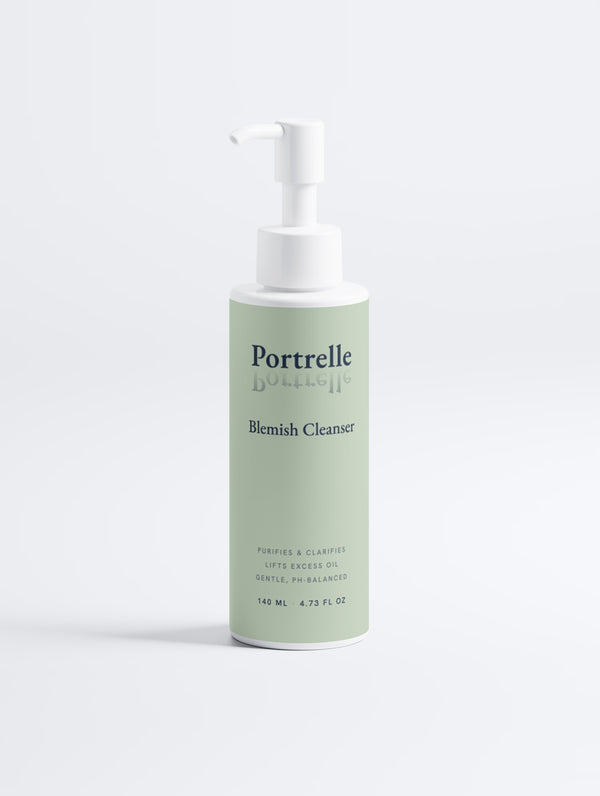
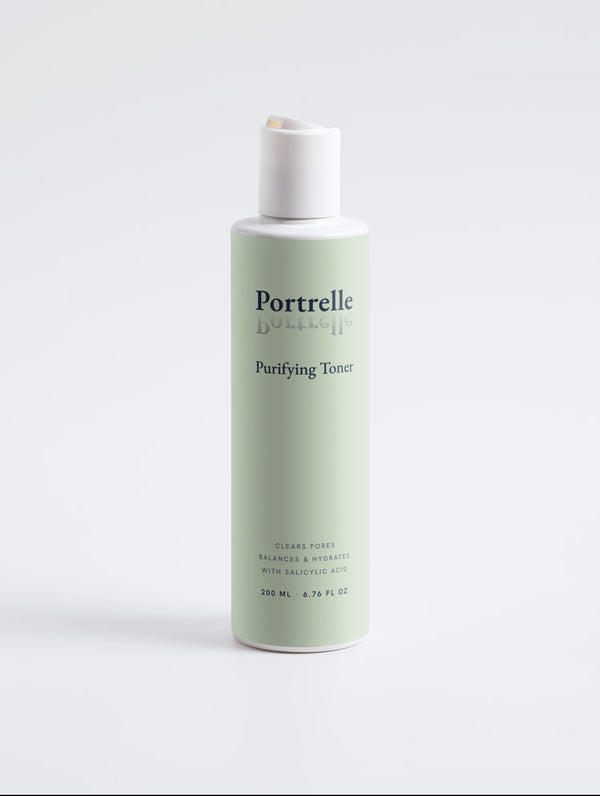
In practice that means keeping things gentle and consistent. Start with a non-stripping cleanser like our Blemish Cleanser, made for blemish-prone skin, so you lift away oil and grime without leaving skin tight and raw. A Purifying Toner with salicylic acid can help with congestion by working inside the pore, and if you want to understand that ingredient properly, we wrote a plain-language guide to salicylic acid.

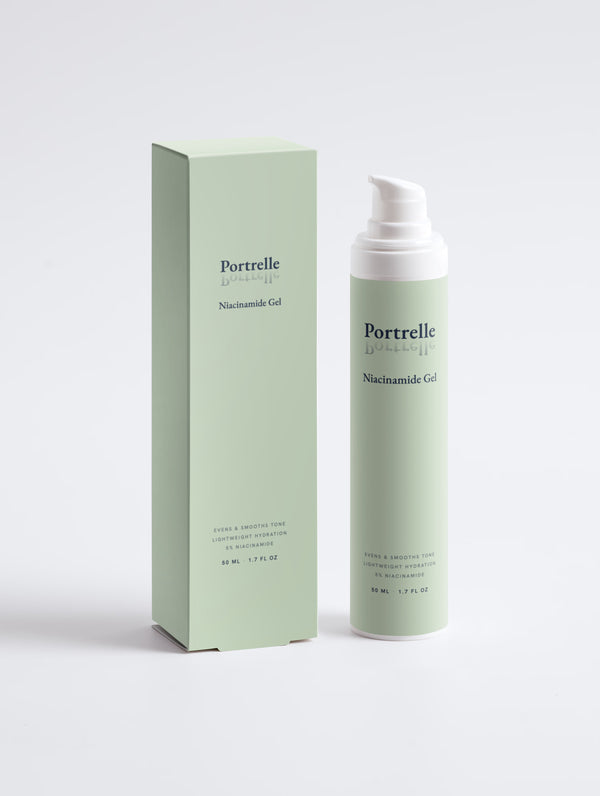
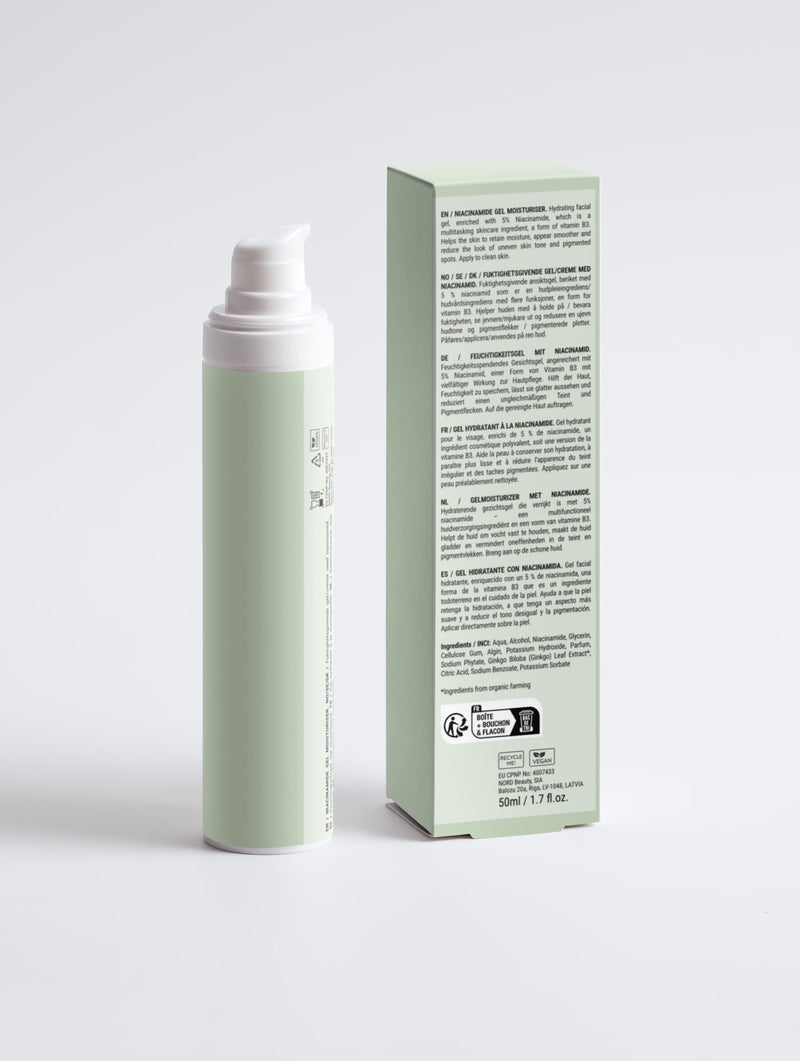
For oil balance and a more even tone, niacinamide is a quiet workhorse. Our Niacinamide Gel pairs 5% niacinamide with a light gel texture, so it can help with oil control if your skin feels oily by the afternoon. To finish, a moisturiser with zinc, like our Blemish Moisturiser, keeps blemish-prone skin comfortable without heaviness, because stripped skin tends to overreact rather than behave.

The other honest job for skincare is the aftermath. Hormonal breakouts often leave flat brown or pink marks once the spot itself has gone, and those marks can outstay the breakout by weeks. That is post-inflammatory hyperpigmentation, and we explain how to help it fade in our guide to post-inflammatory hyperpigmentation. Gentle care and daily sunscreen do most of the work here.
What should you avoid?
A few habits make hormonal acne look and feel worse, even though they feel productive in the moment.
- Stripping the skin. Harsh, squeaky-clean cleansing and constant strong actives can leave skin irritated, which often reads as more redness, not less.
- Squeezing deep bumps. The tender ones under the skin have nothing to release, and picking at them tends to prolong the mark and risk a scar.
- Stacking every active at once. Piling salicylic acid, retinoids, scrubs and exfoliating acids on top of each other overwhelms the skin. Pick a couple of steps and give them time.
Scrubbing hard feels like doing something. On inflamed skin it usually just adds irritation to a surface that is already unhappy.
When should you see a doctor?
Skincare has a ceiling here, and it is important to say so. If your acne is persistent, painful, cystic or leaving scars, or if it is affecting how you feel day to day, a GP, dermatologist or gynaecologist is the right next step. They can look at the hormonal side properly and talk through options that a skincare routine simply cannot offer. Going is not admitting defeat. It is matching the problem to the person who can actually help with it. We will never name or recommend specific medications, because that is a conversation for you and a professional.
Read next
Everyone's skin is different, and experiences vary from person to person. This article is for information only and is not medical advice. If you are worried about your skin, please speak to a doctor, pharmacist or dermatologist.