Tea tree oil is an essential oil from the Australian melaleuca tree, and it has a long history as a purifying ingredient for blemish-prone skin. Used with care, it can support the look and feel of skin that tends to break out. One rule matters more than all the others: never apply the pure oil straight to your face.
One quick note: a lot of tea tree searches are really about nail fungus or head lice, but this guide is about facial skin and blemishes only, and those other uses belong with your pharmacist rather than a skincare journal.
Quick answers
What does tea tree oil do?
Tea tree is a traditional purifying oil for blemish-prone skin. People reach for it to support the look of clearer skin and to help skin feel fresher. It is a helper, not a cure, and it does its best work as one small part of a steady routine rather than as a fix on its own.
How do you dilute tea tree oil?
Never use it neat on your face. If you work with the pure oil, blend a tiny amount into a carrier oil such as jojoba, then patch test for 48 hours before it goes anywhere near a blemish. The easier path is a finished product where the dosing has already been sorted for you.
How often should you use tea tree oil?
Start low. Once a day at most, dabbed only on the spots that need it, never across your whole face. If your skin stays calm after a few days, you can carry on. If it stings, tightens, or looks red, stop and give your skin a break.
Can everyone use tea tree oil on the face?
No, and that is worth being honest about. Some skins simply dislike it. Fragrance-sensitive, reactive, or easily irritated skin is usually better off skipping tea tree and reaching for something gentler.
What is tea tree oil, exactly?
Tea tree oil is steam-distilled from the leaves of the melaleuca tree, a shrubby plant native to Australia. The result is a highly concentrated essential oil with a sharp, medicinal scent. That concentration is the whole point, and also the catch. A little goes a long way, and too much can overwhelm the skin rather than help it. Tea tree has been a go-to purifying ingredient for blemish-prone skin for decades, which is exactly why it turns up in so many spot treatments and cleansers, and why it is so often misused in its raw, undiluted form.
What does tea tree oil actually do for skin?
Honestly, less than the internet tends to promise, and that is fine. Tea tree is traditionally used to support the look and feel of blemish-prone skin, which is why it sits so naturally inside a purifying routine. What it does not do is cure breakouts. No single ingredient does, and any product that suggests otherwise is overselling. Blemishes are driven by oil, by how quickly skin cells turn over, and often by hormones, so a lasting result usually comes from a full routine rather than one hero oil. Tea tree can be a useful part of that routine, but it is a supporting act, not the whole show. If your breakouts flare on a monthly pattern or settle along the jaw and chin, our guide to hormonal acne explains why the trigger often sits deeper than anything you apply on top. For the wider view, start with our overview of what actually helps blemish-prone skin.
How do you dilute tea tree oil and use it safely?
This is the part most searches skip, so we will not. Never apply undiluted tea tree oil to your face. In its pure form it can irritate the skin barrier, and it can sensitise you over time, which means reactions can build with repeated use even when the first application felt fine. Sensitisation is easy to miss and hard to undo, so it is worth taking seriously from the start.
If you still want to use the pure oil, treat it with respect. Blend a small amount into a carrier oil, such as jojoba or another gentle plant oil, so it is properly diluted before it touches your skin. Then patch test on your inner arm and wait a full 48 hours to check for any reaction. Only after that should it go near a blemish, and even then, keep it to the spot itself, not the surrounding skin.
Honest skincare means saying it plainly: pure tea tree oil belongs in a carrier, never straight on your face.
Is there an easier and safer way to use it?
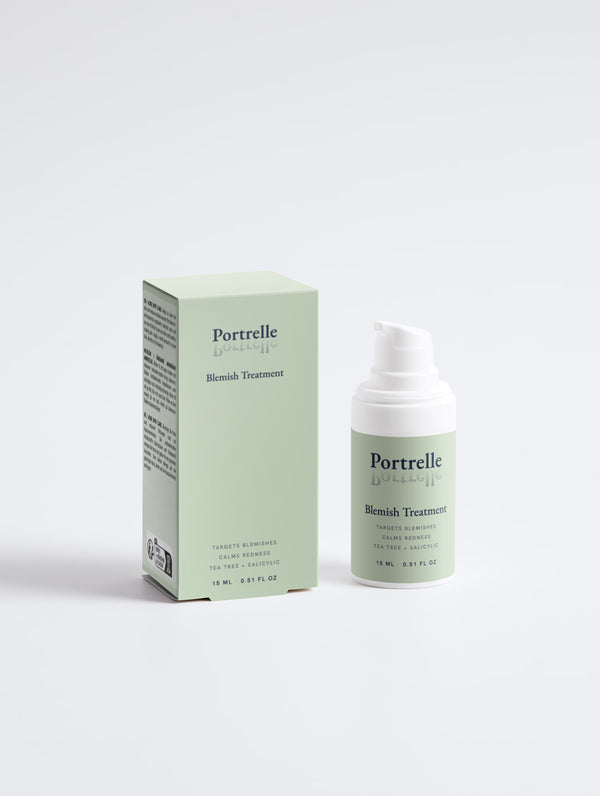
Yes, and for most people it is the better choice. A well-made product has already done the dilution and the dosing, so you get tea tree at a level your skin can actually handle, with nothing to measure yourself. It also spares you the faff of buying two oils and hoping you mixed them right. Our Blemish Treatment pairs tea tree with salicylic acid at skin-appropriate levels, so the two can work together on the spots that need attention, with the tea tree kept in check rather than left to run wild. You skip the guesswork, and you skip the risk of tipping a pure oil onto sensitive skin.

Is tea tree oil good for oily skin?
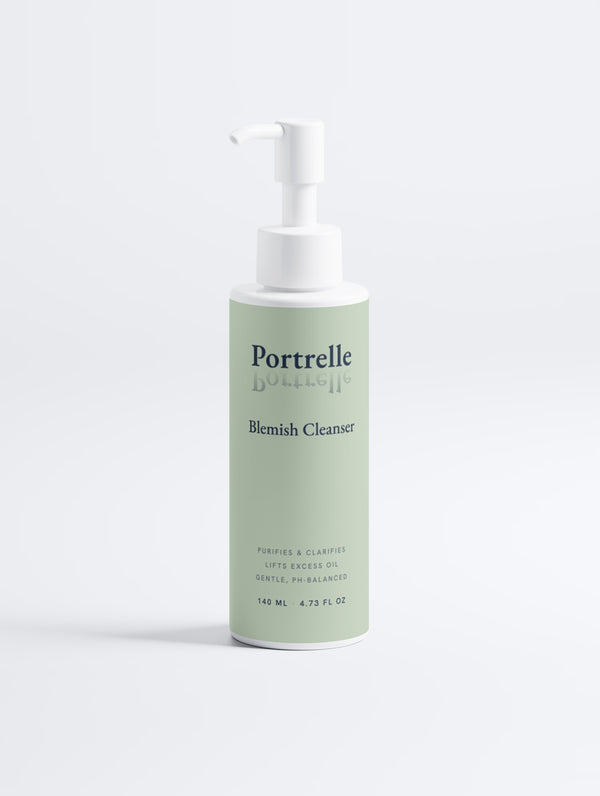
It can suit oily and combination skin, which is part of why it appears in so many blemish products. Oily skin often tolerates purifying ingredients a little better than dry or sensitive skin does. Even so, oily does not mean invincible. The same rules apply: keep it diluted, keep it to the spots, and watch how your skin responds. For daily washing, a Blemish Cleanser keeps things simple without stripping the skin, which is a calmer starting point than dabbing oils around.

Who should skip tea tree oil?
Plenty of people, and there is no shame in it. If your skin is fragrance-sensitive, very reactive, or quick to flush, tea tree may be more trouble than it is worth. The scent alone bothers some people, and reactive skin has a lower tolerance for potent botanicals. Irritated skin also tends to look worse, not better, so pushing through redness rarely pays off. If that sounds like you, a gentler routine will serve you far better, and there are plenty of calmer ingredients that support blemish-prone skin without the sting. Skincare should feel calm, not like a fight with your own face.
This article is for information only and is not medical advice. If your skin is painful, persistent, or worrying you, please speak to a doctor, pharmacist, or dermatologist.