Post-inflammatory hyperpigmentation, or PIH, is the flat brown or grey mark your skin can leave behind after it was inflamed. A healed breakout, a scratched insect bite, a small cut, an eczema flare: each can push extra pigment into that one spot. The mark is not a true scar, and for most people it is not permanent. It can still take months to fade, which is why it feels so stubborn.
This article explains what is happening, why some of us mark more easily than others, and what genuinely supports the look of those marks fading. Honest version up front: there is no overnight fix, and anyone promising one is selling you something.
Quick answers
What is post-inflammatory hyperpigmentation?
It is a dark or brown mark left after skin was inflamed or injured. The inflammation triggers extra melanin in that area, so the spot stays visible after the breakout or wound itself has healed. It sits flat against the skin, which is one way to tell it apart from a raised scar.
Does PIH go away on its own?
Often, yes, but slowly. Many marks fade over several months as skin renews itself. Daily sun protection and gentle care can support that process. Deep or long-standing pigmentation tends to be more patient work, and sometimes a dermatologist is the right call.
What helps dark marks after breakouts?
Daily SPF first, then patience and a few gentle actives: niacinamide, alpha-arbutin, and a mild exfoliant. The aim is to support even-looking skin while the mark fades. Picking or scrubbing at it does the opposite.
Why do I get dark marks faster than others?
Skin that makes more melanin tends to respond to inflammation with more pigment. Deeper skin tones are more prone to PIH, and the marks can linger longer. It is completely normal and not a sign you are doing anything wrong.
What is actually happening in the skin?
When skin is inflamed, the pigment-making cells in it, called melanocytes, can go into overdrive. They produce extra melanin right where the trouble was. Once the breakout or bite has calmed down, that melanin is still sitting there, and that is the mark you see. Because it is pigment rather than a change in texture, PIH is flat. Run a finger over it and the surface feels smooth.
That distinction matters, because it tells you what kind of care makes sense. You are not trying to rebuild skin. You are supporting the skin's natural turnover so the extra pigment can move on.
PIH, PIE or a true scar: which one do you have?
Three different things get lumped together as "marks", and they are not the same.
- PIH is brown, tan or grey. It is extra pigment, and it is what this article is about.
- PIE, post-inflammatory erythema, is pink or red. It has more to do with visible blood vessels than pigment, and it often shows up on lighter skin tones after a breakout.
- True scars involve a change in texture: a small dent, a raised bump, an indentation you can actually feel. That is structural, not just colour.
If your marks are flat and brown, you are most likely dealing with PIH. If they are raised or pitted, read our honest guide to what helps with acne scars and marks instead, because the approach is different.
Why do darker skin tones get PIH more often and for longer?
Skin with more melanin is simply more reactive when it comes to pigment. The same melanocytes that give deeper skin its colour also respond more strongly to inflammation, so a breakout or bite is more likely to leave a visible mark, and that mark can take longer to fade. This is factual, not a flaw. If you have medium to deep skin, gentle handling and daily sun protection matter even more, because harsh treatment can trigger the very pigment you are trying to calm.
How long does post-inflammatory hyperpigmentation take to fade?
Honestly: months, and sometimes longer. A fresh, shallow mark might soften in a few weeks. Older or deeper pigment can take half a year or more, especially without sun protection. Skin renews itself on its own timeline, and no serum speeds that up as much as the marketing suggests. Consistency beats intensity here. A gentle routine you keep up for months does more than a harsh one you abandon in two weeks.
What helps the look of dark marks fade?
A short, steady routine supports even-looking skin. Here is what earns its place.
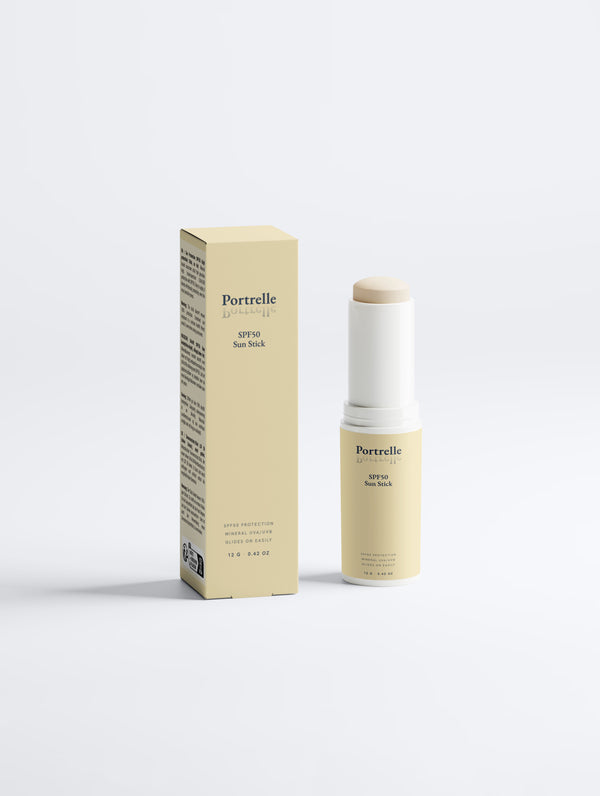
Daily SPF, above everything. Sun exposure can darken PIH and drag out the fading. Wearing broad-spectrum protection every day, even in Belgian winter, is the single highest-impact thing you can do. A mineral SPF50 sun stick makes it easy to top up over the day without disturbing the rest of your routine.
The single most useful thing you can do for a dark mark is keep the sun off it.

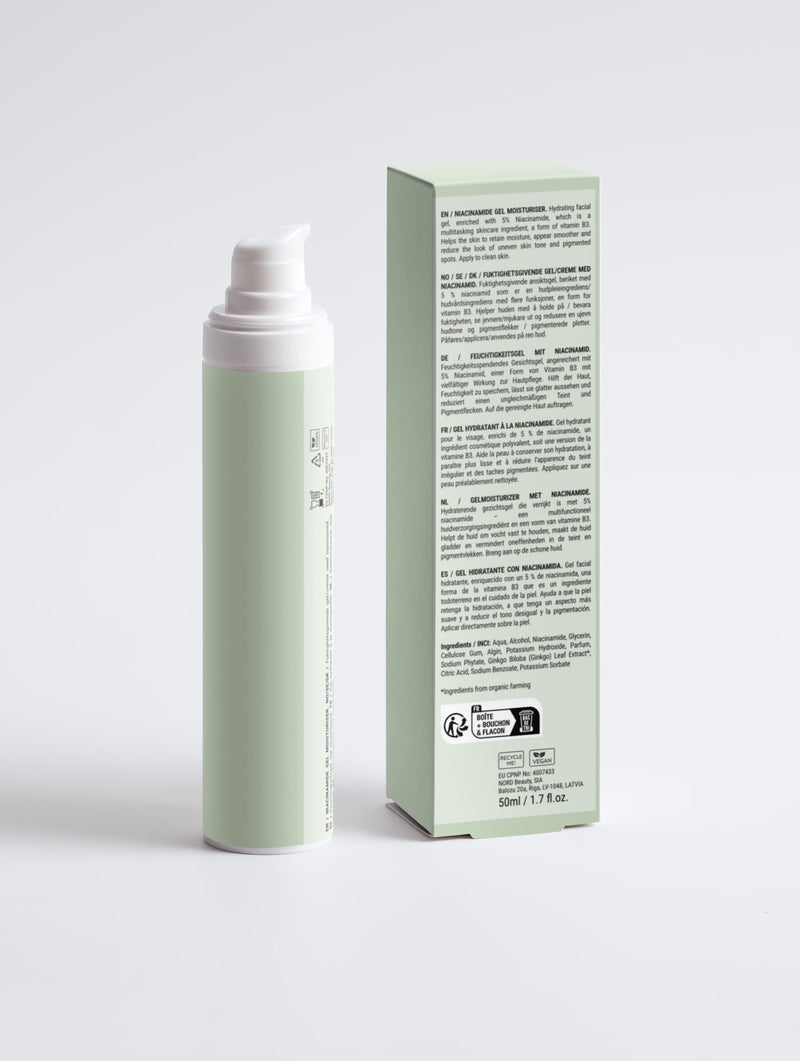
Niacinamide. This well-studied ingredient supports a more even-looking tone and a calmer-looking complexion. A 5% niacinamide gel moisturiser works it into a light daily step, so it is one less thing to think about.
Gentle exfoliation. Nudging along the skin's natural turnover can help extra pigment look less noticeable over time. Emphasis on gentle. A mild glycolic acid toner used a couple of nights a week is plenty. Daily scrubbing is not the goal, and it usually backfires.

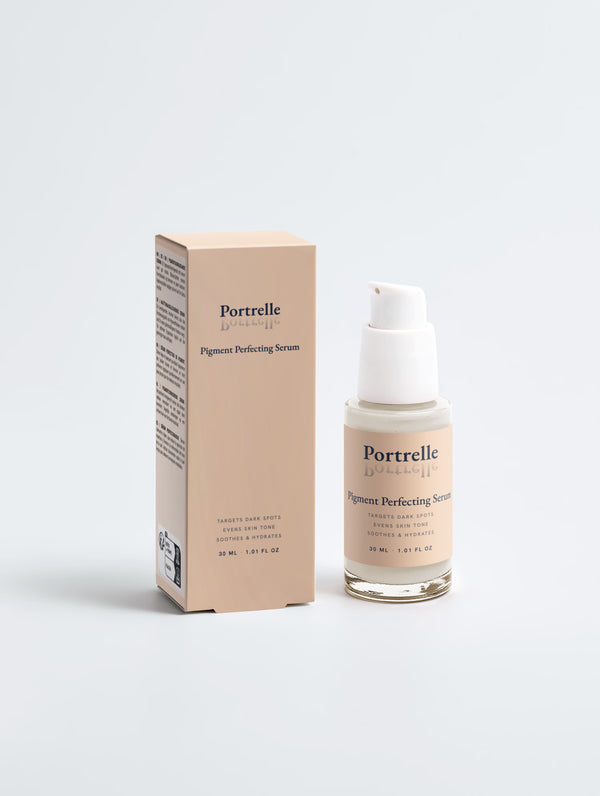
Brightening actives like arbutin. Alpha-arbutin is a gentle, well-tolerated ingredient that supports the look of dark spots. It is the hero in our Pigment Perfecting Serum. You will notice we do not lean on hydroquinone or high-strength acids. That is deliberate: for everyday marks, gentle and consistent tends to serve skin better. If you are curious about another popular brightener, our take on kojic acid is worth a read.
Want the fuller picture across every kind of dark spot, from sun spots to hormonal patches? Start with our pillar guide on what actually helps with dark spots.
What makes PIH worse?
Some habits quietly keep marks around longer:
- Picking and squeezing. More inflammation means more pigment. A popped spot often leaves a darker, longer-lasting mark than one left alone.
- Skipping SPF. Sun is the main thing that deepens PIH and slows fading.
- Harsh scrubbing. Aggressive exfoliation irritates skin, and irritation is exactly what started the pigment in the first place.
- Chasing quick fixes. Piling on strong actives all at once usually inflames skin rather than calming it.
Gentle and boring genuinely wins here.
When should you see a dermatologist?
Some pigmentation is worth professional eyes. If marks are widespread, very deep, clearly getting worse, or simply not budging after months of consistent care, see a dermatologist. The same goes if you are unsure whether you are dealing with PIH or something else, such as melasma, which behaves differently and often needs a tailored plan. And if a mark is changing shape or colour in a way that worries you, do not wait: have it checked. A professional can look properly and point you toward what suits your skin.
Experiences vary from person to person. This article is informational and reflects general skincare guidance, not medical advice. For diagnosis or treatment of any skin condition, please speak to a doctor or dermatologist.