Glycolic acid is an alpha hydroxy acid, an AHA, and it happens to be the smallest molecule in the group. That small size is the whole trick: it slips easily between the loose, dull cells sitting on the surface of your skin and helps them let go, so the fresher skin underneath looks brighter and feels smoother. It is water-soluble, which means it works mostly on the surface rather than deep inside a pore, and it improves how skin looks and feels rather than changing it for good.
Quick answers
- What is glycolic acid? It is the smallest AHA, water-soluble, and it loosens dead cells on the skin's surface for a smoother, brighter look.
- AHA or BHA, which do I need? AHA like glycolic works on the surface for glow and texture, while BHA is oil-soluble and reaches into pores.
- How often should a beginner exfoliate? Once or twice a week in the evening, building up slowly only if your skin stays calm.
- Can I use it with retinol? Keep glycolic acid and retinoids or strong vitamin C on separate nights so you do not overload your skin.
- Do I need SPF afterwards? Yes, freshly exfoliated skin is more sun-sensitive, so daily SPF the next morning is essential.
What exactly is glycolic acid, and why does molecule size matter?
Glycolic acid belongs to a small family of alpha hydroxy acids that also includes lactic acid and mandelic acid. What sets glycolic apart is that its molecule is the smallest of the group, so it moves through the topmost layer of skin more readily than its cousins. In practical terms, that makes it effective at loosening the bond between tired surface cells, which is why skin can look more even and feel softer after regular, gentle use.

Because it is water-soluble, glycolic acid does its work on the surface. It is not travelling deep into your skin or into the lining of a pore. It is polishing the outer layer so light bounces off more evenly and your complexion reads as fresher. That surface focus is a strength for glow and texture, and it is also why a little goes a long way. You can explore the full range of acids and polishing steps in our masks and exfoliators collection if you want to see the options side by side.
AHA vs BHA: what is the difference in plain language?
The simplest way to hold the two apart is water versus oil. AHAs like glycolic are water-soluble, so they concentrate on the surface and are brilliant for dullness, rough texture and uneven-looking tone. BHA, which usually means salicylic acid, is oil-soluble. That means it can mix with the sebum in your pores and reach the oil inside the pore rather than only the surface.
So the short version is this. AHA is your surface polish for glow and smoothness. BHA is your oil-friendly option for skin that feels congested, looks shiny or shows a lot of blackheads. Neither is better in the abstract. They simply suit different skin and different goals, and some people end up using both, just not layered on the same night.
Who suits an AHA, and who suits a BHA?
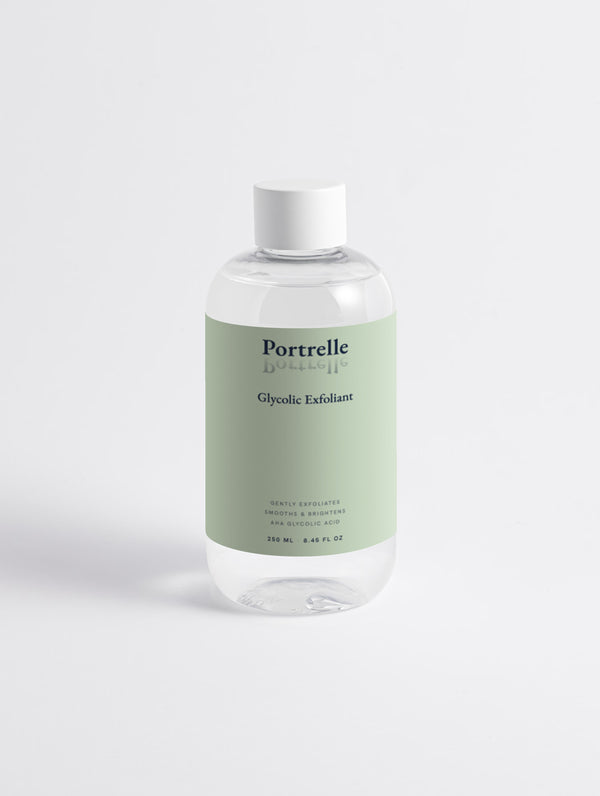
An AHA like glycolic tends to suit normal to dry skin, anyone chasing a brighter, more even look, and skin that feels rough or looks a little tired. If your main complaint is dullness or texture, glycolic is a sensible starting point. Our Glycolic Exfoliant toner (EUR 28) is an easy way to fold that step in without overthinking it.

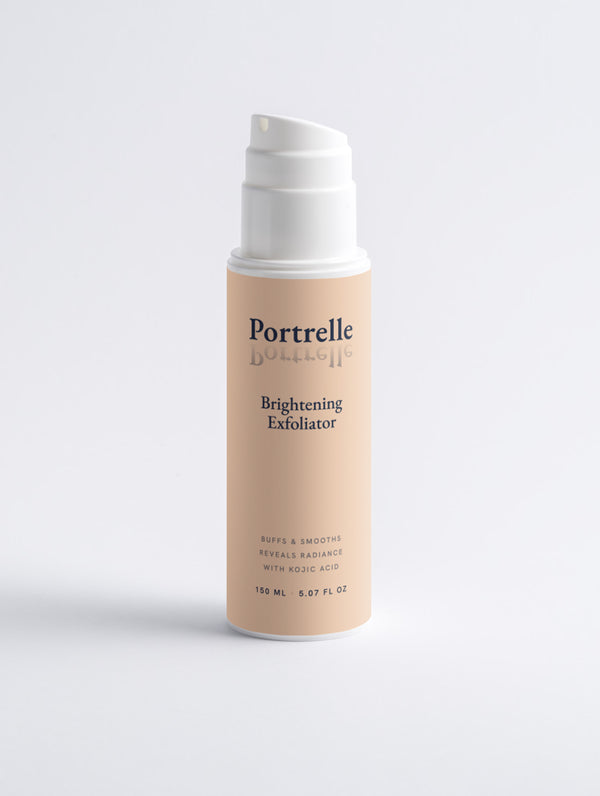
A BHA suits oilier, blemish-prone skin that feels blocked up, where the goal is clearer-looking pores rather than surface glow. Plenty of people have combination skin and lean on an AHA across drier areas and a BHA where they get congested. If your skin is sensitive or reactive, go slowly with either one, patch test first, and treat comfort as your guide. For the whole body, a rinse-off option such as our Brightening Exfoliator with kojic acid (EUR 28) is a gentler way to keep skin looking smooth and even beyond the face.
How often should you start exfoliating?
Start low. Once or twice a week in the evening is plenty when you are new to acids, and you can build up slowly over several weeks only if your skin stays calm and comfortable. More is not better here. Over-doing it early is the most common mistake, and it usually sets you back rather than speeding things up.
Evening use makes sense because exfoliation leaves fresh skin at the surface, and that fresh skin is more sensitive to sunlight. Which brings us to the rule you cannot skip: wear SPF the next morning, every time. Daily broad-spectrum sun protection is what preserves the brighter, more even look you are working towards. Without it, sun exposure quietly undoes the effort and can leave tone looking more uneven, not less. For where exfoliation sits alongside cleansing, treatments and moisturiser, our guide to skincare routine order in five steps lays out a sequence that is easy to follow.
What should you never combine on the same night?
Keep glycolic acid apart from a few strong actives. Retinoids and potent vitamin C are the main two to avoid stacking on the same evening, because piling active on active is the fastest route to a stinging, flaky barrier. The fix is simple: alternate nights. Glycolic on one evening, your retinoid on another, and everyone stays comfortable.
The same caution applies to layering several acids at once or following an acid with a gritty physical scrub. Choose one form of exfoliation and let it do its job. Gentler companions are welcome, though. Hydrating and calming steps like hyaluronic acid, niacinamide and a soothing moisturiser pair happily with an acid night and help skin feel balanced rather than stripped.
Exfoliation is a slow polish, not a reset button. Gentle and consistent will always outshine harsh and hopeful.
Can glycolic acid really shrink your pores and smooth texture?
Here is the honest answer. You cannot permanently change the size of a pore, because pore size is mostly down to genetics and how much oil your skin produces. What glycolic acid can do is keep the surface clear of the debris and dead cells that make pores look larger and more obvious. When that build-up is polished away, pores can look less noticeable and skin can look more refined and smooth.
So set your expectations around the look and feel of your skin, not a structural fix. Texture can appear softer, tone can read as more even, and the overall finish can look fresher with steady use. Those are real, worthwhile results. They are just cosmetic ones, and they hold only while you keep the routine going, so think of exfoliation as ongoing upkeep rather than a one-time change.
What are the signs of over-exfoliation, and how do you recover?
Your skin will tell you when you have pushed too hard. Tightness, stinging, unexpected redness, flaking, or a sudden burst of sensitivity to products you normally tolerate are all signs the barrier is asking for a break. If that happens, stop all acids and retinoids straight away. This is a moment for kindness, not more active ingredients.
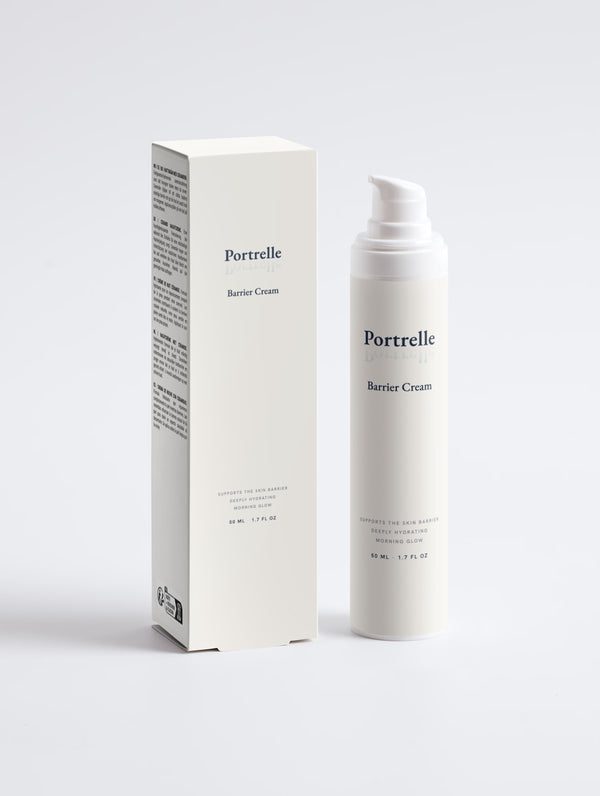
Recovery is mostly about doing less and supporting the barrier. Cleanse gently, skip exfoliation entirely for a week or two, and lean on rich, comforting moisture. A ceramide-based option like our Barrier Cream (EUR 35) helps skin feel cushioned and calm while it settles. It also helps to understand what your skin is actually short on, since a compromised barrier and simple dehydration can look similar, which our guide to dry versus dehydrated skin unpacks clearly. Once your skin feels comfortable again, reintroduce glycolic slowly, at a lower frequency than before, and give it time. If breakouts, discolouration or irritation persist beyond a cosmetic routine, a dermatologist is the right person to see, because some concerns need proper medical care rather than a skincare tweak.
Read next
- Salicylic Acid (BHA): What It Does and How to Use It
- Blackheads: What Actually Works (and What Makes Them Worse)
- Milia: The Small White Bumps You Should Not Squeeze
- Which Exfoliant Suits Your Skin: AHA, BHA or a Scrub?
Skincare results vary from person to person, and everything here describes how skin looks and feels rather than any medical outcome. Cosmetic exfoliation can improve the appearance and texture of skin, but it does not treat or cure skin conditions. For persistent or medical concerns, please speak to a dermatologist.