Milia are small, firm, white bumps that sit just beneath the surface of the skin, most often around the eyes and on the cheeks. They are tiny pockets of trapped keratin, the protein that makes up the outer layer of your skin. Here is the honest answer to the question most people are really asking: you cannot squeeze milia out like a spot, and no cream will dissolve them overnight. If a bump bothers you, the safe route is a trained professional, not your fingernails.
Quick answers
What is milia?
Milia are small keratin-filled cysts that form just under the top layer of skin. They look like tiny white or pearly dots and feel firm to the touch. Unlike a pimple, they are not inflamed and usually cause no pain.
How do you remove milia?
Not at home. Milia have no opening to the surface, so squeezing does nothing except risk marking the skin. Safe removal means a beautician or dermatologist making a tiny, sterile extraction. In trained hands it takes seconds.
How do you prevent milia?
You cannot guarantee it, but gentle habits help. Regular, mild exfoliation keeps dead skin from building up, and lighter textures around the eyes give keratin less chance to get trapped. Heavy, greasy layers where you are prone can make things worse.
Will milia go away on their own?
Often, yes, in time. Many milia clear by themselves over weeks or months, and in babies they almost always resolve without any help. Persistent ones that bother you can be removed professionally.
Is milia the same as miliaria (heat rash)?
This is one of the most common mix-ups in skincare searches, and the two are completely different. Milia are firm, painless white bumps made of trapped keratin. Miliaria, often called heat rash, is an itchy red rash caused by blocked sweat ducts, usually after heat, sweating, or humidity. Milia sit still and last a long time. Miliaria flares up, itches, and tends to settle once the skin cools down. If a hot, itchy rash keeps coming back or will not clear, that is a question for a doctor rather than a toner.
How does milia form?
Milia appear when keratin gets trapped under the surface instead of shedding away naturally. A few things make that more likely. Sun damage over the years can thicken the skin and slow its natural turnover. Very rich, occlusive products sitting on delicate areas can play a part, especially around the eyes. Skin injury or long-term irritation sometimes leads to them too. And newborns very commonly have milia across the nose and cheeks, which is completely normal and clears on its own within a few weeks. In short, milia are not a sign that you have done something wrong or that your skin is unclean.
How can you tell milia from a whitehead?
They are easy to confuse, but a few differences give it away. Whiteheads are part of ordinary breakouts, while milia are something quieter and more stubborn.
| Milia | Whitehead |
|---|---|
| Firm and pearly | Softer, often surrounded by redness |
| No opening to the surface | Has a visible opening or head |
| Painless | Can feel tender |
| Long-lived, stays for weeks or months | Comes and goes over days |
| Made of trapped keratin | Made of oil, dead skin and bacteria |
If you can see a clear head and the bump feels soft or sore, it is probably a whitehead. If it is small, hard, pale and simply will not budge, milia is more likely.

How do you remove milia safely?
The short version: leave the extracting to someone trained. Because milia have no opening, squeezing and picking cannot release them, and you risk bruising, marking the look of the skin, or spreading irritation. A beautician or dermatologist can lift a milium out in seconds with a sterile lance and gentle pressure. It is quick and low drama.
Milia are not a job for your fingertips. The kindest thing you can do is stop squeezing and let a professional handle the ones that bother you.
This is also where we want to gently bust a popular myth. A lot of advice online, and plenty of it in French, suggests dabbing toothpaste on milia. Please do not. Toothpaste is made for teeth, not skin, and it tends to irritate and dry out the delicate areas where milia like to appear. It will not dissolve a keratin cyst, and it can leave the surrounding skin red and unhappy.
Can you prevent milia with your routine?
Skincare cannot promise you will never get milia, and any product that claims to is overpromising. What a thoughtful routine can do is support smooth, healthy-looking skin so keratin has less chance to build up and settle.
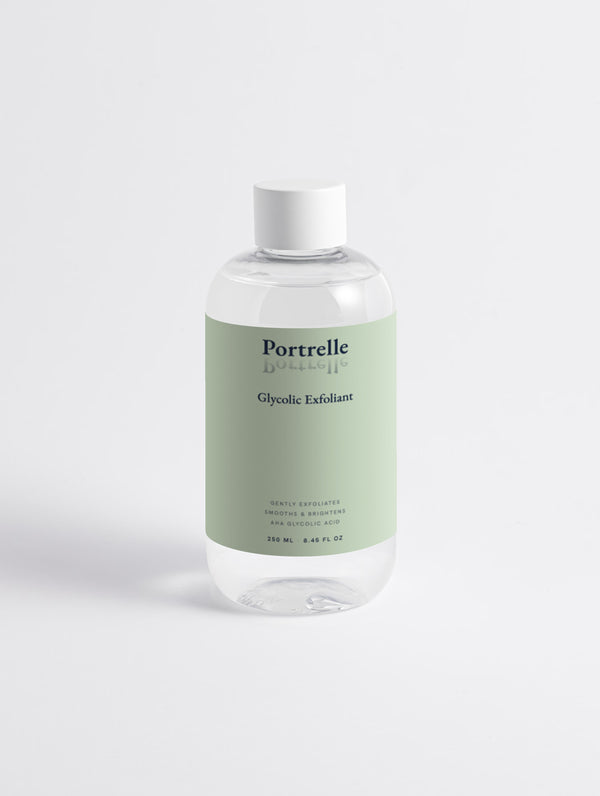
Gentle chemical exfoliation is the main tool here. An acid like glycolic encourages the surface to renew at its own pace, which helps the skin look clearer and feel smoother over time. Our Glycolic Exfoliant is a mild AHA toner made for exactly this kind of slow, steady care, and if acids are new to you, our guide to AHAs and BHAs walks through how to start without overdoing it. Little and often beats harsh and occasional.
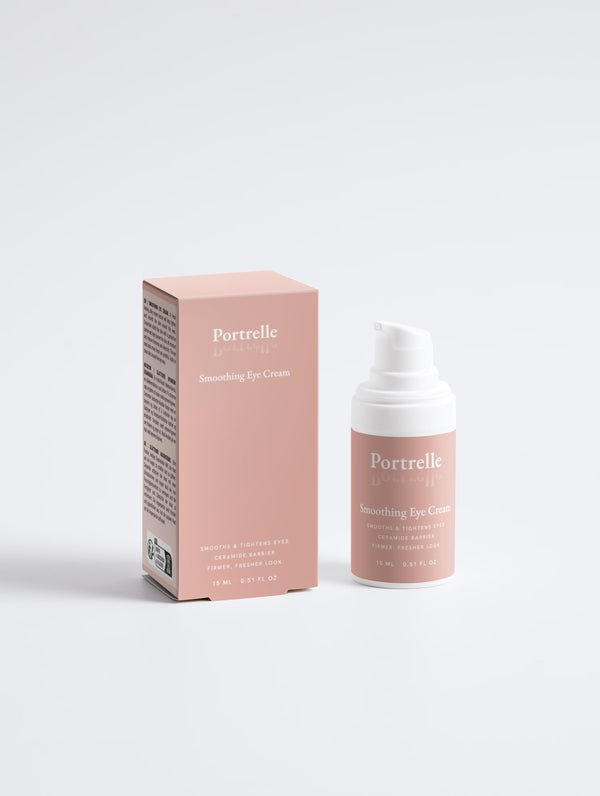
Around the eyes, where milia love to settle, texture matters. Very heavy, greasy creams can be too much for that thin skin, so a lighter option is often kinder. Our Smoothing Eye Cream uses ceramides in a lighter formula for the eye area, and if your main concern there is tiredness rather than bumps, our piece on puffy eyes and dark circles covers that side of things.

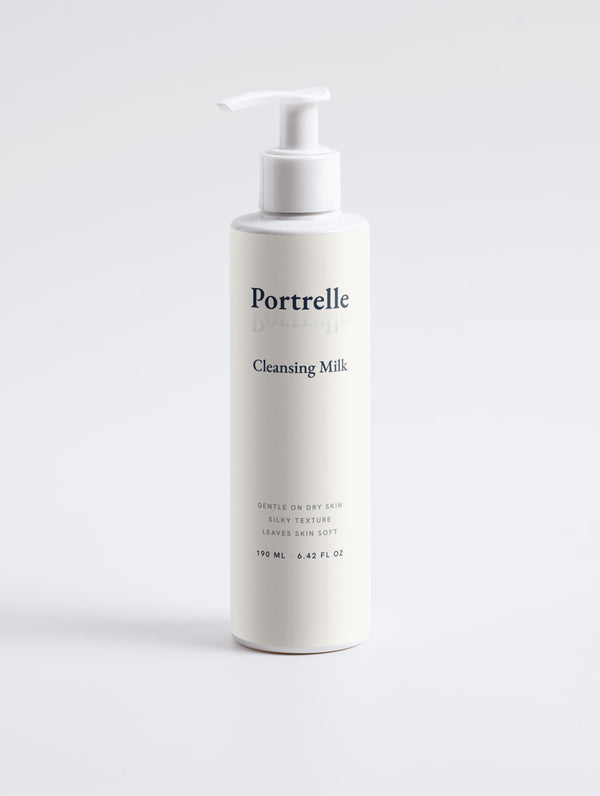
Cleansing counts too. You want to remove the day without stripping or scrubbing, since aggressive cleansing irritates skin and helps nobody. A soft, comforting wash like our Cleansing Milk, with argan oil and shea butter, keeps things calm. If your skin reacts easily in general, our calmer routine for sensitive skin is a gentle place to start.
So if you have found a stubborn little white bump, take a breath. Milia are common, usually harmless, and rarely worth a fight. Support your skin gently, keep your hands off, and see a professional for anything that lingers or bothers you.
Everyone's skin is different, and experiences vary from person to person. This article is for information only and is not medical advice. If a bump changes, spreads, or worries you, please see a doctor or dermatologist.