Exfoliant is one word for three quite different things: a chemical AHA, a chemical BHA, or a gentle physical scrub. The right one depends on your goal and your skin type, not on what is trending this week. The short version: glycolic acid (an AHA) for glow and smoother-looking texture, salicylic acid (a BHA) for oily and blemish-prone skin, and a fine-grain scrub for the body or a quick fresh finish. Here is how to choose without overthinking it.
Quick answers
What is an exfoliant, exactly?
An exfoliant is a product that helps loosen dull, dead cells from the surface of your skin. Some do this with acids you leave on (chemical), others with soft particles you rinse off (physical). Both are after the same feeling: smoother, fresher-looking skin.
Which exfoliant should I use?
Dry or dull skin usually likes an AHA. Oily or blemish-prone skin usually prefers a BHA. Rough body skin or a quick pick-me-up suits a fine scrub. Sensitive skin should start slow with the gentlest option, or sit this one out for now.
How often should you exfoliate?
Start with once or twice a week. Never daily at the beginning, and never two different exfoliants on the same day. Your skin will tell you soon enough whether it wants a little more or a little less.
How fast does an exfoliant work?
A fresher glow can show within a few days. Smoother-looking texture usually takes a few weeks of steady, gentle use. Slow and consistent beats aggressive and rushed.
AHA, BHA or a scrub: which is which?
Chemical exfoliants use acids. Physical ones use particles. Neither is better than the other; they simply suit different skin.
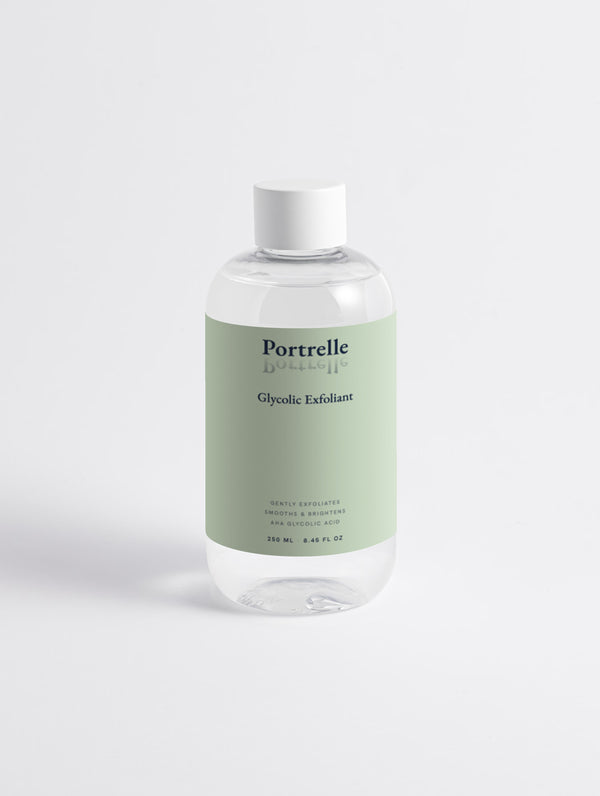
AHA (glycolic acid) works on the surface. It is the route for a brighter, smoother-looking finish and for skin that feels a bit dull or rough. Our Glycolic Exfoliant is a leave-on toner, so there is no rinsing involved. If you want the fuller picture on how acids behave, our AHA and BHA guide goes deeper.

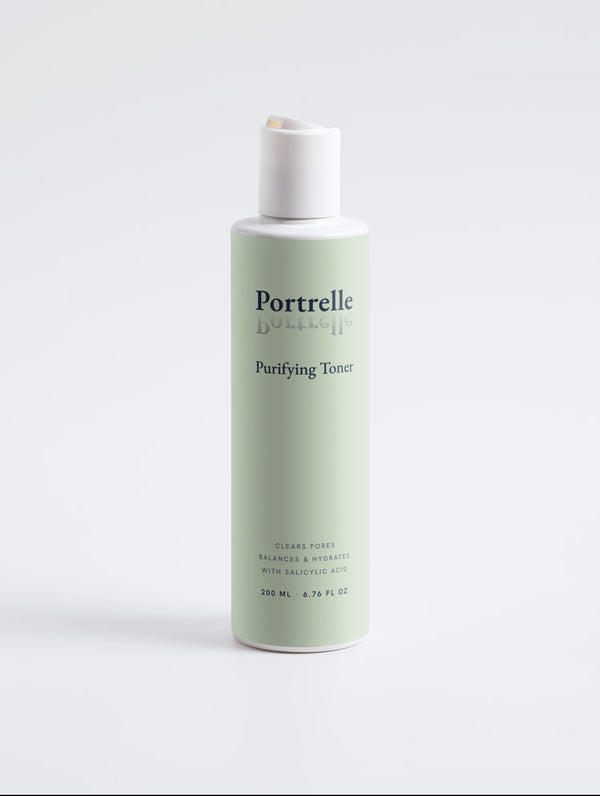
BHA (salicylic acid) is oil-soluble, so it can travel into the pore rather than just sitting on the surface. That tends to suit oily, congested or blemish-prone skin. Our Purifying Toner carries salicylic acid, and we walk through how it behaves in salicylic acid, explained.

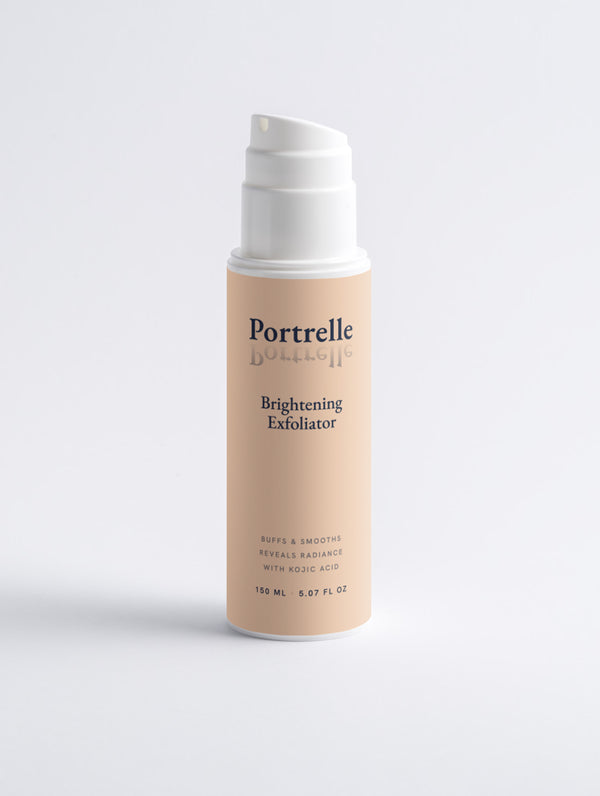
Physical scrubs still have a place, as long as the grain is fine and soft. Our Brightening Exfoliator uses kojic acid and a gentle grain for the face and body, and it is often chosen for the look of a more even tone. Be honest with yourself here, though: harsh, scratchy scrubs can cause micro-irritation, and gritty kitchen mixes are a firm no. More on that in a moment.
How do you use an exfoliant?
Always exfoliate after cleansing, on clean skin. Leave-on acids like a glycolic or salicylic toner go on dry or slightly damp skin, depending on what the label tells you, and you do not rinse them off. A physical scrub is worked in gently for a few seconds, then rinsed away. Follow with your moisturiser. On the mornings after you exfoliate, be generous with SPF, because freshly exfoliated skin can be more sensitive to the sun.
How often should you exfoliate, really?
This is the question we get most often, and the honest answer is: less than you think. Begin at once or twice a week and hold there for a while before you consider going up. Acids are not a daily habit when you are starting out. And please do not stack two exfoliants in a single day. An acid in the morning and a scrub at night is a quick route to a stripped, unhappy barrier.
One exfoliant, one job, and always a little less than feels tempting. Skin rewards patience, not pressure.
How fast will you notice anything?
A little glow can appear quite quickly, sometimes within a few days, because you are lifting away dull surface cells. The look of smoother texture and a more even tone tends to take longer, usually a few weeks of steady use. If nothing seems to be shifting after a week, resist the urge to double up or scrub harder. Give it time instead. Overdoing it now tends to set you back, not forward.
Can you make a face exfoliant at home?
This is a popular search, so we will be plain about it: please skip the kitchen scrubs. Sugar and coffee grounds have sharp, uneven edges that can tug and tear at the surface of your skin. Lemon juice is an unbuffered acid at an unpredictable strength, which is not something you want to leave sitting on your face. A properly formulated product is gentler and far more predictable than anything you can whisk together at the sink. This is one of those moments where the honest route is simply not the DIY one.
What if your skin feels tight and shiny?
Tight, shiny, stinging skin is your signal to stop. So is new redness, or a sudden sensitivity to products that used to feel perfectly fine. This usually means you have exfoliated too often. The kindest move is to pause all exfoliants and let your skin settle with gentle cleansing and plenty of moisture. Our guide on how to look after your skin barrier walks through that calm-down routine. If the irritation is severe, painful, or will not ease, please see a pharmacist or doctor.
Which exfoliant suits your skin?
Use this as a starting point, then adjust to how your skin actually responds. And if your goal is more about controlling oil than smoothing texture, a clay mask may suit you better than any exfoliant, and you will find those in our face masks guide.
| Your goal | Skin type | Best route |
|---|---|---|
| Dull, rough, uneven-looking skin | Normal to dry | AHA (glycolic toner) |
| Blackheads, oily shine, breakouts | Oily, blemish-prone | BHA (salicylic toner) |
| Rough body skin or uneven tone on the body | Face and body | Fine-grain scrub (kojic) |
| Occasional congestion and oil control | Combination to oily | Clay mask |
| Reactive, easily irritated | Sensitive | The gentlest AHA, rarely, or skip for now |
This article is general information about skincare choices, not medical or dermatological advice. If you have a specific skin concern, are pregnant, or your skin stays irritated, please check in with a doctor, pharmacist or dermatologist.