Ceramides are lipids that live naturally in the outer layer of your skin. They work like mortar between skin cells, holding everything together so moisture stays in and daily life stays out. In skincare, ceramides top up what your barrier already uses, which helps skin feel comfortable, look smoother, and feel less tight.
Quick answers
Is ceramide good for your skin?
For most people, yes. Ceramides are part of your skin's own structure, so they tend to sit well even with sensitive-feeling skin. They support the barrier rather than forcing a change, which is why they rarely cause the sting that some stronger actives can.
Are ceramides good for dry skin?
Dry skin is often where ceramides feel most noticeable. When the barrier is low on lipids, skin can feel tight and rough by afternoon. A ceramide cream helps skin hold water again, so it feels softer and more settled through the day.
What do ceramides do for the skin?
They help the surface stay sealed and supple. Think of them as one of the materials your barrier is built from. Topping them up supports how well skin keeps moisture in and how comfortable it feels day to day.
Can oily skin use ceramides?
Yes. Ceramides are about barrier structure, not extra oil, so they suit oily and combination skin too. A lightweight ceramide layer can even ease the tight, over-stripped feeling that often follows harsh cleansing.
What are ceramides, exactly?
Your outer skin is often described as a brick wall. The skin cells are the bricks. The lipids between them are the mortar, and ceramides are a big part of that mortar, alongside cholesterol and fatty acids. This mortar is what keeps the wall sealed and even.
When there is enough of it, skin feels smooth and holds hydration on its own. When it runs low, tiny gaps open up. Water escapes more easily, and irritants find it easier to get in. That is the moment skin starts to feel tight, look a little dull, or react to things it used to shrug off. If you want the full picture of how this wall works and how to look after it, our guide to the skin barrier goes deeper.
Why do ceramides matter for how your skin feels?
A barrier with enough ceramides holds onto water better, so skin feels plump rather than parched. It also feels calmer, because a sealed surface is less exposed to the wind, sun, and friction that leave skin feeling raw. None of this is about adding something foreign. It is about keeping up the levels of a material your skin already makes.
Ceramides do not turn your skin into something new. They top up what your barrier already knows how to use.
What wears down the feel of your barrier?
Ceramide levels are not fixed. A few everyday habits quietly lower them:
- Over-cleansing. Hot water and strong foaming washes strip lipids along with the grime. Skin can feel squeaky at first, then tight an hour later.
- Harsh exfoliation. Scrubbing too often, or stacking strong acids and retinoids, wears the mortar down faster than it rebuilds.
- Weather. Cold air, indoor heating, and dry wind all pull moisture from the surface and leave the barrier working harder.
- Age. Skin naturally makes fewer ceramides over the years, which is part of why mature skin can feel drier.
If your skin feels tight but still looks oily in places, you may be dealing with dehydration rather than true dryness. We unpack the difference in dry versus dehydrated skin.
Who benefits most from ceramide skincare?
Almost anyone can use ceramides, but some skin feels the difference sooner:
- Dry skin that feels tight, flaky, or rough by afternoon.
- Sensitive-feeling skin that reddens or stings easily.
- Barrier-stressed skin after too much exfoliation or a harsh winter.
- Mature skin that has grown drier over time.
For very dry skin, a richer texture often feels best. A fragrance-free option like our Rich Cream gives dry skin something substantial to hold on to, and it pairs well with the practical tips in what actually helps dry facial skin.

How long before ceramides make a difference?
Some of the effect is quick. Because ceramides help skin hold water, many people notice skin feels softer and less tight within a few days. The steadier gains, a barrier that copes better with cold air or the odd harsh product, build up over weeks of consistent use. There is no need to overapply. A comfortable layer once or twice a day does more than a thick coat now and then.
How do you fit ceramides into a routine?
The easy part: ceramides layer well with almost everything. They do not clash with vitamin C, niacinamide, or gentle acids, and they are a natural partner for hydrating ingredients. A simple approach works fine:
- Cleanse gently, without stripping.
- Apply any water-based serum, such as hyaluronic acid, onto slightly damp skin.
- Follow with a ceramide moisturiser to seal everything in.
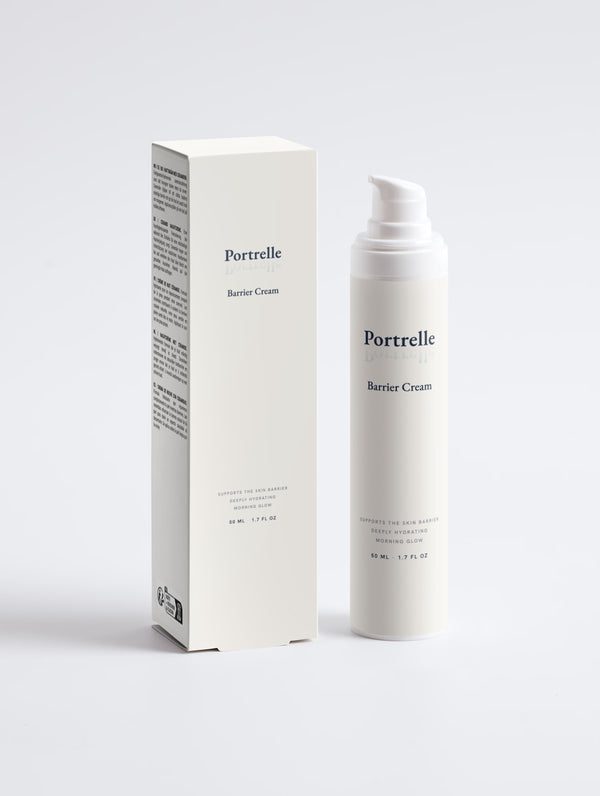
Ceramides and hyaluronic acid make a particularly good team. Hyaluronic acid draws water into the skin, and ceramides help keep it there. If you want the detail on that pairing, our note on hyaluronic acid explains how the two work side by side. Our Barrier Cream brings ceramides, hyaluronic acid, shea butter, and aloe together in one step, which is a tidy way to cover both jobs overnight.
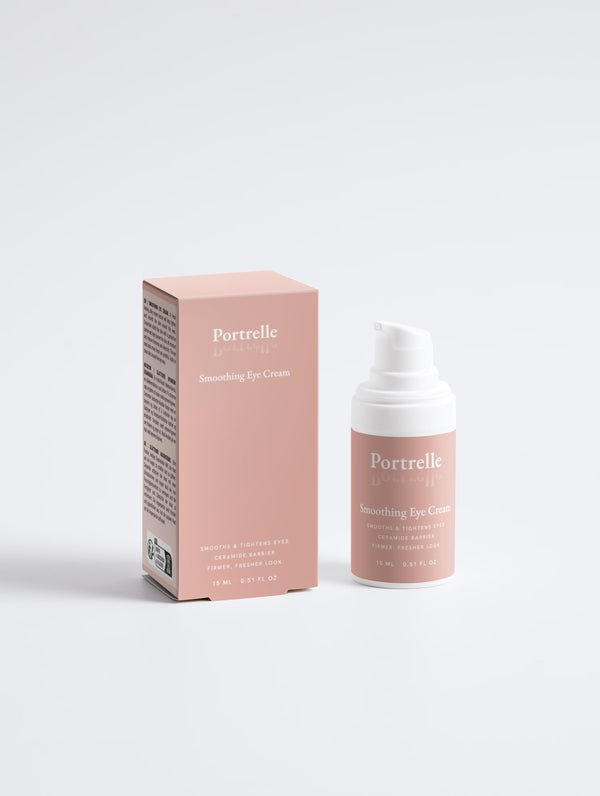
The skin around the eyes is thinner and tends to feel dryness first. A ceramide eye cream, like our Smoothing Eye Cream, supports that delicate area in the same gentle way, so it looks and feels a little smoother.

One honest caveat: ceramides support the look and feel of a healthy barrier, but they are not a treatment for medical skin conditions. If your skin is painful, cracked, or simply will not settle despite gentle care, it is worth speaking to a doctor or dermatologist.
Read next
Experiences vary from person to person. This article is for information only and is not medical advice.