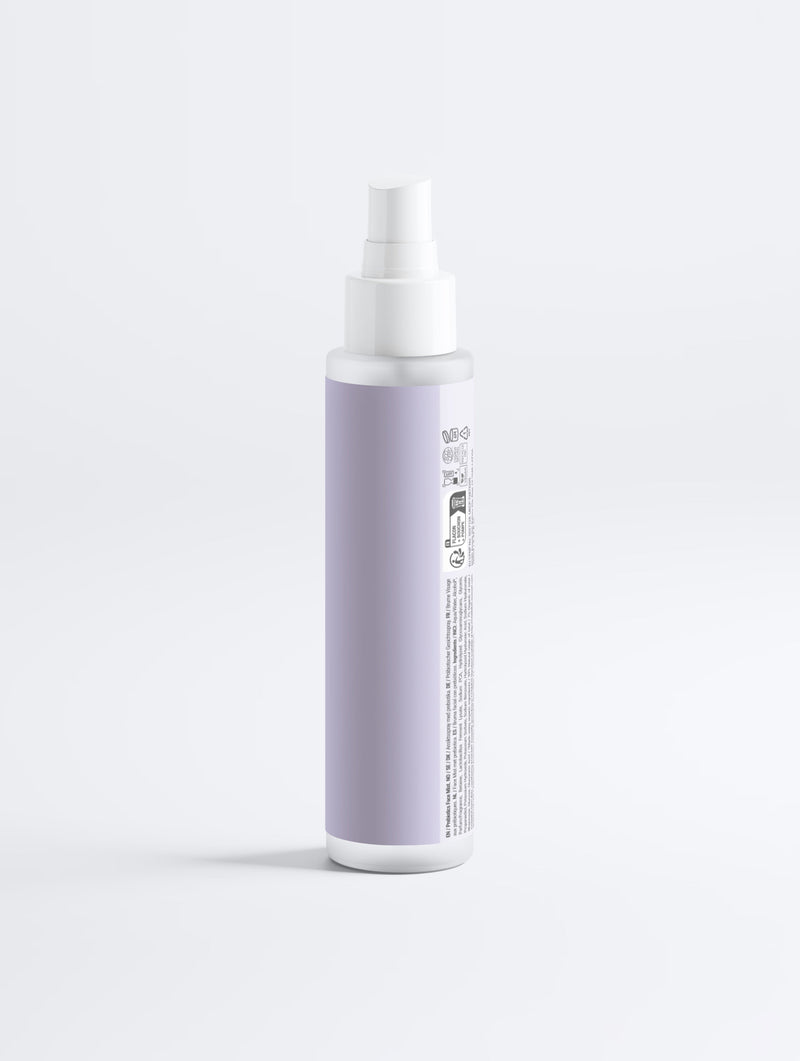
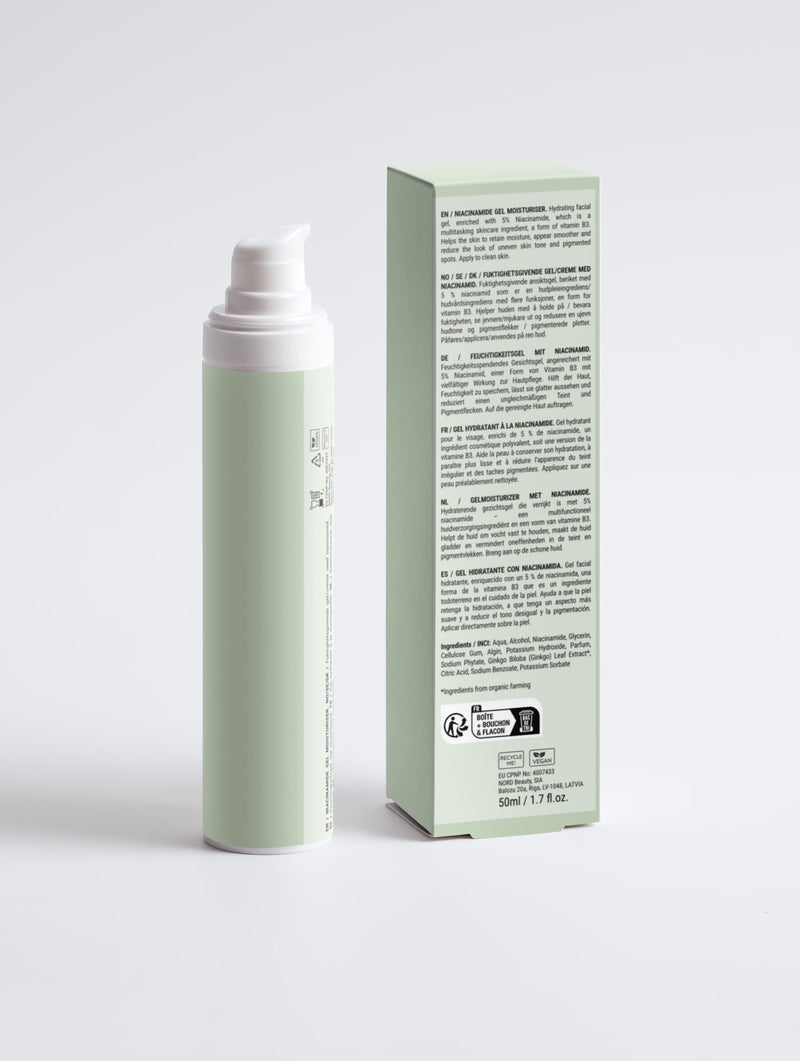
Hyaluronic acid is a molecule your skin already makes, and its main role is to hold water. It can bind many times its own weight in moisture, so a topical hyaluronic acid serum helps skin look plumper and feel more comfortable. In skincare it works on and within the upper layers of skin to keep them hydrated, which softens the look of fine lines and leaves the surface feeling smoother.
What is hyaluronic acid?
Hyaluronic acid, sometimes written as hyaluronan, is a substance found naturally in your skin, joints and eyes. In the skin it sits in the spaces between cells and acts a little like a sponge, drawing in water and holding it there. Skincare chemists call this kind of ingredient a humectant, which simply means it attracts moisture.
The amount your skin makes tends to fall over time, and everyday factors like dry air and indoor heating can leave the surface feeling tight. A topical serum is one way to top up hydration where skin looks and feels driest.
Is hyaluronic acid the same as fillers or injections?
This is the point that confuses a lot of people, so it is worth being clear early. Injectable hyaluronic acid, the kind used in dermal fillers, is a medical procedure carried out by a qualified professional. It is placed under the skin to add volume, and it is not what we are talking about here.

This article is about topical skincare, meaning products you smooth onto clean skin. A hyaluronic acid serum stays on and within the upper layers of the skin. It is not injected, and its effect is about how skin looks and feels rather than any change beneath the surface. If you are considering injectable treatments, speak to a qualified medical practitioner.
What does hyaluronic acid do for your skin?
Because it holds water so well, hyaluronic acid helps skin look fresher and feel more supple. Well-hydrated skin reflects light more evenly, so the complexion can look brighter and the look of fine lines softens. Skin also feels more comfortable, less tight and less prone to that rough, dehydrated texture.
It pairs nicely with a moisturiser too. Hydration and a comfortable skin barrier tend to go together, which is why hyaluronic acid features in so many everyday routines.
Topical hyaluronic acid works on the surface of skin, holding water where it looks and feels driest.
What do molecular weights mean?
You may see serums described by molecular weight, which is a way of talking about the size of the hyaluronic acid molecules. Larger, high molecular weight hyaluronic acid tends to stay on the surface, where it forms a light, smoothing film and holds water at the very top. Smaller, low molecular weight hyaluronic acid spreads more easily into the upper layers, so hydration feels a little deeper.

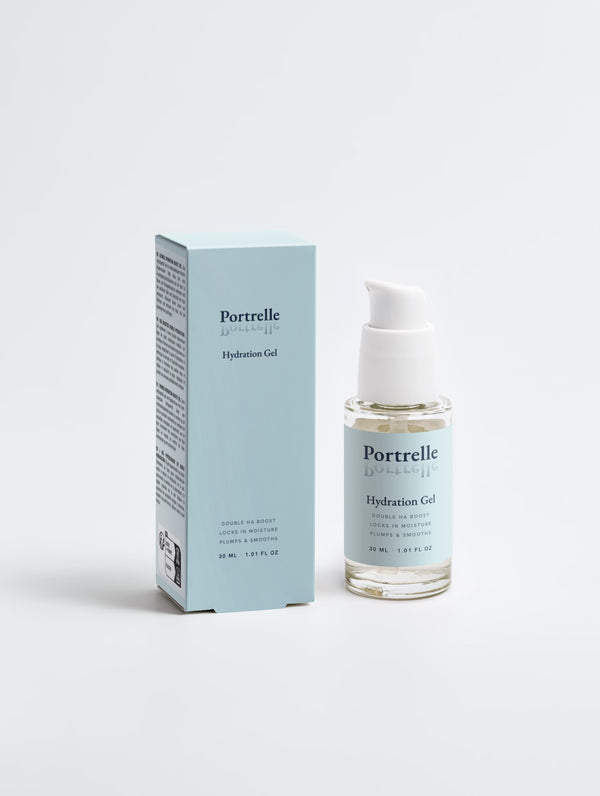
Neither is better on its own. Many formulas combine sizes so skin feels hydrated at more than one level. Our Hydration Gel uses a double hyaluronic acid boost in a lightweight gel, which is an easy way to get that layered feel in a single step.
How do you apply a hyaluronic acid serum?
Apply your serum to slightly damp skin, then seal it with a moisturiser. Because hyaluronic acid draws in water, giving it moisture to hold onto helps it work as intended, and the cream on top slows that water from escaping. On very dry days, or in heated indoor air, sealing the step matters even more.
- Cleanse, then leave skin a little damp.
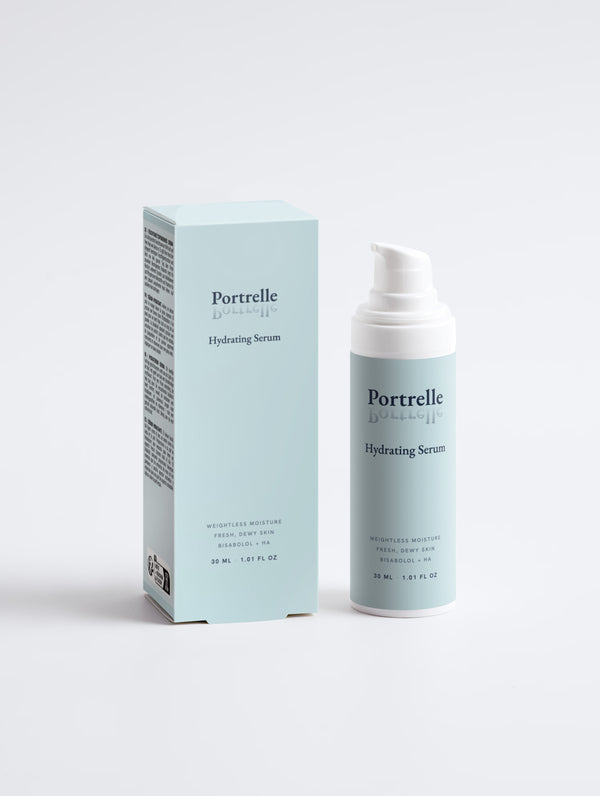
- Smooth on a few drops of Hydrating Serum.
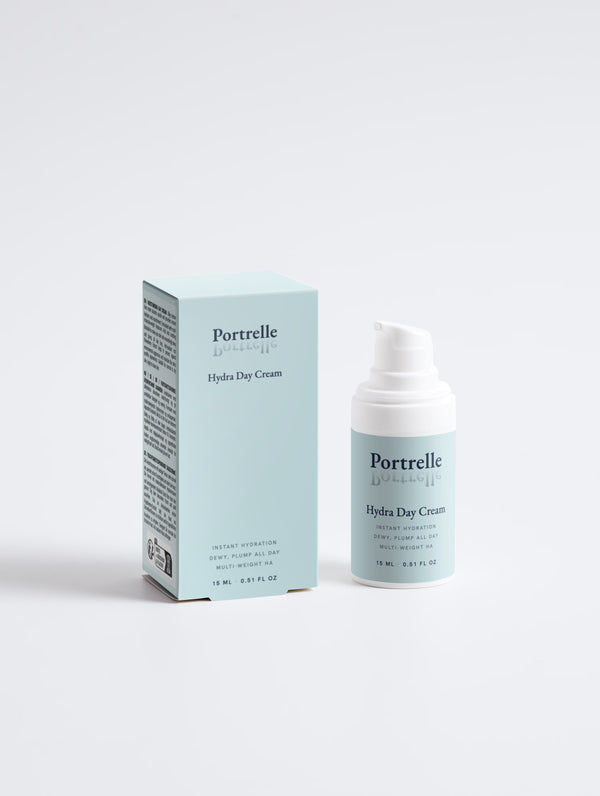
- Follow with a moisturiser such as our Hydra Day Cream to lock hydration in.
You can use hyaluronic acid once or twice a day, morning and evening. A Hydrating Toner beforehand gives the serum a little extra water to work with.
Serum or cream: which hydrating product do you need?
A serum delivers hyaluronic acid in a light, fast-absorbing base, while a cream sits on top to seal moisture in and keep skin feeling soft for longer. They do different jobs, so most people are happiest using both rather than choosing one. If you would like the steps matched for you, our Hydrate & Barrier Routine pairs a cleansing milk, the hydrating serum and a day cream in one set.
Who should use hyaluronic acid? Does it suit oily skin?
Hyaluronic acid suits almost everyone, including oily and blemish-prone skin. It adds water rather than oil, so it hydrates without feeling heavy or greasy, which is a common worry for people who already produce plenty of oil. Dry and mature skin tend to appreciate the extra moisture too.
Sensitive skin generally tolerates it well, though it is always sensible to introduce one new product at a time. If blemishes are persistent, painful or changing, a GP or dermatologist is the right person to see. Not sure where to start? Our find your ritual guide can point you to a routine that fits your skin.
Quick answers
Is hyaluronic acid safe to use every day?
For most people, yes, once or twice daily suits it well. Apply it to damp skin and seal with a moisturiser so it has water to hold.
Can hyaluronic acid replace my moisturiser?
Not really, as it works best with a cream on top. The serum draws in water and the moisturiser helps keep it there.
Does hyaluronic acid help oily skin?
Yes, it hydrates without adding oil, so it feels light on oily and blemish-prone skin. Look for a gel or a lightweight serum texture.
Is a hyaluronic acid serum the same as filler?
No, filler is an injectable medical procedure. A serum is topical skincare that works on the look and feel of the skin surface.
Read next
- Ceramides for Skin: Your Barrier's Building Blocks, Explained
- How to Support a Damaged Skin Barrier
- What Is a Face Serum, and Do You Actually Need One?
Experiential claims describe how skin looks and feels. Individual results vary.