A stressed skin barrier usually settles when you do less, not more. Strip your routine back to a gentle cleanse, a layer of hydration, and something rich to seal it in. Pause the strong actives for a while, wear SPF every morning, and give it time. Your skin does the recovering on its own. Your job is to stop irritating it so it can get on with the work.
Below are the signs to look for, the usual causes, and a simple support plan you can actually stick to.
Quick answers
What does a damaged skin barrier feel like?
Tight, stingy, and reactive. Products that never bothered you suddenly burn or prickle on contact. You might also notice flaking, rough patches, redness, or the confusing mix of breakouts and dryness at the same time.
What should you do first?
Simplify. Drop everything except a gentle cleanser, a hydrating layer, and a barrier-friendly cream. Put the acids, retinoids, and vitamin C to one side until your skin feels calmer. Fewer steps is the whole point.
How long until it feels normal again?
Skin renews over weeks, not days. Many people feel more comfortable within a week of simplifying, but the fuller sense of back to normal often takes three to six weeks. Slow and a little boring is the goal here.
Do I have to stop using actives completely?
Not forever, just for now. Give your skin a real break, then reintroduce one active at a time, a couple of nights a week, and watch how it responds before adding anything else.
How do you know if your skin barrier is damaged?
The skin barrier is the outermost layer that holds moisture in and keeps irritants out. When it is struggling, you tend to feel it before you see it. The classic signs:
- Tightness, especially right after cleansing.
- Stinging or burning when you apply products that used to feel fine.
- Flakiness, rough texture, or patches that look dull.
- Sudden sensitivity or redness that comes and goes.
- Breakouts and dry, tight skin at the same time, which feels contradictory but is common.
If you are trying to work out whether your skin is simply dry or actually short on water, our guide to dry versus dehydrated skin breaks down the difference, because the fix is not always the same.
What weakens the skin barrier in the first place?
Most barrier trouble is self-inflicted, and that is oddly good news, because it means you can change it. The usual suspects:
- Over-exfoliating. Daily acids, or a scrub that is a little too enthusiastic, wear the surface down faster than it can keep up.
- Too many actives at once. Retinol, vitamin C, and an exfoliant stacked in the same routine is a lot to ask of anyone's skin.
- Harsh cleansers. If your face feels squeaky and tight after washing, the cleanser is probably stripping more than it should.
- Weather and environment. Cold wind, dry indoor heating, and long hot showers all pull moisture out of the surface.

How do you support your skin barrier back to comfort?
You cannot force a barrier to mend on a schedule, but you can create the conditions that let it recover. Think support, not repair. The plan is deliberately dull.
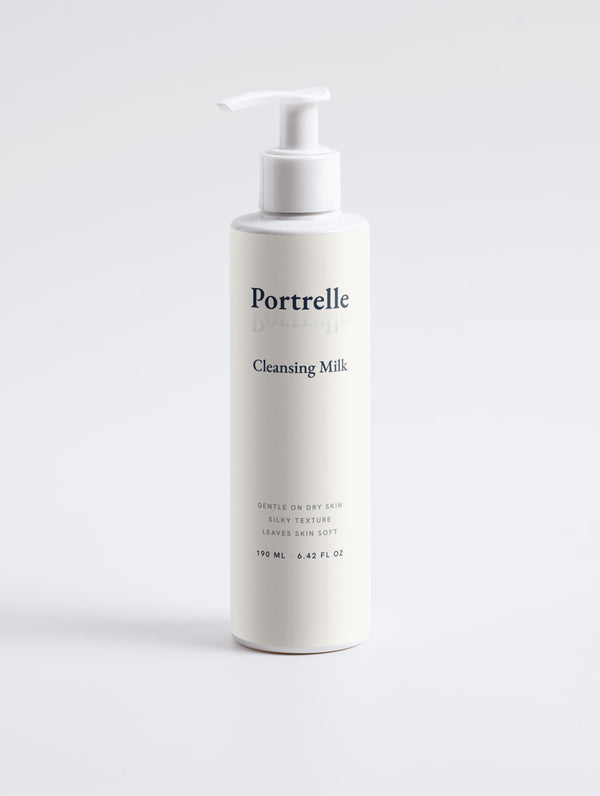
- Cleanse gently. Swap anything foaming or stripping for a mild, non-stripping wash. A gentle cleansing milk lifts the day off without leaving skin tight.
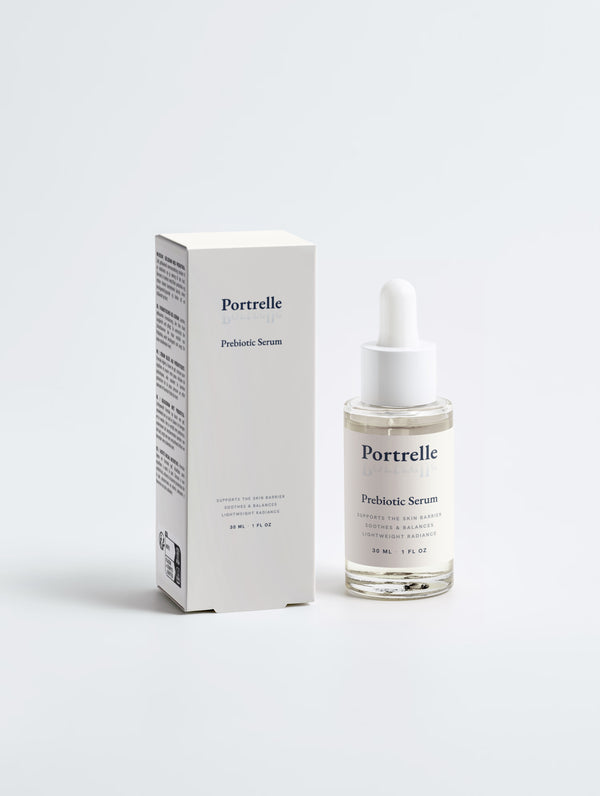
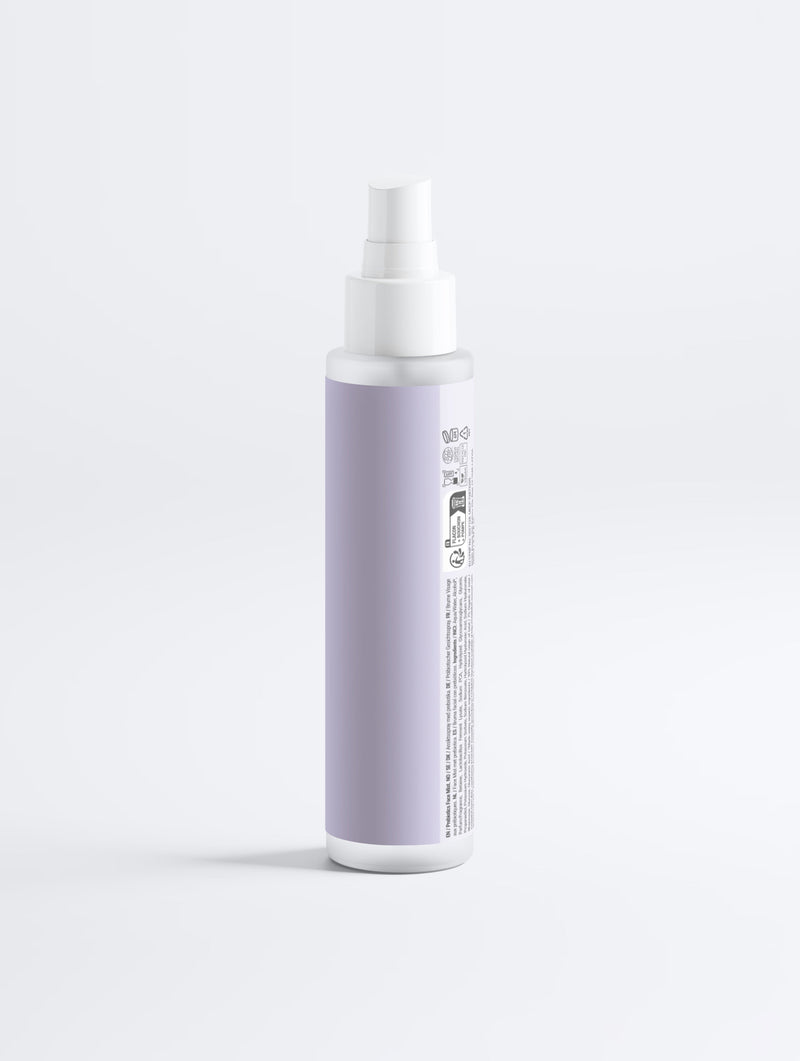
- Hydrate. On slightly damp skin, add a watery layer that pulls in moisture. Our prebiotic jelly serum pairs prebiotics with hyaluronic acid to help the skin feel plumper and calmer.
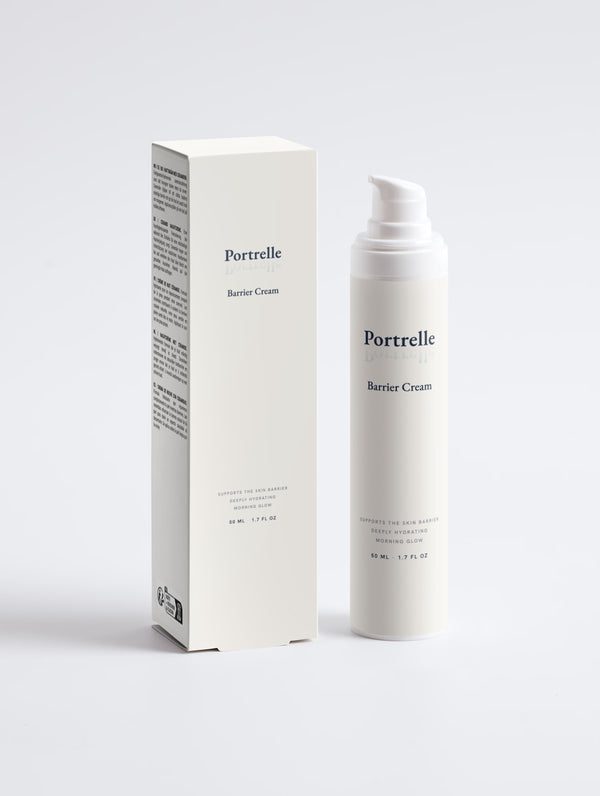
- Seal it in. Follow with something richer so hydration does not just evaporate. A ceramide-rich barrier night cream supports the skin barrier while you sleep. For very dry, uncomfortable skin, a fragrance-free nourishing cream is a kinder option again.
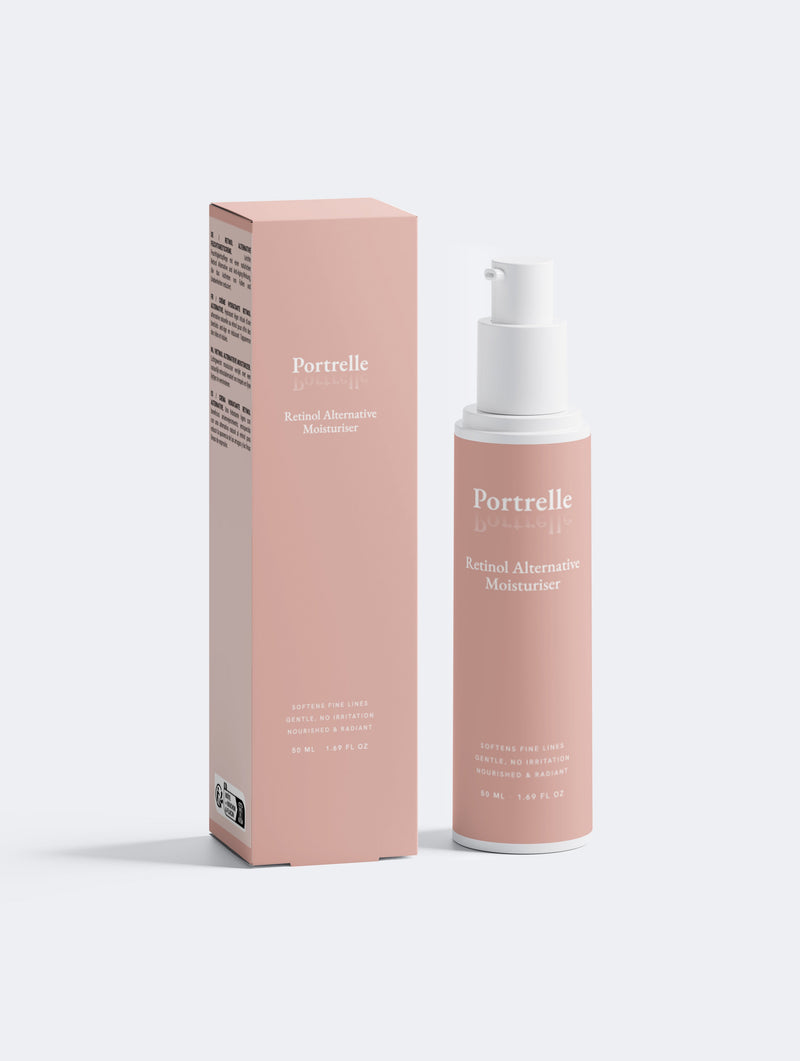
- Pause the strong stuff. Shelve acids, retinoids, and high-strength vitamin C until things settle.
- Wear SPF daily. A compromised barrier is more vulnerable to the sun, so protection every morning is not optional.
Supporting your barrier is mostly about doing less for long enough to let your skin catch up.
Once your skin feels comfortable again, reintroduce actives slowly. One at a time, a few nights a week, with a gap before you add the next. If a product stings on the way back in, that is your cue to wait a little longer. For a calmer everyday routine you can settle into, our routine for sensitive skin walks through it step by step.
Which ingredients support the skin barrier?
A few ingredients are worth knowing by name, because they turn up again and again for good reason.
Ceramides are lipids that naturally sit in the skin's surface and help it hold together. Topping them up supports that structure, which is why they anchor our barrier cream. Prebiotics are there to support the skin's own microbiome, and in our jelly serum they help the barrier feel stronger and less reactive. Hyaluronic acid, shea butter, and aloe handle the hydrating and soothing side of things.
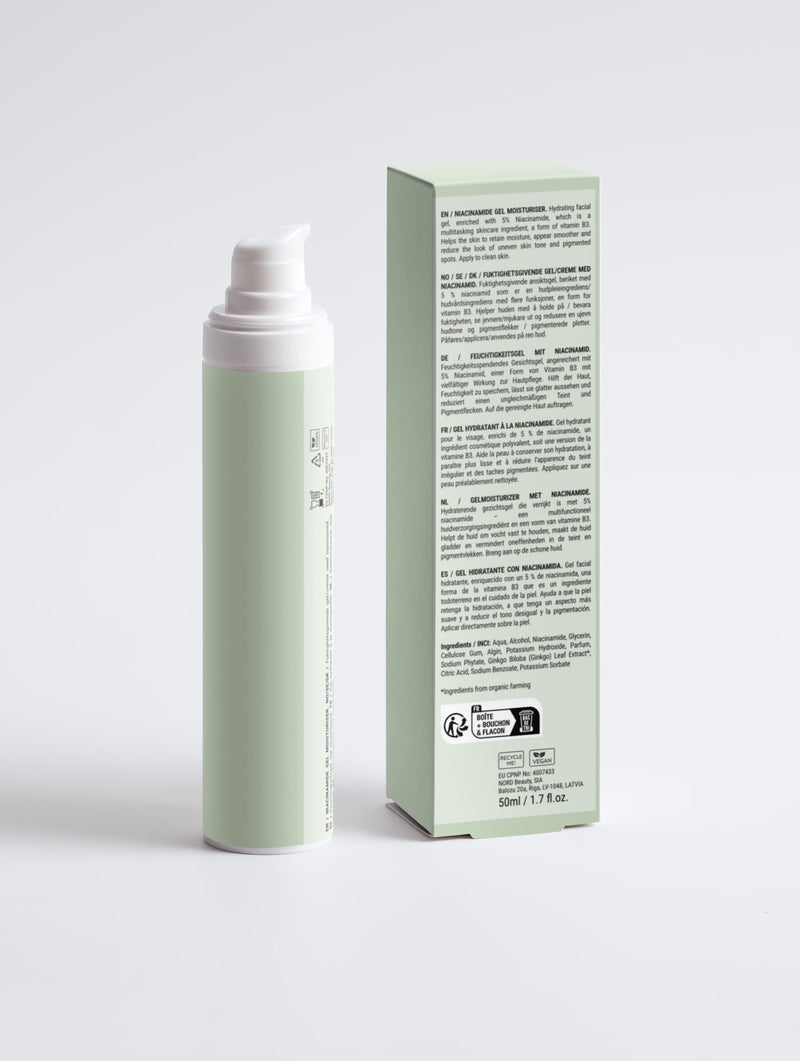
Honesty time. You will see a lot of cica and centella products sold specifically for barrier repair, and niacinamide gets the same treatment. Both are perfectly good, well-studied ingredients. We do not make a dedicated version of either. We would rather lean on ceramides and prebiotics that we can stand behind than add a trending hero ingredient for the sake of it. If a centella product already works for you, there is no reason to drop it.

How long does it take for your skin to recover?
Longer than you would like, and that is normal. Skin turns over on a cycle of several weeks, so the surface you are feeling today was built a while ago. Most people notice their skin feels less tight and reactive within a week or so of simplifying. The steadier, this feels like my skin again stage usually lands somewhere in the three to six week range. Consistency does more here than any single product.
If the dryness itself is your main concern, our piece on what helps dry skin on the face covers the day-to-day habits that keep it comfortable.
When should you see a doctor?
Skincare has limits, and knowing them is part of looking after yourself. If redness, itching, or soreness persists, spreads, or keeps coming back despite a gentle routine, see a doctor or dermatologist. The same goes for anything that looks like an actual skin condition, or for questions about melasma, scarring, or how a medication is affecting your skin. That is a conversation for a professional, not a night cream.
Experiences vary from person to person. This article is for information only and is not medical advice. If you have a persistent skin concern, please speak to a doctor or dermatologist.