Panthenol is pro-vitamin B5, a water-loving ingredient your skin converts into pantothenic acid once it goes on. People search for what does panthenol do, and the honest answer is short: it works as a humectant, so it draws in and holds water, and it leaves skin feeling soft, smooth and calm. That comfortable feel is why panthenol turns up in creams, body lotions, shampoos and after-sun.
Quick answers
What does panthenol do for skin?
It behaves as a humectant, which means it helps skin hold on to water at the surface. On contact it is converted to pantothenic acid, part of the vitamin B5 family. What people tend to notice is skin that looks smoother and feels softer and less tight, especially when it has been dried out by wind, cold or sun.
Is panthenol harmful?
For most people, no. Panthenol is considered one of the most tolerable and widely used ingredients in cosmetics, and reactions to it are rare. If your skin is very reactive, patch test any new product first, and check with a pharmacist or doctor if you have a known allergy.
What is panthenol cream?
It is simply a cream or ointment that lists panthenol high up, often to give a soft, soothing feel to dry or weather-exposed skin. You will see it in face creams, hand creams and after-sun. The texture and the rest of the formula matter just as much as the panthenol itself.
What is D-panthenol?
D-panthenol is the form of panthenol that matches the vitamin B5 your body uses, and you may also see it written as dexpanthenol. Many labels just say panthenol. For everyday skincare, the practical feel on skin is much the same across these names.
What is panthenol (pro-vitamin B5)?
Panthenol is the alcohol form of pantothenic acid, better known as vitamin B5. The pro-vitamin part means it is a precursor: once it sits on skin or hair, it converts into the active vitamin. On an ingredient list you will find it written as panthenol, D-panthenol or dexpanthenol.
Formulators reach for it because it is small, stable and mixes easily into both watery and creamy textures. Skin responds to it because it acts as a humectant and leaves a cushioned finish. It has been in cosmetics for decades, which is part of why it feels so familiar and so well tolerated by most people.

What does panthenol do in creams, shampoo and after-sun?
In skincare, panthenol earns its place through feel. As a humectant it helps the surface of the skin stay hydrated, so the complexion looks smoother and feels less tight. In after-sun it is a favourite, because warm, sun-exposed skin appreciates that light, calming, softening quality at the end of a long day outdoors.
You will also spot panthenol in shampoos and hair sprays. There the intent is different: on hair it is used for a smoother, more manageable and shinier look. That hair story is worth a quick mention, since so many searches mix the two uses, but for the rest of this piece we are staying on skin.
Because it is so easygoing, panthenol pairs well with almost anything. It sits happily under a moisturiser, alongside hyaluronic acid, or in a formula topped with richer, more occlusive ingredients that seal that water in. You do not need to build a routine around it. It quietly does its soft, humectant work wherever it happens to be.
One thing to be honest about: panthenol does not rebuild your skin's own structure. It makes the surface feel better and holds water at the top layer. If your goal is the look and feel of a stronger, calmer barrier over time, that job leans on other ingredients, which we come to below.
Is panthenol harmful or safe for sensitive skin?
This is the worry behind a lot of searches, usually some version of is panthenol harmful, and it is a fair thing to ask. The reassuring part is that panthenol is regarded as one of the gentlest, most broadly used ingredients in cosmetics. It appears in products aimed at dry skin and sensitive skin precisely because it is so well tolerated, and genuine reactions are uncommon.
Sensitive and dry skin, the intent behind panthenol peau sensible and panthenol peau seche in French searches, often do well with humectants like this. Even so, no single ingredient is right for everyone. If you know you react to a specific substance, or you are managing a skin condition, the honest move is to patch test and to ask a pharmacist, doctor or dermatologist rather than self-diagnose. If calm is your main goal, our routine for calmer sensitive skin is a gentler place to start than any single hero ingredient.
Does Portrelle use panthenol?
Here is where we keep it straight with you. We have not built our line around panthenol, and we do not claim any Portrelle product contains it. It is a lovely, dependable ingredient, and we are glad to explain it fairly, but we are not going to borrow its reputation for formulas that reach the same comfortable-skin goal in a different way.
We would rather tell you exactly what is in our formulas than lean on the glow of an ingredient we have chosen not to use.
That is the whole point of this Journal. An explainer should still be useful when the answer is not one of our own products, and this one is: panthenol is a solid, well-tolerated humectant, and now you know what it does and why it is everywhere.

How Portrelle supports soft, comfortable skin instead
If what you actually want is skin that feels soft, calm and less tight, panthenol is one route to that feeling, and it is not the only one. Our route uses prebiotics, ceramides and hyaluronic acid, chosen to support the look and feel of a comfortable, resilient barrier. Hyaluronic acid is a humectant too, so it plays a similar water-holding role that people often associate with panthenol.
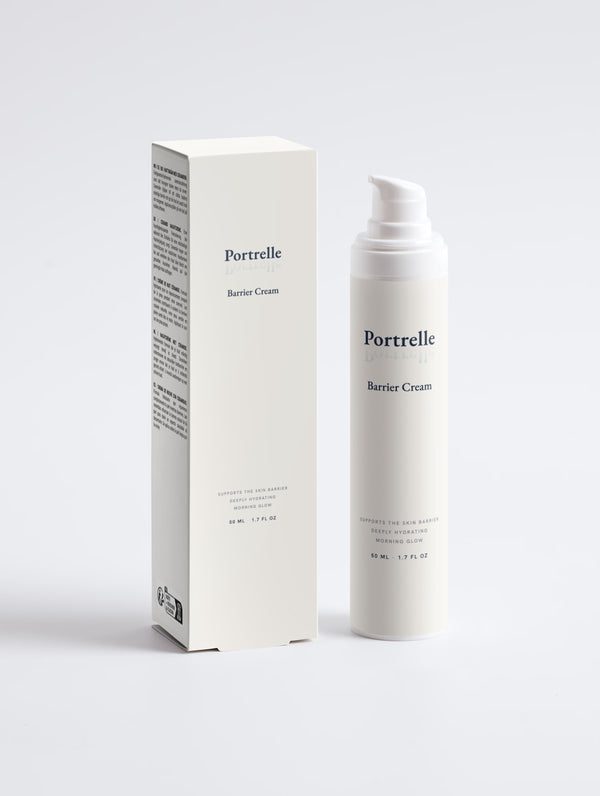
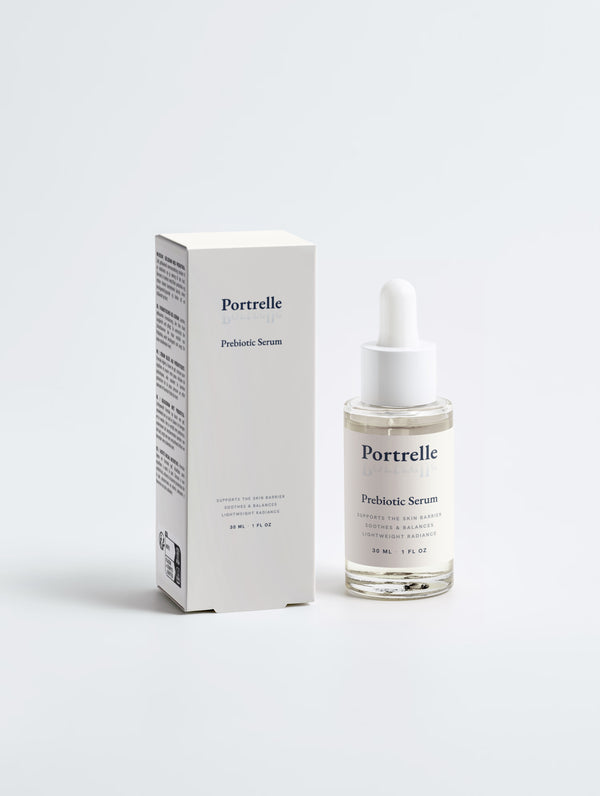
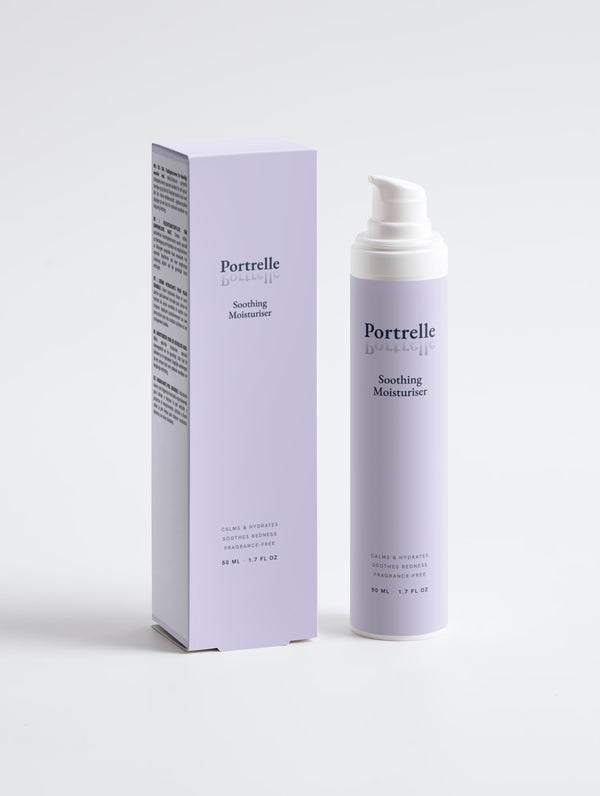
Our Barrier Cream is a night cream with ceramides, hyaluronic acid, shea butter and aloe, made for that overnight, cushioned feel. The Prebiotic Serum is a jelly serum with prebiotics and hyaluronic acid, a lightweight layer of water-binding comfort. And our Soothing Moisturiser is a fragrance-free option built for sensitive skin. If you want the background, our guide to ceramides explains why they matter, and our skin barrier guide walks through the bigger picture of keeping skin comfortable over time.
This article is for general information and is not medical advice. If you have a skin concern or a known allergy, please speak with a pharmacist, doctor or dermatologist.