Both SPF30 and SPF50 protect your skin well. The gap between them is smaller than the label suggests, and it matters far less than the one thing most guides skip: how much you actually put on. So here is the honest answer to spf 30 of 50. Pick a texture you will happily wear every single day, apply it generously, and reapply in real sun. Both of our sunscreens are mineral and broad spectrum, so the choice really comes down to habit, not chemistry.
Quick answers
What is the difference between SPF 30 and 50?
SPF measures protection against UVB, the rays most linked to sunburn. Under lab conditions, SPF30 filters roughly 96 to 97 percent of UVB and SPF50 roughly 98 percent. The step up is real, but small.
Which SPF do I need for my face?
For everyday city life, SPF30 on your face is a sensible baseline. For long days outside, holidays, or sun-sensitive skin, SPF50 gives you more margin. Either way, the amount you apply matters more than the figure on the tube.
Is SPF 30 or 50 better?
The best SPF is the one you will actually wear every day, generously. A well-applied SPF30 protects better than an SPF50 you rush or spread too thinly. Consistency wins.
When should I choose SPF 50 over 30?
Reach for SPF50 on long outdoor days, on spring and summer holidays, and if your skin is fair, sun-sensitive, or prone to dark spots. For short, everyday exposures, SPF30 is usually plenty.
What does the SPF number actually measure?
The SPF number is a UVB protection factor measured in a lab. It tells you how well a sunscreen shields against UVB, the part of sunlight most linked to burning. On paper the difference is modest: SPF30 filters around 96 to 97 percent of UVB, while SPF50 filters around 98 percent. Neither blocks everything, and no honest sunscreen ever will.
One thing the number does not tell you is UVA protection. UVA reaches deeper and plays a big role in how skin looks as it ages. That is covered by a separate label: broad spectrum. In Belgium the sun is worth respecting even on grey days, because UVA passes through cloud and glass. Both Portrelle sunscreens are mineral and broad spectrum, so you are covered on both fronts. If you want the full case for daily use, our guide to wearing face SPF every day walks through the why.
SPF 30 or 50: why the amount matters more than the number
Here is the part most articles bury. The SPF on the box is measured with a thick, even layer, about 2 milligrams per square centimetre of skin. For a face and neck that works out to roughly two fingers' worth, a level of product most people find surprisingly generous. Almost nobody applies that much. Real-world layers tend to be a third to a half of the tested dose.
Apply less, and your real protection drops below the label, for any SPF. This is why a thin smear of SPF50 can end up protecting your skin less than a proper, generous layer of SPF30. The number on the tube is a ceiling you only reach if you apply like the lab does.
So the practical rule is simple. Choose a formula whose texture you genuinely like, because you will use more of it and use it more often. Apply a full, even layer as the last step of your morning routine, and give a mineral formula a moment to settle. Then reapply every two hours in real sun, and after swimming, sweating, or towelling off.

When is SPF 50 the smarter pick?
SPF50 earns its place when your skin is going to see more sun, or when your skin asks for a little extra care. A few clear cases:
- Long days outdoors: hikes, terraces, festivals, gardening, sport.
- Spring and summer holidays, especially near water, sand, or snow, which bounce light back at you.
- Fair or sun-sensitive skin that colours or reacts quickly. If sun tends to leave your skin uncomfortable or itchy, our notes on what helps with sun allergy may be useful.
- When you care about the look of dark spots. Sun exposure tends to make pigmentation more visible, so higher, consistent protection supports a more even-looking tone. If you are working on melasma or marks left behind after a blemish, see what actually helps with melasma.
When is SPF 30 enough?
SPF30 is a comfortable, sensible choice for ordinary days. Think of the commute, the desk by the window, errands, the school run, coffee outside. For short and scattered exposures like these, SPF30 gives solid everyday cover, especially when you apply a proper layer and top up if you end up outside longer than planned. It also tends to feel lighter under makeup, which makes it easier to wear without thinking. The easiest sunscreen to keep up with is usually the one that fits quietly into the routine you already have.

Which SPF is best for your face?
The best SPF for your face is the one you will actually reach for every day. To make that easy, here is how our three sun formulas fit into real life:
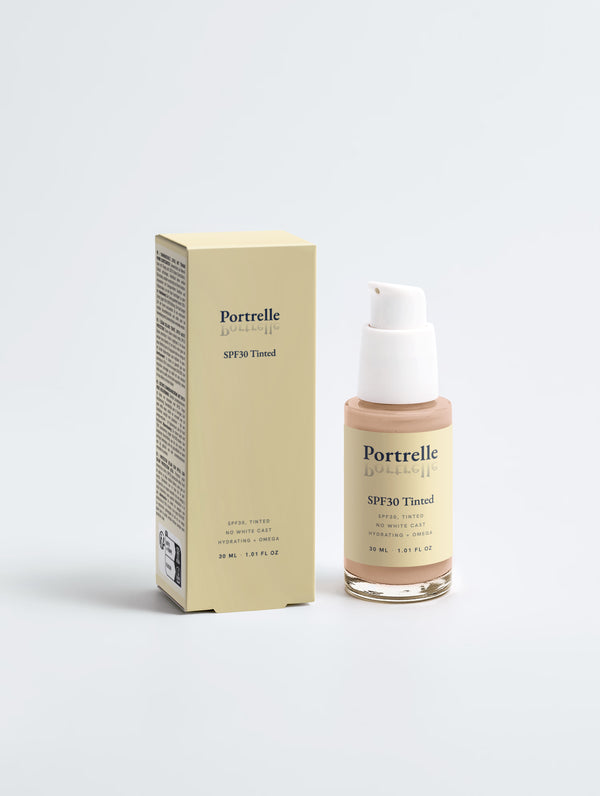
- SPF30 Tinted: a tinted mineral SPF30 for daily wear. The light tint doubles as a finishing step, so it can sit under makeup or replace it on low-key days.
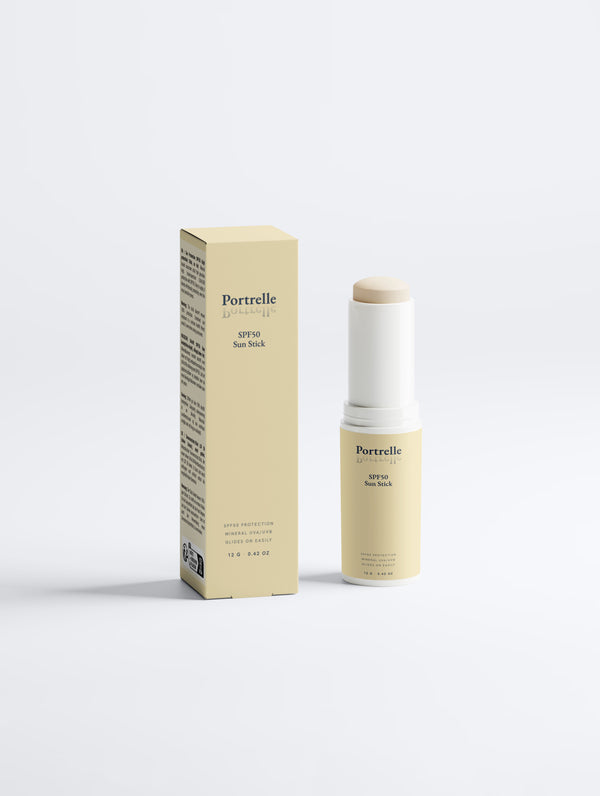
- SPF50 Sun Stick: a mineral broad-spectrum stick with no tint. It makes high protection easy to reapply on the go, over makeup, on ears, hairline, and shoulders.
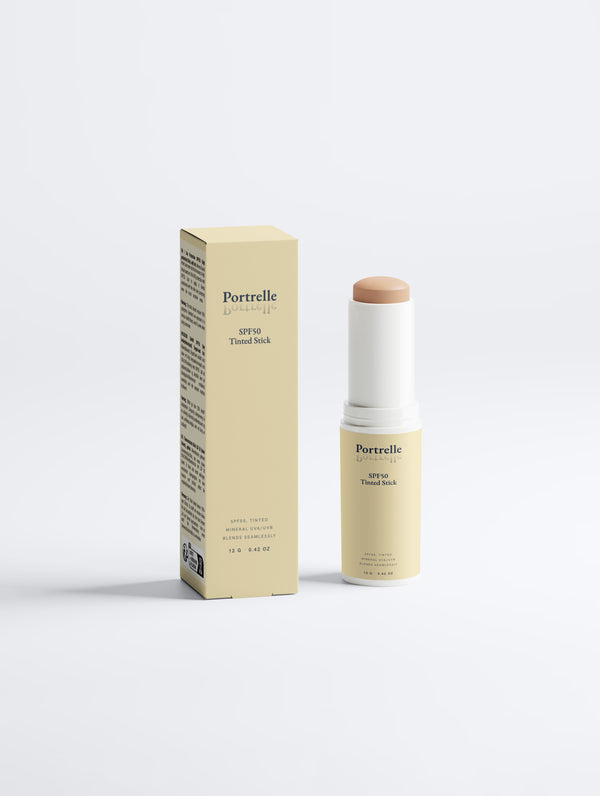
- SPF50 Tinted Stick: the same high protection in stick form, plus a tint for a little glide-on coverage where you want it.
We keep this range deliberately simple. We do not make a spray or a chemical-filter version, so everything here is mineral and broad spectrum. That means you can choose by texture and tint, not by chasing the biggest number on the shelf.
The best sunscreen is the one you reach for without thinking, applied like you mean it. A generous SPF30 will look after your skin better than a stingy SPF50, every single day.
If your day is short and mostly indoors, SPF30 tinted is a lovely default. If the sun is out and you are in it, or you are watching the look of dark spots, step up to SPF50 and keep a stick in your bag for easy top-ups. Whichever you choose, the winning move is the same: enough product, every morning, reapplied when it counts.
This article is for general information and is not medical advice. If you have persistent dark spots, a skin reaction, or any concern about your skin, speak to a doctor, pharmacist, or dermatologist.