Aftersun does two simple things: it cools hot skin down, and it helps put back the water that sun and heat pulled out. It does not undo a burn, and there is nothing magic in the bottle. Here is the honest part up front. At Portrelle we do not sell a product with the word aftersun on the label, and below we explain why, then walk through what your skin genuinely needs once you come in from the sun.
Quick answers
What does aftersun do?
Aftersun cools the skin and adds hydration after time outdoors. That is most of the job. It can leave skin feeling calmer and more comfortable, but it does not reverse a burn or erase sun damage.
How does aftersun work?
Mostly through cooling and water. A cool, hydrating layer lowers that hot, tight feeling and helps skin hold on to moisture while it settles. Soothing ingredients like aloe and ceramides support the skin's comfortable feel.
How often should you apply aftersun?
As often as your skin feels tight, warm or dry. For most people that means a few times on the first evening, then morning and night for a few days. Let comfort guide you rather than a fixed number on a label.
How long should you keep using aftersun?
Usually a few days, until skin stops feeling tight and dry. Keep hydrating for as long as it helps, and return to your normal routine once your skin feels like itself again.
Why doesn't Portrelle sell an aftersun?
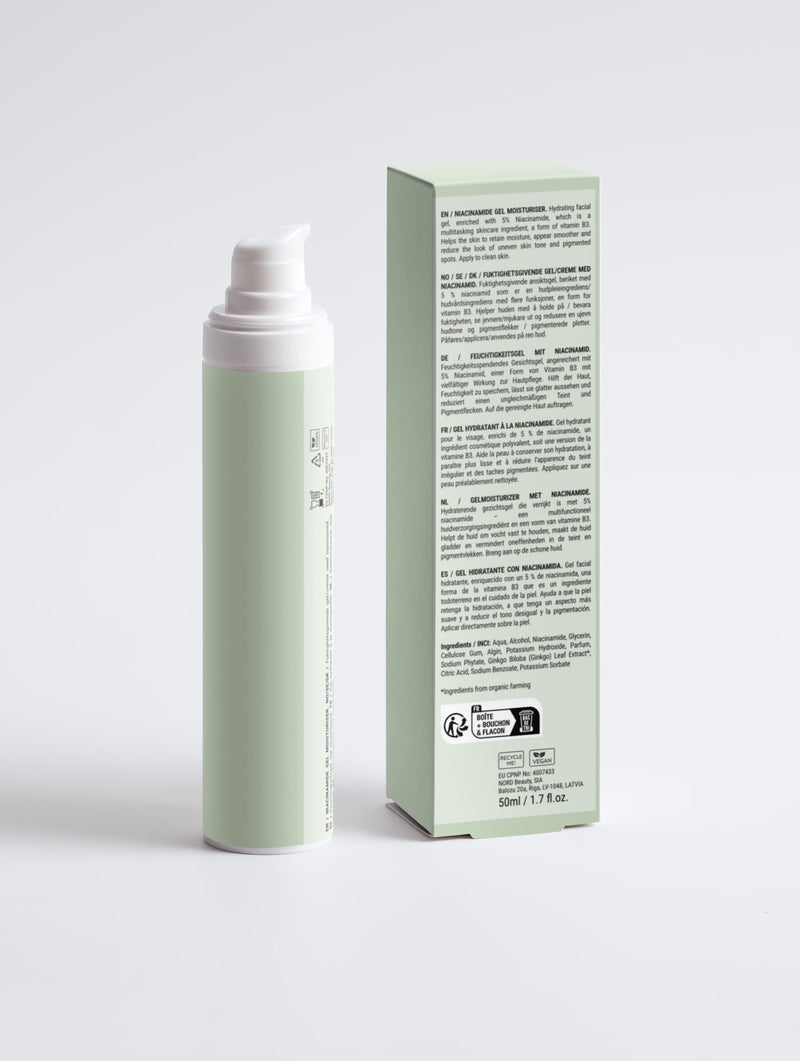
Because aftersun is more of a marketing category than a real skincare need. The word promises rescue, but post-sun skin does not need a special bottle. It needs four ordinary things: to cool down, to rehydrate, to feel comfortable, and to be left alone by strong actives for a few days. We would rather be honest about that than sell you a green gel with a summer label and a rescue story attached.
So instead of an aftersun, we make a few products that each do one of those jobs well. You can use them together after a beach day, or on any warm evening when your skin feels flushed and thirsty. No single word on a bottle is doing the work here. The steps are.
What does your skin actually need after the sun?
Think of it as four small steps rather than one hero product. None of them are complicated, and most of them you may already own.
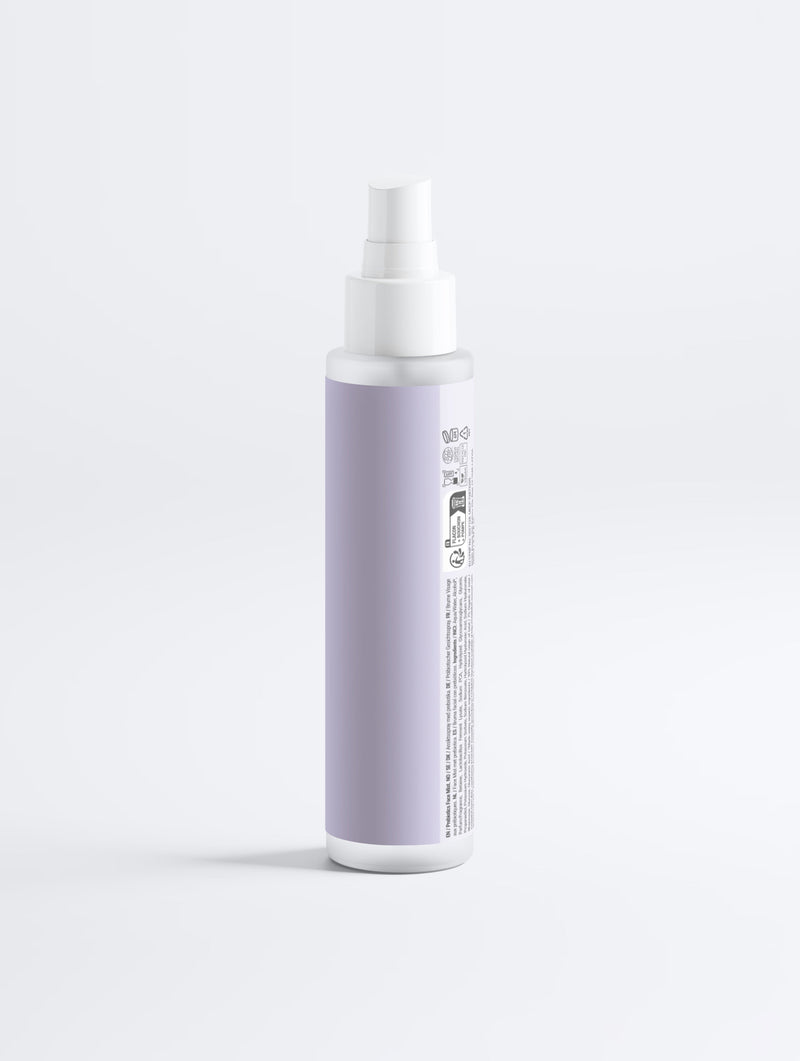
Cool it down first. Start with a lukewarm shower, not a cold one, then a light mist to take the heat out. Our Soothing Mist is a prebiotic face mist made to cool and refresh, which is exactly what hot skin is asking for in that first hour. Cooling is comfort, and comfort is most of what people mean when they reach for aftersun in the first place.
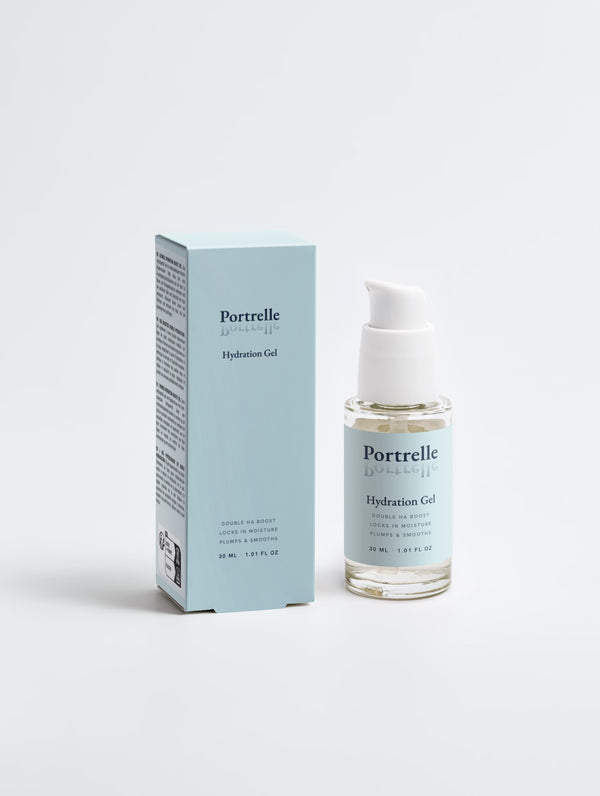
Then hydrate, properly. Sun, wind and heat leave skin dehydrated, which is not the same as dry. Dehydrated skin is short on water and feels tight; dry skin is short on oils. If you are not sure which one you are dealing with, our guide on dry versus dehydrated skin untangles it clearly. After sun, water is the priority, so a humectant layer helps most. The Hydration Gel is a hyaluronic acid boost gel that draws water into the skin, and if you want the plain science behind it, we wrote about how hyaluronic acid actually works.

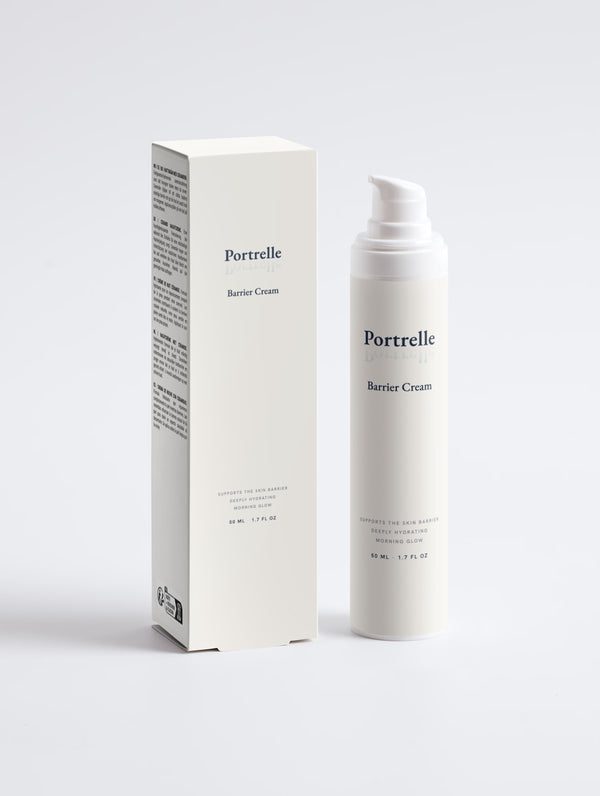
Comfort the barrier. Sun leaves the skin barrier feeling fragile, so this is the moment for calm, familiar ingredients rather than a crowded routine. Aloe and ceramides are the classics here for good reason. Our Barrier Cream brings ceramides, hyaluronic acid, shea butter and aloe together into one comfortable layer for the evening. Skip the heavily fragranced products for now, since a stressed barrier does not need anything extra to react to. If your skin feels genuinely rough after a hard summer, our skin barrier guide covers the slow, gentle way back to comfort.

Give strong actives a few days off. This is the step people skip. After sun, park your exfoliating acids, retinoids and vitamin C for a few days while skin recovers its comfortable feel. Piling actives onto warm, tight skin usually makes it feel worse, not better. Plain hydration and barrier comfort do more in that window than any active could, so keep the routine short and kind until skin settles.
How often should you reapply aftersun?
The honest answer to how often to apply aftersun is this: whenever your skin feels tight, warm or dry, and no more often than that. On the first evening you might reach for a cool mist and a hydrating layer several times. Over the next few days, morning and night is usually plenty. There is no fixed number that suits every skin, so listen to how yours feels instead of counting applications. If the tight feeling has faded, you can ease off.
Aftersun is comfort, not a cure. The real protection happens before you step outside, with sunscreen.
When is sunburn a job for a doctor, not skincare?
This part matters, so we will be plain. Skincare is for mild redness and that tight, warm feeling. It is not for a real burn. If skin blisters, if there is fever, chills, headache or nausea, or if a large area is badly burnt, that is an injury, and the right call is a pharmacist or a doctor. The same goes for a young child who is burnt: please see a professional rather than reaching for a face cream. No aftersun, ours or anyone else's, is built for that.
What actually prevents sun damage?
Here is the part the aftersun aisle would rather you forgot. Sun damage is cumulative. It builds up quietly over years, and nothing you apply afterwards undoes it. The genuine hero of this whole story is prevention, which means daily sunscreen, reapplied through the day, long before your skin ever feels hot. Our guide to wearing SPF every day explains why it is worth the small habit, and for faces and easy top-ups we make a mineral SPF50 Sun Stick that is simple to keep in a bag. Aftersun can make a long day feel better in the evening, and that comfort is real and worth having. But it is the sunscreen you put on in the morning, not the gel you reach for at night, that actually looks after your skin over a lifetime.
Read next
Experiences vary from person to person, and this article is for information only, not medical advice. If you are worried about a burn or a reaction on your skin, please speak to a pharmacist, doctor or dermatologist.