Sun allergy, known in medicine as polymorphic light eruption or PMLE, is a rash of itchy bumps or small blisters that appears hours to days after your skin meets the first strong sun of the year. It shows up most often on the chest, the arms and the neck. It is a genuine medical condition, so the honest job of this article is to explain it and point you to the right help, not to sell you a fix.
Skincare can make irritated skin feel more comfortable. It cannot prevent or treat PMLE. If a rash is severe, spreading or frightening, that is a conversation for a doctor, not a moisturiser.
Quick answers
What does sun allergy look like?
Usually small itchy bumps, tiny raised spots or little blisters, sometimes in patches that feel rough or warm. It tends to land on skin that was covered all winter and suddenly sees the sun: chest, neck, forearms, the tops of the hands. The face is often spared because it gets light all year.
How long does sun allergy last?
Once you are out of strong sun, a flare usually settles over a few days to a week or two. Many people also notice it eases as summer goes on and the skin adapts, an effect sometimes called hardening. If it lingers or keeps returning, see a doctor.
What can you do about sun allergy?
Get out of the sun, cool the skin, and keep your hands off it. Cool showers, a light fragrance-free moisturiser and loose clothing help the skin feel calmer. Scratching makes everything worse and slower.
How do you help prevent it?
Build spring sun exposure gradually rather than going from pale to a full beach day. Use broad-spectrum SPF and cover up with clothing and shade. Be honest with yourself, though: SPF alone does not always prevent PMLE, because UVA plays a big role.
What does PMLE actually look and feel like?
PMLE is your skin reacting to a sudden jump in ultraviolet light, usually in spring or on the first sunny holiday. The word polymorphic means it takes many forms, so it does not look identical on everyone. Common signs are clusters of small itchy bumps, raised patches, or tiny fluid-filled blisters, often with a prickly or burning feel.
It favours areas that have been hidden through winter, which is why the chest, the neck, the shoulders and the outer arms are typical spots. Because your face meets daylight all year, it often reacts less. That is a pattern, not a rule, so trust what your own skin is doing.
How long does a sun allergy flare last?
The reassuring part is that PMLE is usually self-limiting. When you step out of intense sun, the bumps tend to fade over several days, and most flares clear within a week or two. A lot of people find that repeated, sensible sun exposure across the season makes the skin less reactive, the hardening effect. That is not a promise, and it does not happen for everyone, so do not push through a bad reaction hoping the skin will simply toughen up.
How can you reduce the odds of a flare?
The single most useful habit is pacing. Let spring sun in slowly, a little more each week, instead of one long first exposure. Clothing, hats and shade do real work here, often more than a bottle can.
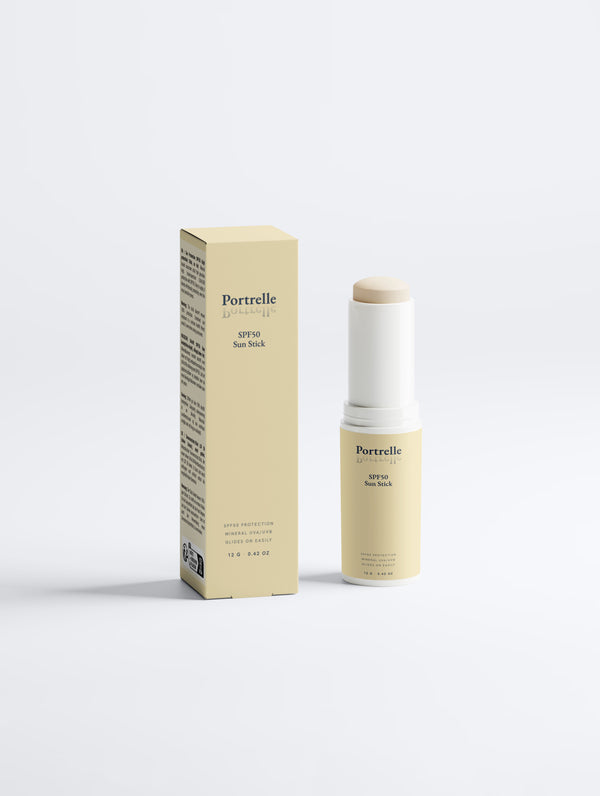
Sunscreen still belongs in the plan. Choose broad-spectrum protection so you are covering UVA as well as UVB, and reapply properly. A mineral option like our SPF50 Sun Stick is easy to top up on the go, and a tinted mineral SPF30 suits days when you want a little coverage too. Wearing face SPF every day is a sensible baseline for skin comfort in general.
Here is the honest caveat. SPF alone does not reliably prevent PMLE, because UVA drives a lot of the reaction and no sunscreen blocks every ray. Treat sunscreen as one sensible layer, not a force field.

Sunscreen is sensible, not a shield. With sun allergy, the honest moves are pacing your spring sun and letting a doctor handle the rest.
What soothes the feeling of irritated skin?
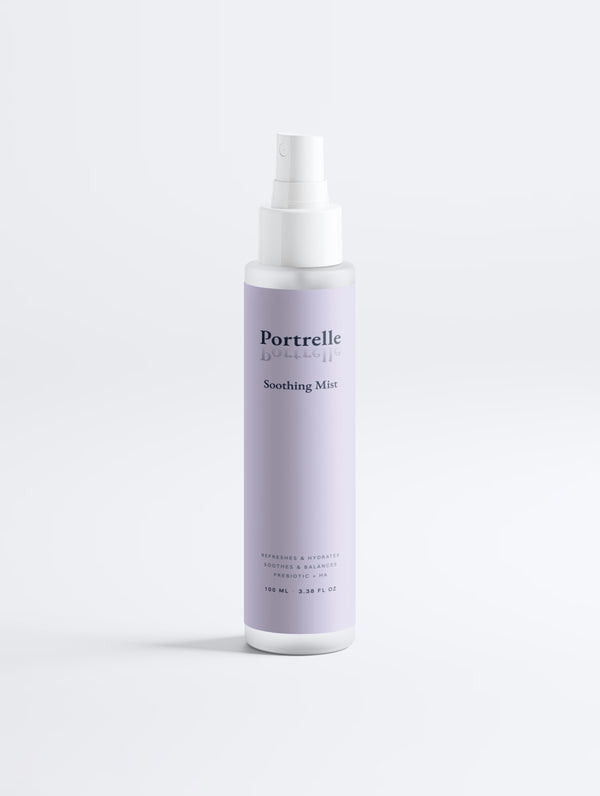
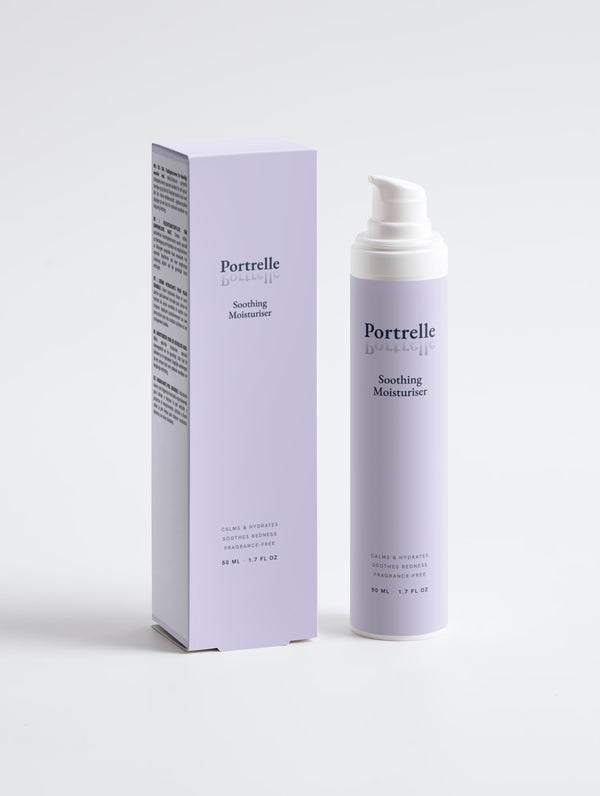
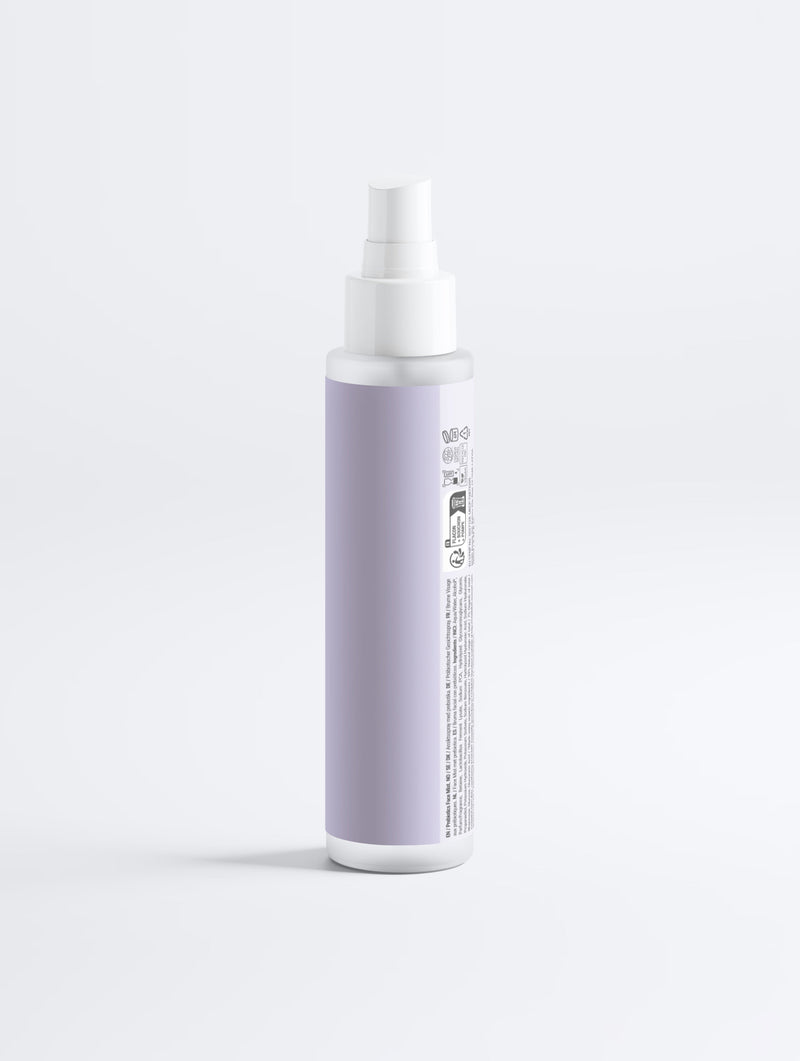
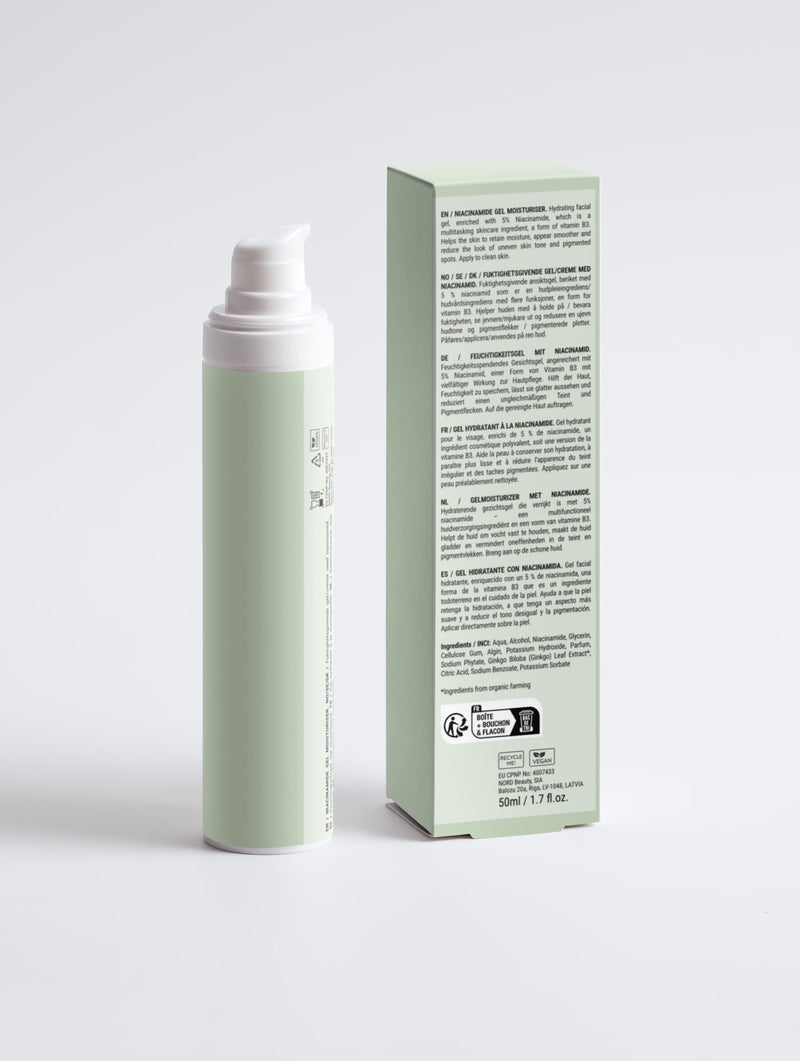
When skin is hot and itchy, comfort is the goal. A cool shower brings the temperature down. A refreshing spritz can help skin feel calmer in the moment: our prebiotic Soothing Mist is cooling and light, and easy to keep in a bag. Follow with a simple, fragrance-free moisturiser like our Soothing Moisturiser so the skin barrier feels supported rather than stripped.

Keep the rest of your routine plain while skin is reactive: no scrubs, no strong actives, nothing heavily fragranced. Our notes on a calmer routine for sensitive skin and on what skin needs after sun both lean the same way. And the oldest advice still holds: try not to scratch, however tempting it is.
Is a sunscreen reaction the same as a sun allergy?
No, and it is worth telling them apart. PMLE is a reaction to ultraviolet light itself. A reaction to a specific sunscreen is usually a contact reaction to something in that particular product, and it tends to appear exactly where you applied it. If a new SPF stings, itches or leaves a rash on the precise areas you smoothed it onto, the product is the likelier culprit.
In that case, switching to a simpler, fragrance-free, mineral formula often helps, and a patch test on the inner arm before full use is a smart, low-cost check. If you are unsure which one you are dealing with, a pharmacist or doctor can help you work it out.
When should you see a doctor?
Please do not tough this out alone if any of the following apply. See a GP, pharmacist or dermatologist when:
- the rash is severe, spreading, or blistering badly
- there is swelling of the face, or you feel unwell or feverish
- it is your first episode and you are not sure what it is
- it is happening to a child
- it keeps coming back and ruining your summer
A doctor has real options that skincare does not, and they can confirm what is going on. We are deliberately not naming any medicine here, because that is a decision for them to make with you, not for us.
Read next
This article is general information about skin comfort and appearance, not medical advice. Portrelle products support how skin looks and feels. They do not prevent or treat sun allergy or any other condition. If you are worried about a rash or reaction, please speak to a doctor, pharmacist or dermatologist.