Melasma is a hormone- and sun-linked form of pigmentation that shows up as larger patches with soft, blurry edges, usually across the cheeks, forehead, upper lip or the bridge of the nose. Good skincare can soften how those patches look and, paired with daily sun protection, help stop them deepening, but melasma itself is a medical condition and a dermatologist is the right person to treat it. This is the honest version: what melasma is, what cosmetics can genuinely do for the look of it, and where the line sits.
Quick answers
- What is melasma? A hormone- and sun-driven pigmentation condition that causes symmetrical brown or grey-brown patches, most often on the face.
- Can melasma go away? Sometimes, especially once a trigger like pregnancy ends, but it often lingers or returns, so ongoing management matters more than a one-off fix.
- Can cosmetics cure it? No. They can improve how uneven tone looks and help prevent it worsening, but treating the condition is dermatologist territory.
- Does Portrelle use tranexamic acid? No. We focus on gentle brighteners and daily SPF for the look of even tone.
- What matters most? Wearing broad-spectrum SPF every single day, because sun is melasma's biggest trigger.
What is melasma, exactly?
Melasma is a common pigmentation condition where patches of skin turn darker than the area around them. It tends to appear symmetrically, so a similar patch on each cheek, and the edges are usually soft and diffuse rather than sharply defined. It is closely tied to hormones, which is why it often begins during pregnancy, where it is sometimes called the "mask of pregnancy", after starting hormonal contraception, or during other hormonal shifts. Sun exposure and heat then feed it, making existing patches darker and more stubborn.

Because the trigger sits partly inside the body, melasma behaves differently from a spot you can simply fade from the surface. That does not mean skincare is useless. It means the goal is realistic: calmer, more even-looking skin and patches that are less likely to deepen, rather than a promise of clear skin.
Melasma vs ordinary dark spots: how do you tell them apart?
Ordinary dark spots, the kind left behind after a blemish or a patch of sun, tend to be smaller, more defined, and often turn up on their own. Melasma usually arrives as broader patches with fuzzy borders, sitting symmetrically across the face, and it is strongly linked to hormones as well as sun. If you are not sure which one you are looking at, our guide on dark spots and what actually helps walks through the everyday version in more detail.
The distinction matters because it sets expectations. A single post-blemish mark will often fade over weeks with consistent care. Melasma is more of a long game, and it responds best to a steady routine plus, where needed, help from a professional.
Can melasma go away on its own?
Sometimes, yes. Melasma that appears during pregnancy can lighten or clear in the months after birth, once hormone levels settle. The same can happen if it was linked to a form of contraception you have since stopped. Honesty matters here though: for many people it lingers, fades unevenly, or returns with the next sunny stretch. There is no reliable way to promise it will disappear, and anyone who guarantees a permanent result is overselling.

What you can influence is how visible it stays day to day. Protecting skin from the sun, keeping the barrier calm, and using gentle brighteners for the look of even tone all tilt the odds in your favour, even when the pigment itself is persistent.
Why is daily SPF non-negotiable with melasma?
Sun protection is the foundation of managing the look of melasma. Ultraviolet and visible light both stimulate the pigment-making cells involved in melasma, so a few unprotected minutes here and there can quietly undo weeks of careful effort. It is the one habit that separates skin whose tone looks calmer over time from skin that keeps flaring.
With melasma, sunscreen is not the finishing touch. It is the step that does the heavy lifting.
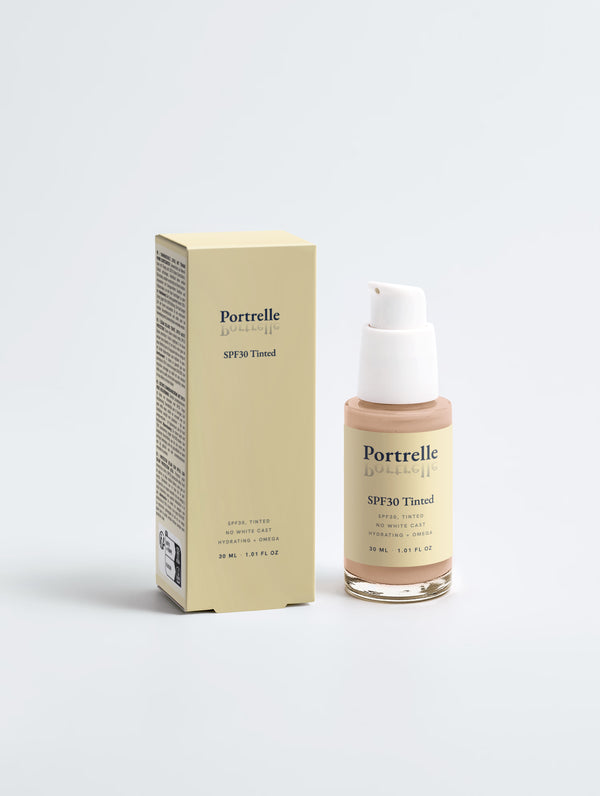
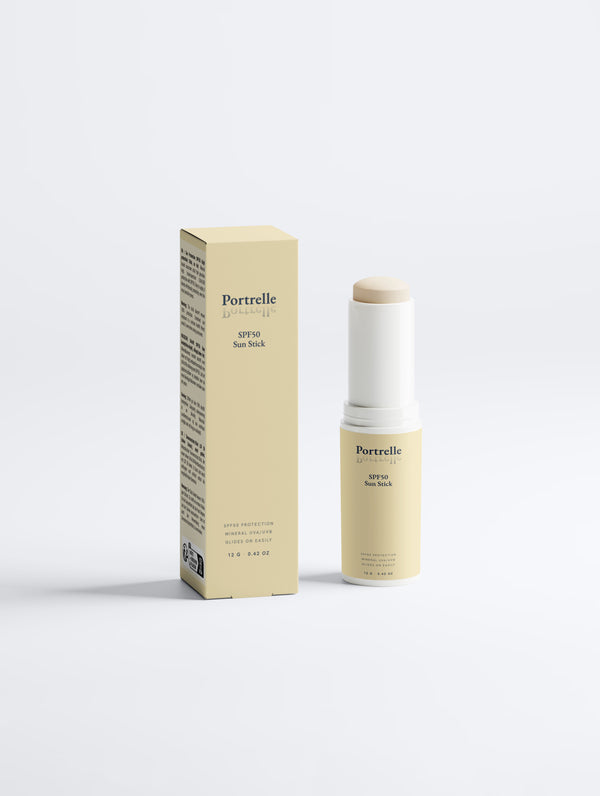
Wear a broad-spectrum SPF every day, all year, and reapply when you are outdoors. Tinted formulas are often favoured with melasma, because the tint helps even the look of tone while you wear it, so patches read as less obvious straight away. Our SPF30 Tinted works well as an everyday face sunscreen, and the SPF50 Sun Stick is easy to reapply through the day without disturbing makeup. If you want the full case for daily use, we made it in why face SPF every day matters.
What is tranexamic acid, and does Portrelle use it?
Tranexamic acid (tranexaminezuur in Dutch) started life in medicine as a compound that helps reduce bleeding. More recently it has become one of the most talked-about ingredients for pigmentation, including melasma, and you will find it in topical serums as well as in oral form prescribed by doctors. The interest is understandable: it is thought to act on one of the pathways involved in uneven pigment, and it has become a genuine talking point in dermatology.
Here is the honest note. Portrelle products do not contain tranexamic acid. We would rather tell you that plainly than imply an ingredient we do not use. If tranexamic acid is something you want to try, especially the oral route, that is a conversation for a dermatologist, because the meaningful versions sit on the medical side of the line.
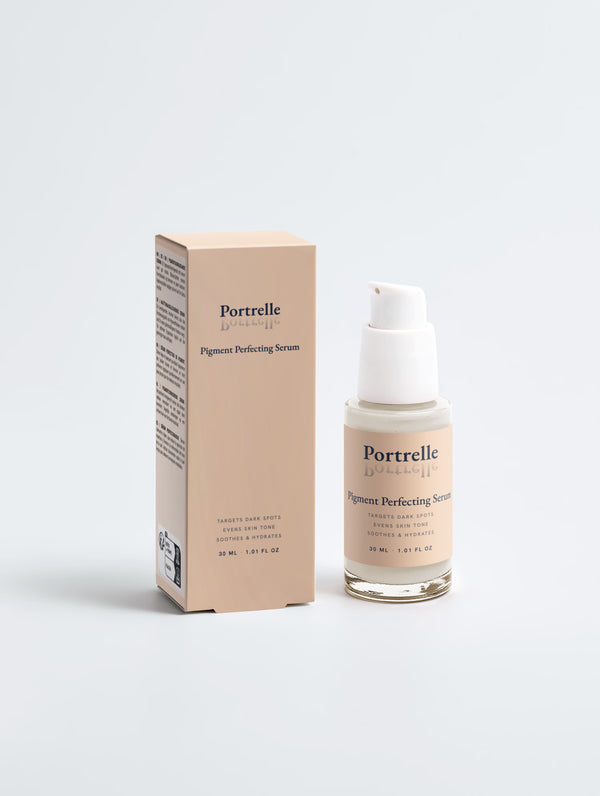
What we offer instead is a range built around gentle brighteners for the look of uneven tone. Our Pigment Perfecting Serum is designed to help skin look more even over time, and it sits alongside the rest of our glow and brighten collection for anyone focused on radiance and tone rather than a single spot.
Which gentle brighteners help the look of uneven tone?
Two ingredients do a lot of quiet work here. Kojic acid is a well-liked brightener that can help skin look more even and luminous, which is why we built it into our Dark Spot Cream with kojic acid and a more focused 1% kojic acid treatment for pressing directly onto the areas you want to address. If you like understanding what you are putting on, our explainer on kojic acid covers how it behaves and how to use it gently.
Vitamin C is the other steady performer. As an antioxidant it supports a brighter, fresher-looking complexion and pairs neatly with sunscreen in the morning. Our Vitamin C Serum is an easy way to add that glow-focused step. None of these will erase melasma, and it would be dishonest to say otherwise, but used consistently they can genuinely improve how even and healthy skin looks.
What makes melasma worse, and when should you see a dermatologist?
Three things reliably make melasma harder to manage: sun, heat, and skipping SPF. Direct sun is the obvious one, but heat matters too, so hot environments, saunas and even a very warm commute can nudge patches darker. Harsh, stripping routines that irritate the skin can also backfire, since inflammation tends to feed pigment. Gentle and consistent beats aggressive and sporadic every time.
As for professional help: if melasma is affecting how you feel, is spreading, or simply is not shifting with a careful routine, that is the moment to see a dermatologist. They can look properly at what is going on and, where appropriate, offer options that sit outside cosmetics, such as prescription creams, azelaic acid, retinoids, in-clinic peels or oral tranexamic acid. We will not talk about doses here, because that is exactly the kind of decision a professional should make with you. If you would like a calm, non-prescription routine to build alongside that, our Find Your Ritual quiz is a gentle place to start.
Read next
- Tranexamic Acid in Skincare: What It Does for Dark Spots
- Post-Inflammatory Hyperpigmentation: Why Dark Marks Linger
A note on results: skincare works differently for every person, and everything above describes how skin looks and feels rather than any medical outcome. Cosmetics can improve the appearance of uneven tone and support healthy-looking skin, but they do not diagnose, treat or cure melasma or any other condition. For that, please speak to a dermatologist or doctor.