Fading the look of dark spots comes down to patience and consistency rather than any single miracle product. Daily sunscreen helps keep existing spots from getting darker and helps stop new ones forming, while brightening ingredients like vitamin C, alpha-arbutin, kojic acid and niacinamide support the look of more even tone over time. There is no overnight fix, and any spot that changes shape, size or colour should always be checked by a doctor.
How do dark spots form on your face?
Dark spots, also called pigmentvlekken or taches brunes, are simply areas where your skin has produced extra melanin, the pigment that gives skin its colour. When something irritates or stimulates the skin, pigment-making cells can go into overdrive in one small patch, and that patch stays darker than the skin around it.
Sun exposure is the biggest trigger by far. Ultraviolet light tells your skin to make more melanin as a defence, so years of daylight and forgotten sunscreen add up on the areas that catch the most light, usually the cheeks, forehead and the back of the hands. Hormonal shifts and inflammation from old blemishes play a part too, and skin tends to pigment less evenly as it ages.
What are the main types of dark spots?
Not every dark mark is the same, and knowing which kind you have helps set realistic expectations. Most fall into one of these groups:

- Sun spots and age spots (taches de vieillesse). Flat brown patches from long-term sun exposure, most common from your thirties onward on the face, chest and hands.
- Melasma. Larger, often symmetrical patches linked to hormonal shifts such as pregnancy or the contraceptive pill. Melasma is sensitive to both sun and heat, and it can be stubborn.
- Post-blemish marks. The flat brown or pink shadows left behind after a blemish has cleared, common in blemish-prone skin. These are marks on the surface, not active blemishes, and they usually fade on their own with time and sun protection.
Blemishes and acne are a medical concern rather than something a cosmetic can treat. If you have persistent or painful breakouts, a GP or dermatologist can help you find the cause. Skincare here is about supporting the look of the marks left behind, not the breakout itself.
Which ingredients help fade the look of dark spots?
A short, well-chosen routine beats a crowded bathroom shelf. These are the ingredients worth knowing, and each one works on the appearance of uneven tone in a slightly different way:
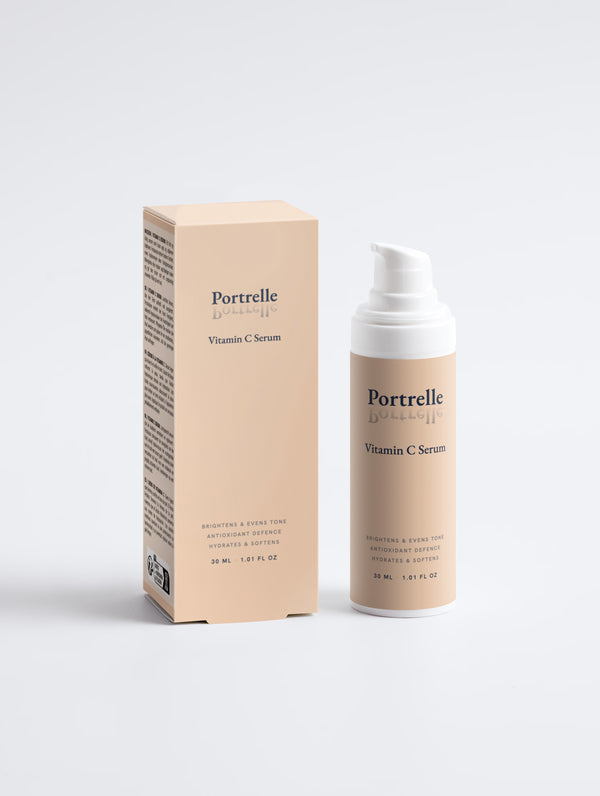
- Vitamin C. A brightening antioxidant that helps skin look fresher and more even. Our Vitamin C Serum sits well as a morning step under sunscreen.
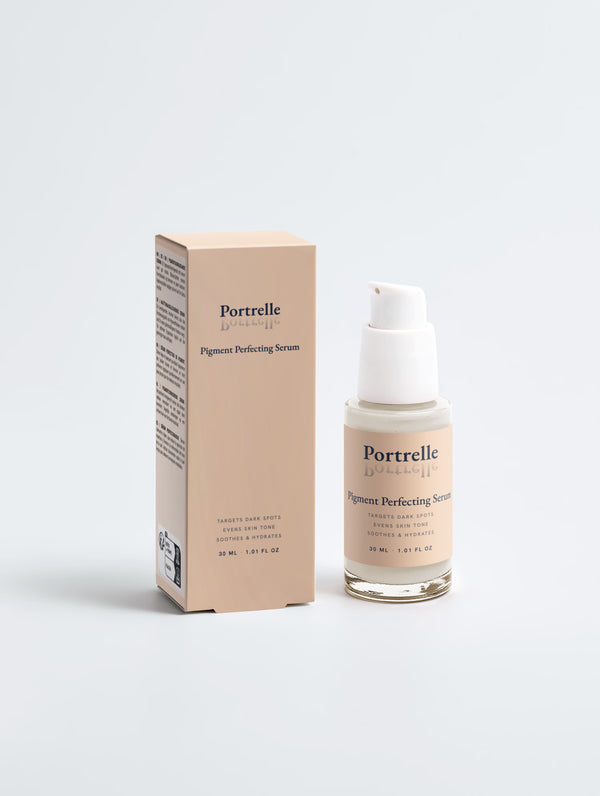
- Alpha-arbutin. A gentle brightener that targets the look of dark spots without the sting some actives can cause. It is the hero of our Pigment Perfecting Serum, paired with Bidens Pilosa and hydrating hyaluronic acid.
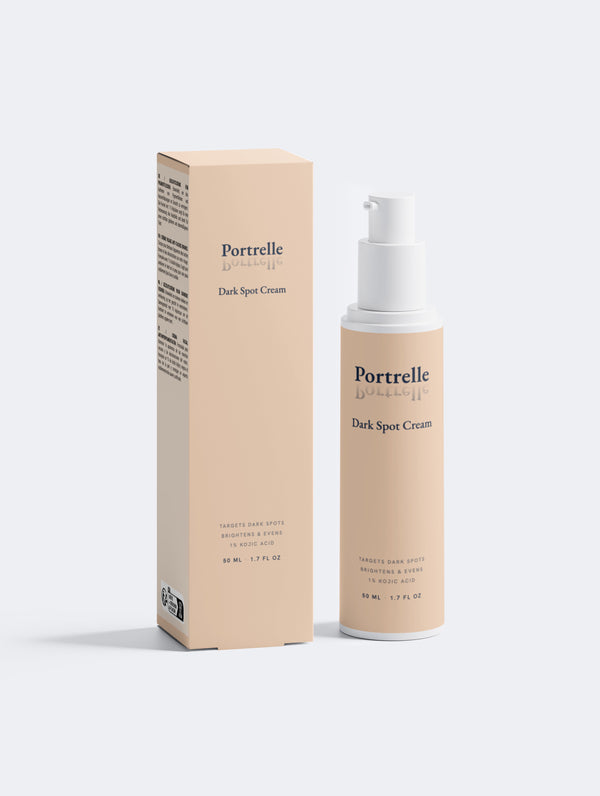
- Kojic acid. Well known for helping the appearance of stubborn spots. You will find 1% kojic acid in our Dark Spot Cream for all-over use, or in the smaller targeted Dark Spot Treatment when you want to focus on one or two areas.
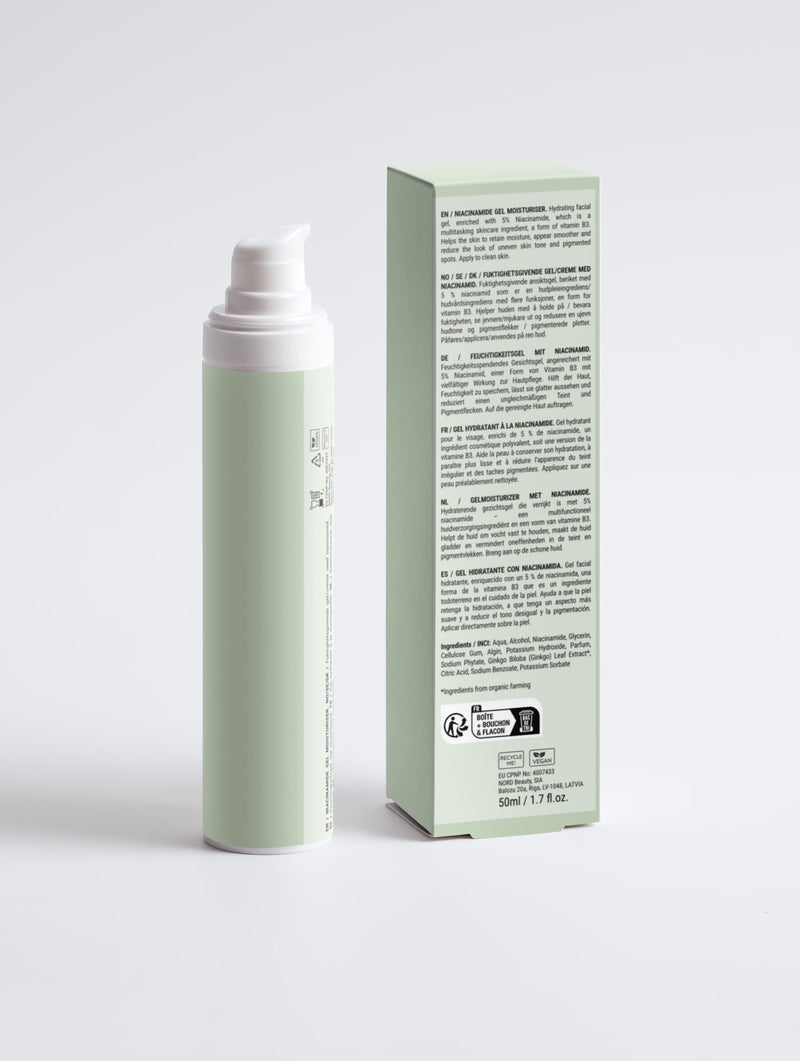
- Niacinamide. Vitamin B3, which helps skin look more even and feel more comfortable while supporting the barrier, so it sits happily alongside stronger brighteners.
- Gentle exfoliation. Removing dull surface cells lets the rest of your routine work more evenly. Keep it gentle and infrequent, since over-exfoliating irritated skin can make pigment look worse.
You do not need all of these at once. If you would rather follow a ready-made order, the Glow & Brighten collection brings the brightening line together, and the Glow & Brighten Routine pairs a cleanser, vitamin C serum and dark spot cream as one considered set.
Sunscreen helps stop new dark spots forming, so it does more for even tone than any brightening serum.
Why is daily SPF the step you cannot skip?
This is the part people most want to ignore, and it is the one that matters most. Every brightening ingredient is working against fresh sun exposure, so without daily protection you are trying to fill a bath with the plug pulled out. Sunlight will keep darkening existing spots and encouraging new ones no matter how good the rest of your routine is.

Use a broad-spectrum facial sunscreen every morning, whatever the weather, and reapply roughly every two hours when you are out in the sun. An SPF30 filter suits most everyday use in Belgium and the Netherlands, while SPF50 gives a higher level for long days outdoors or holidays closer to the equator. Keep in mind that no sunscreen blocks 100% of UV, so shade and a hat still help. A tinted SPF30 can double as light coverage on the days you want to even things out visually.
How long does it take to see a difference?
Honesty helps here. Pigment sits at different depths in the skin, and it took time to build up, so it takes time to look lighter. Surface marks from old blemishes tend to soften soonest, sun spots take longer, and melasma can come and go with the seasons and your hormones.
The realistic goal is gradual, and results vary from person to person. Photograph your skin in the same light every few weeks rather than checking the mirror daily, since slow change is hard to notice up close. If you are unsure where to start, the find your ritual guide can point you to a routine that suits your skin and your patience.
When should you see a doctor about a dark spot?
Skincare supports the look of even skin. It cannot diagnose anything. Book an appointment with a GP or dermatologist if a spot changes in size, shape or colour, has an irregular border, itches or bleeds, or simply looks different from your others. The same goes for melasma or blemishes that are widespread or persistent. A quick professional check is always the right call, and it is the one thing no cream can replace.
Quick answers
What is the fastest way to fade dark spots?
There is no genuine overnight fix. Daily sunscreen plus a consistent brightening ingredient such as vitamin C, alpha-arbutin or kojic acid gives skin the best chance to look more even over time.
Can dark spots go away on their own?
Flat marks left after blemishes often soften by themselves with good sun protection. Sun spots and melasma tend to stay unless you protect the skin daily and support it with brightening care.
Does sunscreen really help with pigmentation?
Yes, it is the single most useful step. Sunscreen helps keep existing spots from darkening and helps prevent new ones, which is why it matters more than any serum.
Which ingredient is best for dark spots?
There is no one winner. Vitamin C, alpha-arbutin, kojic acid and niacinamide each help the look of uneven tone, so the best choice is the one you will use consistently.
Read next
- Tranexamic Acid in Skincare: What It Does for Dark Spots
- Post-Inflammatory Hyperpigmentation: Why Dark Marks Linger
Experiential claims describe how skin looks and feels. Individual results vary.