Kojic acid is a brightening skincare ingredient made during fermentation, and it is often chosen to help even out and brighten the appearance of skin tone. On dark spots and patches of discoloration, it works gradually to diminish their look rather than change anything overnight. It is also considered one of the gentler ingredients in the brightening category, which makes it a calm place to begin.
Quick answers
- What is kojic acid? A brightening ingredient produced during fermentation, used to help even the look of skin tone.
- Does it help with dark spots? Used consistently, it can help diminish the appearance of dark spots and discoloration.
- Is it gentle? It is one of the gentler brightening options, though a patch test first is still sensible.
- How long until I notice a difference? Give it several weeks of steady use, paired with daily sun protection.
Where does kojic acid come from?
Kojic acid has an unusually pleasant origin story for a skincare ingredient. It is a by-product of fermentation, first noticed in koji, the fermented rice culture used to make Japanese sake and soy sauce. The compound was later isolated and named after koji itself. Today the kojic acid used in cosmetics comes from a controlled fermentation process, so you get a consistent, well understood ingredient with a genuinely old lineage.

What does kojic acid do for the look of dark spots?
Dark spots, sun spots and uneven patches are one of the most common reasons people add a brightening step. Kojic acid is used to help even out and brighten the appearance of skin tone, and to diminish the look of dark spots over time. The important word there is appearance. A cosmetic like this works on how your skin looks, softening the contrast between a spot and the skin around it so your complexion reads as smoother and more even. If you want the full picture of what causes these marks and which habits genuinely help, our guide to what actually helps with dark spots walks through it calmly.
Why is kojic acid considered one of the gentler options?
Some brightening approaches are strong, and they can leave reactive skin feeling tight, stinging or irritated. Kojic acid is generally seen as one of the gentler members of the brightening family, which is part of why it suits people who want a steady, low-drama routine. Gentle does not mean effect-free, and it does not mean you can skip the patch test. Everyone's skin is different, and even mild ingredients can bother sensitive skin. In our experience, fragrance, over-washing and piling on too many actives at once tend to cause more trouble than a single brightening step ever does.

How do you use kojic acid?
Kojic acid rewards consistency far more than intensity. A few pointers keep it simple:
- Patch test first. Apply a small amount to your inner arm or jaw for a couple of days before it goes on your face.
- Pick a format that matches your goal, either all-over evenness or specific marks.
- Morning or evening both work. Choose the one you will actually remember to do.
- Think in weeks, not days. Skin renews slowly, so a brightening habit needs time to show.
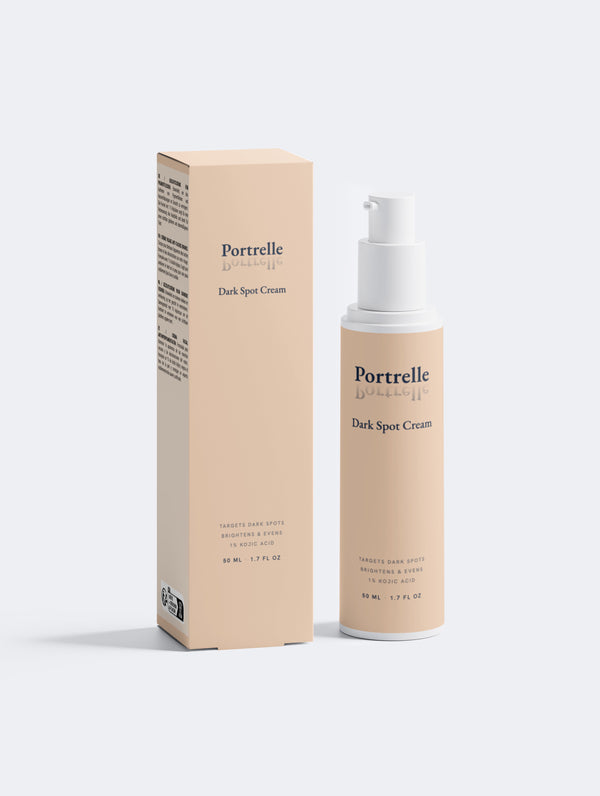
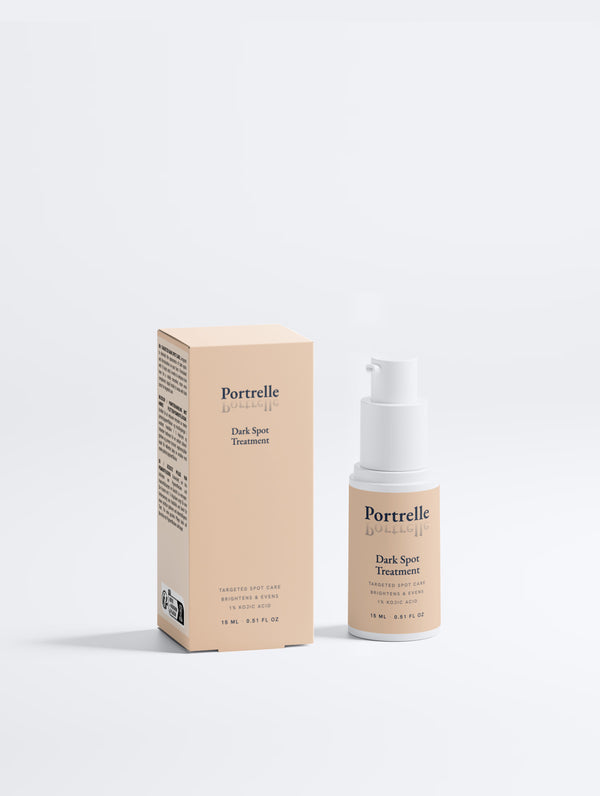
For all-over evenness, the Dark Spot Cream with 1% kojic acid is a rich face cream you can use as your daily brightening moisturiser. If you would rather aim at particular marks, the targeted dark spot treatment with 1% kojic acid is applied locally, right on the spots you want to soften. Both are vegan and made in the EU.
Why is daily SPF the partner habit you cannot skip?
This is the genuinely non-negotiable part. Sun exposure is one of the main reasons dark spots appear and deepen, so brightening without daily sun protection is a little like bailing a boat while the leak stays open. New marks keep forming faster than any cosmetic can soften the old ones. A daily facial SPF is the single most useful habit for anyone working on the look of discoloration, and we made the full case in our piece on wearing face SPF every day.
Brightening is a slow habit, not a quick fix. Daily sun protection does the quiet work that keeps new spots from undoing your progress.
How does kojic acid fit with exfoliation?
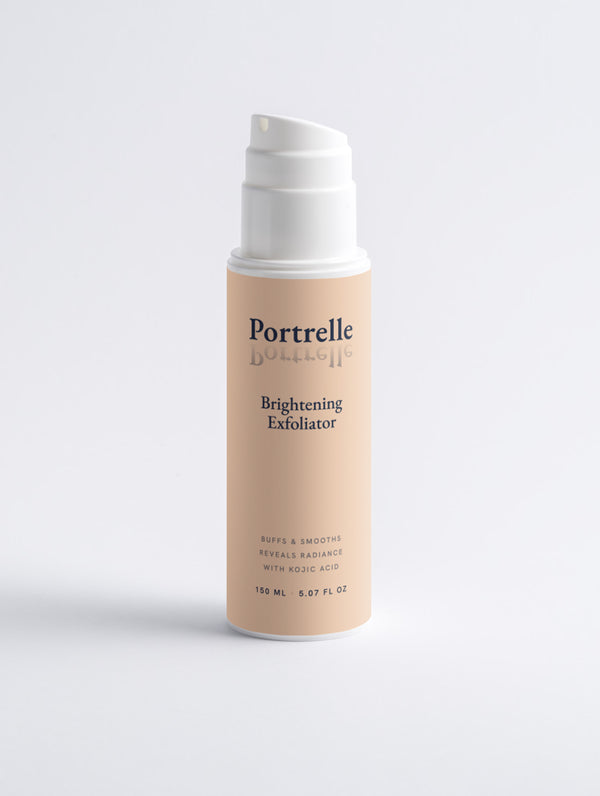
Gentle exfoliation helps too, because buffing away dead surface cells keeps skin looking fresh and lets the rest of your routine sit more evenly. The Brightening Exfoliator with kojic acid is made for face and body and is designed for two to three times a week, no more. The temptation with brightening is to do everything at once, but stacking strong exfoliation on top of daily actives tends to leave skin feeling sensitised rather than glowing. Two or three gentle sessions a week is plenty. You can see how the pieces fit together in our glow and brighten collection if you want to build a simple, coherent routine.
One last note. Cosmetics work on the look and feel of skin, not on medical conditions. If a spot changes shape or colour, itches, bleeds or hurts, or if redness will not settle, treat that as a reason to see a doctor or dermatologist rather than a brightening cream.
Portrelle products are cosmetics: they care for how your skin looks and feels. They do not treat medical conditions. If a concern persists or hurts, see a doctor or dermatologist.