Retinol is a form of vitamin A used in skincare to help skin look smoother and more even over time. It softens the appearance of fine lines and uneven texture, which is why it appears in so many routines built around firmer-looking skin. The honest catch is that it can feel harsh in the early weeks, so the calm way to begin is low and slow, or to reach for a gentler plant-based alternative from the start.
What is retinol?
Retinol belongs to a family of vitamin A ingredients known as retinoids. Your skin converts it into a more active form, and that conversion is part of what makes it such a familiar ingredient. You will find it in serums and in a retinol cream, usually at low percentages for at-home use and at higher strengths on prescription. In everyday cosmetic products, retinol is there to support the look of ageing skin rather than to change it medically.
What does retinol do for your skin?
In regular use, retinol is best known for helping skin look smoother and more refined. People reach for it to soften the appearance of fine lines and even out the look of their tone. It is a common choice in routines focused on firmness and a more rested look, which is the same goal behind our Age & Firm collection. Keep your expectations realistic. Any change is gradual and varies from person to person. It describes how skin looks and feels rather than a fixed result.

The calm way to start retinol is slowly, or to choose a gentler plant-based alternative from the beginning.
How do I start retinol without irritation?
Start low and go slow. That single idea prevents most of the redness and flaking people run into. Use it in the evening only, on clean, dry skin, and begin with one or two nights a week rather than every day. A pea-sized amount for the whole face is plenty. If your skin feels tight, you can apply your moisturiser first as a buffer, then the retinol on top. Patch test a small area for a few days before you commit to the full face.
Is purging and dryness normal at the start?
An adjustment period is common. In the first few weeks, some people notice dryness, flaking or a little tightness while skin gets used to the ingredient. This is often called retinol purging. Ease off the frequency if your skin feels sore, and give it time to settle before building back up. If irritation is severe, does not calm down, or you notice anything that looks unusual on your skin, stop and speak to your GP or a dermatologist. The same goes for any dark spot that changes in size, shape or colour.

Does retinol make skin more sensitive to the sun?
It can, which is why retinol is used at night and why daytime sun care matters while you use it. Wear a broad-spectrum sunscreen each morning and reapply it every two hours when you are out in the sun. No sunscreen blocks 100% of UV, so shade and a hat help too. Keeping your sun exposure sensible also protects the smoother look you are working towards.
Can you use retinol during pregnancy?
Many people are advised to avoid retinol and other vitamin A retinoids during pregnancy and breastfeeding. If this applies to you, the simplest step is to ask your GP or midwife which ingredients they are happy for you to use. Plenty of people also treat this as the moment to move to gentler plant-based options, which brings us to the route we chose for Portrelle.
How often should you use retinol?
Begin with one or two evenings a week. If your skin stays comfortable after a few weeks, you can slowly increase towards every other night, and then nightly if it suits you. There is no prize for rushing. Less irritation and steady use will always beat a fast start that leaves your skin too sore to continue.
What are the gentler, plant-based alternatives?
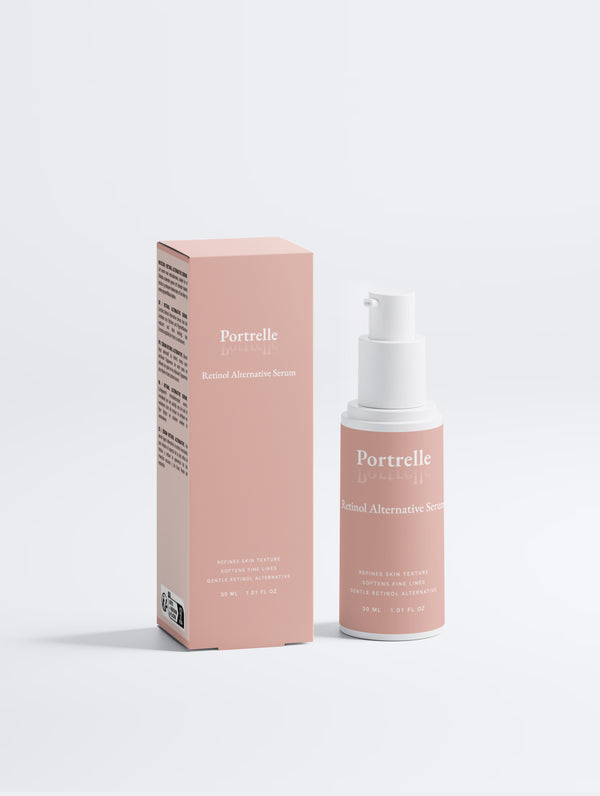
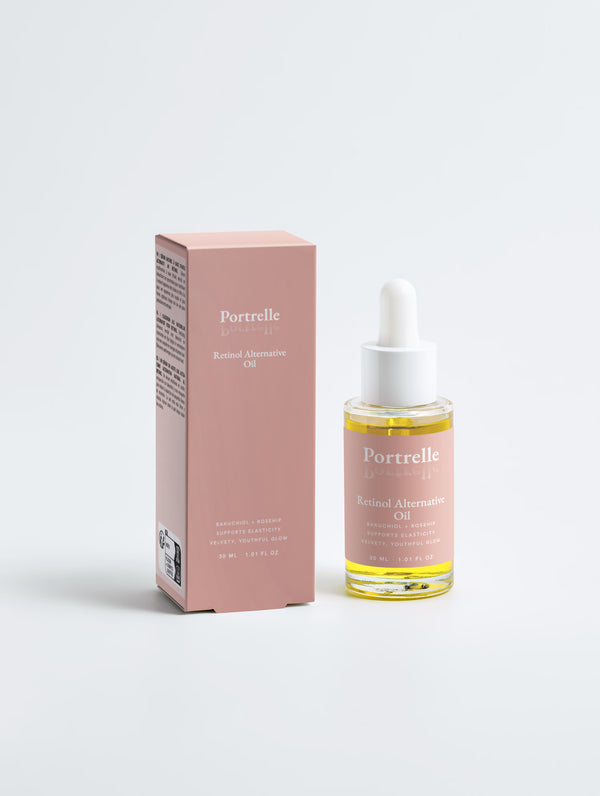
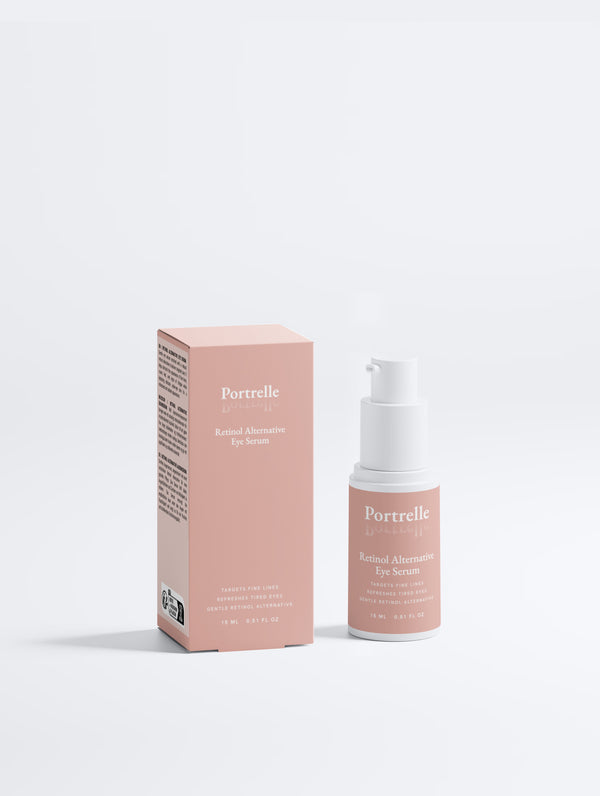
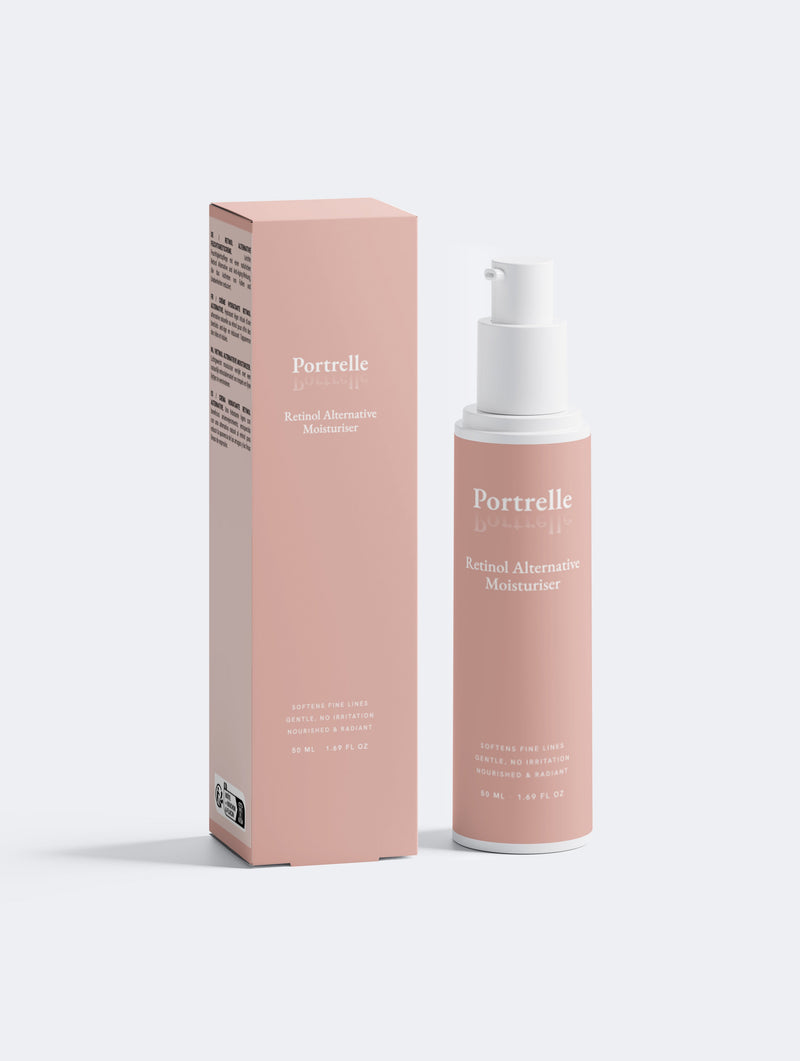
Classic retinol works, and we are happy to say so. We simply built our line on softer options that are easier to live with, so our range uses plant-based alternatives instead. Our Retinol Alternative Serum pairs 2% Bidens Pilosa, a plant-based retinol alternative, with a lightweight feel for nightly use. For a richer finish there is the bakuchiol-based Retinol Alternative Oil, and the delicate eye area has its own Retinol Alternative Eye Serum with Bidens Pilosa. If you want the full background, our guide to bakuchiol and Bidens Pilosa explains how these ingredients compare. Not sure where to begin? Our find your ritual quiz can point you to a calm starting point.
Quick answers
What does retinol do?
It helps skin look smoother and more even and softens the appearance of fine lines over time. Any change is gradual and varies from person to person.
How do I start retinol without irritation?
Use a pea-sized amount at night, one or two evenings a week, and build up slowly. Buffer with moisturiser and patch test first.
How often should you use retinol?
Start with once or twice a week, then increase gradually if your skin stays comfortable. Nightly use only suits some people.
Is there a gentler alternative to retinol?
Yes. Plant-based options like bakuchiol and Bidens Pilosa are the route Portrelle takes for skin that prefers something softer.
Read next
Experiential claims describe how skin looks and feels. Individual results vary.