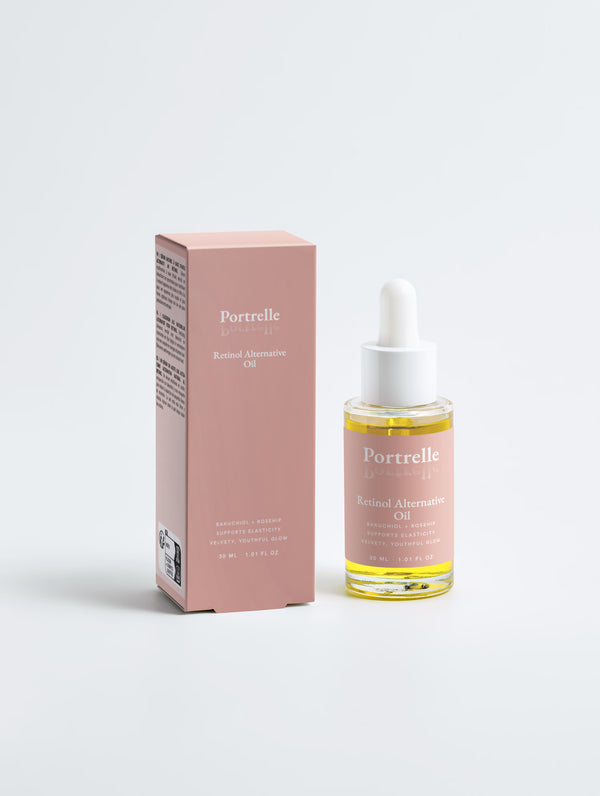
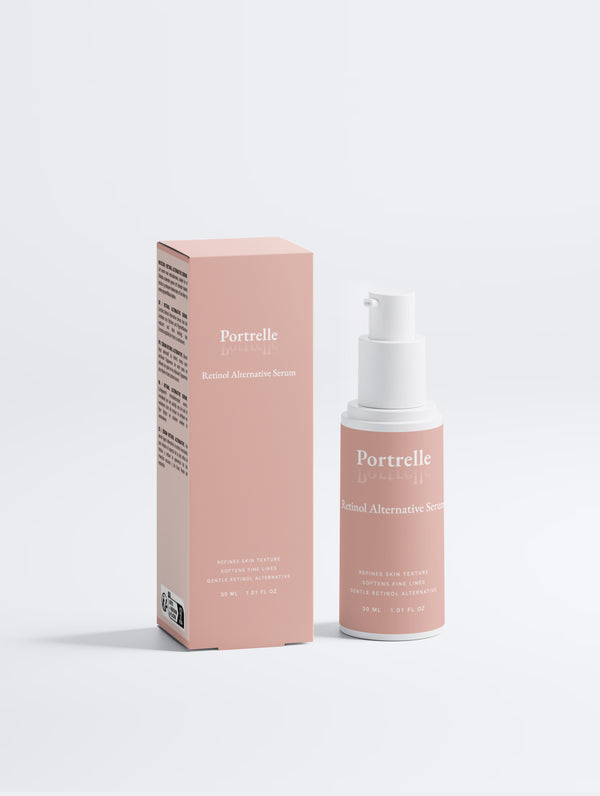
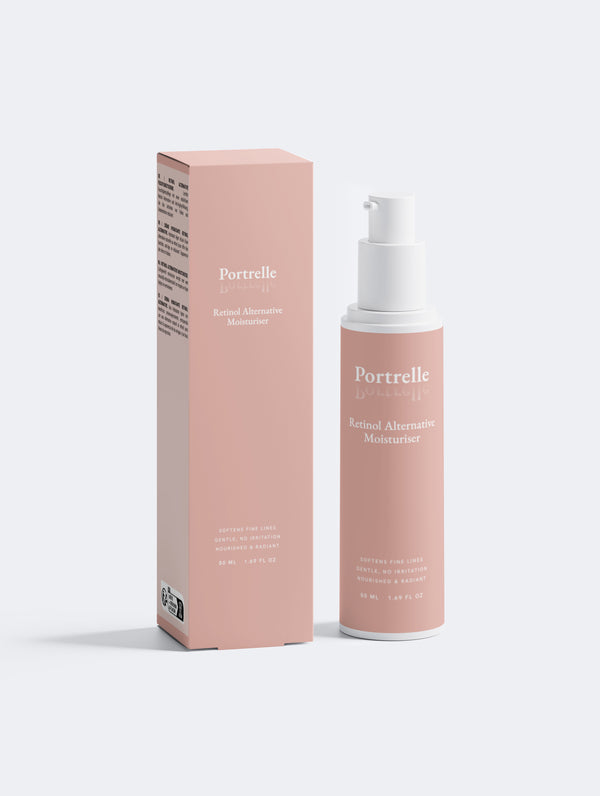
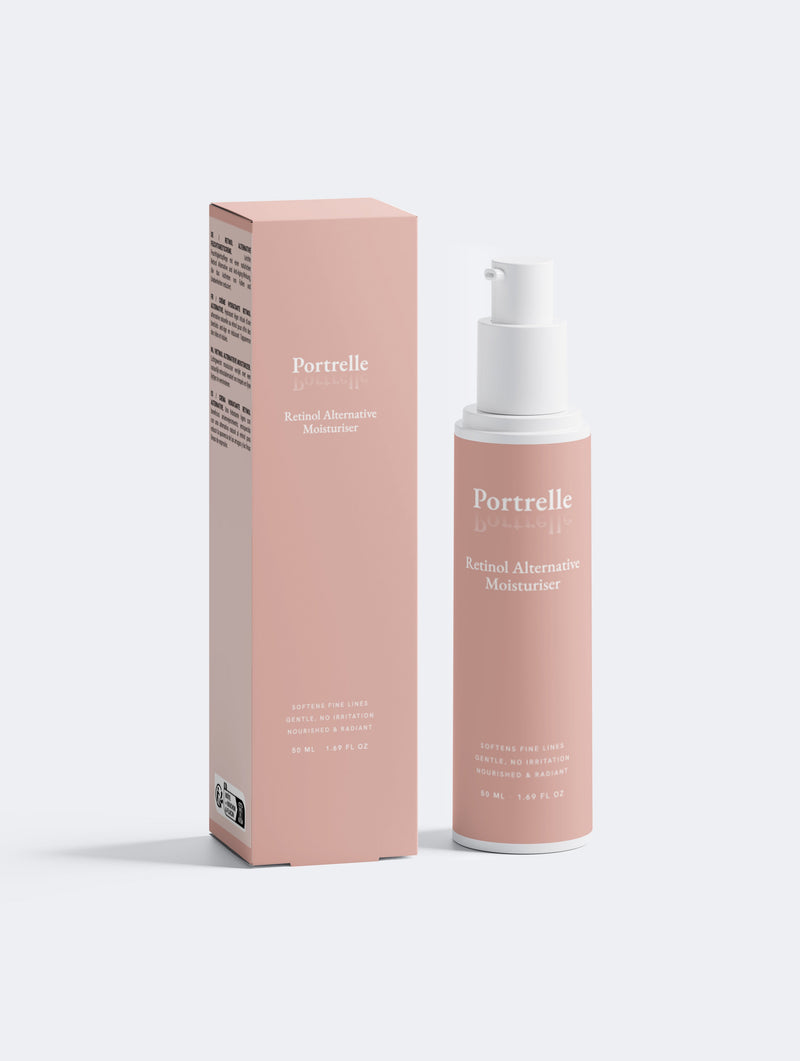
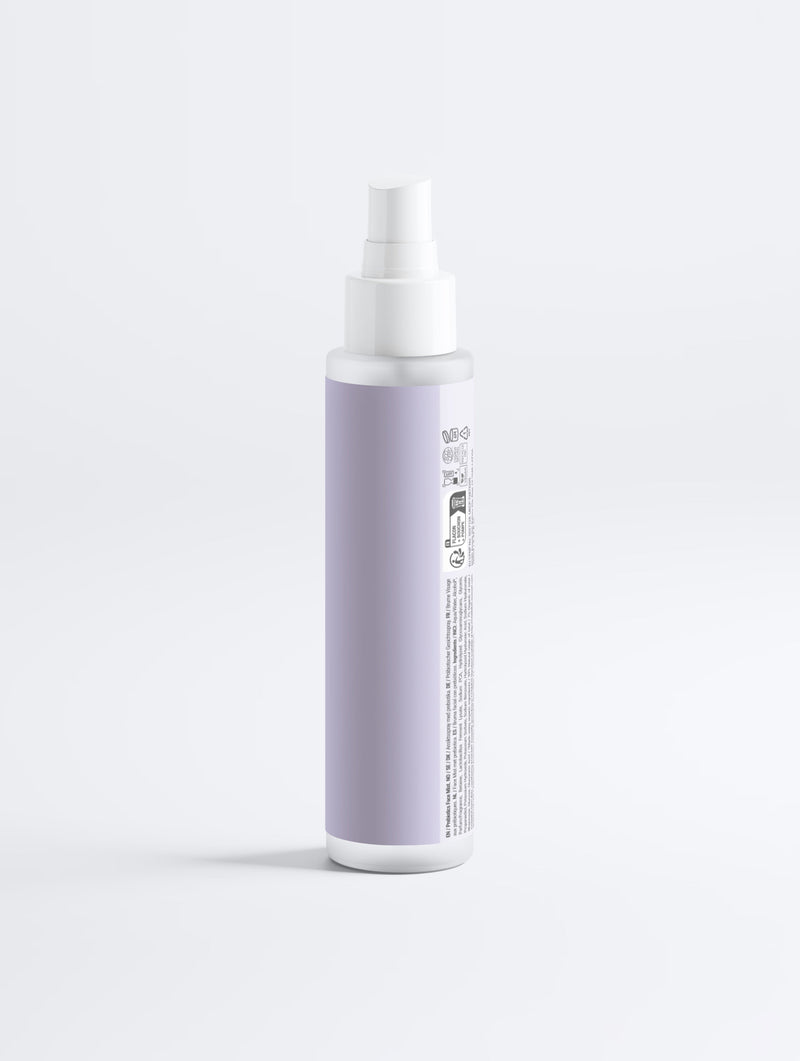
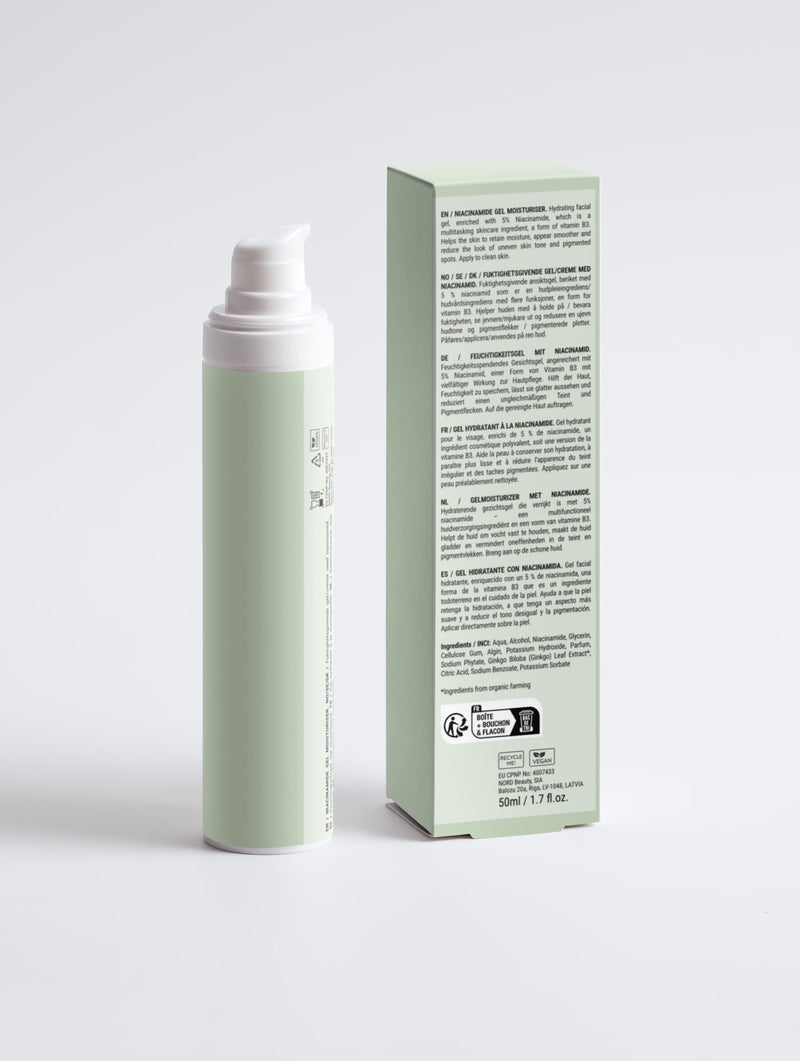
The gentlest alternatives to retinol are plant-based actives that give a similar smoothing feel without the redness or flaking. The two most popular are bakuchiol, from the babchi seed, and Bidens Pilosa, a botanical extract. Both help soften the look of fine lines and refine the appearance of texture, and both stay comfortable enough for daily use, which is why our whole Age & Firm line is built around them instead of classic retinol.
What is bakuchiol?
Bakuchiol is a plant-derived active from the babchi seed. In skincare it is valued for a retinol-like smoothing effect on the look of fine lines while feeling gentle on skin, without the flaking or tingling many associate with classic retinol. Because it sits so easily, it suits people who once found classic retinol too harsh. You will find it in our Retinol Alternative Oil, blended with rosehip for a nourishing finish that drier skin tends to enjoy.
What is Bidens Pilosa?
Bidens Pilosa is a botanical extract often described as nature's answer to retinol. Used at 2%, it helps refine the look of texture and soften the appearance of fine lines, gently enough for daily use. It is the hero of our Retinol Alternative Serum, our Retinol Alternative Moisturiser and our Retinol Alternative Eye Serum, so you can keep the same active across every step of a routine.

Bakuchiol or Bidens Pilosa, which should you choose?
Both are plant-based and both are gentle, so the choice usually comes down to texture and format rather than one being stronger than the other. Here is a simple way to compare them.
- Bakuchiol comes from the babchi seed and we blend it with rosehip in an oil. That richer, more cushioning feel tends to suit dry or mature skin, or anyone who likes a facial oil as their last step at night.
- Bidens Pilosa is used at 2% across a serum, a moisturiser and an eye serum. That gives you lighter, layerable textures and the option to keep one active through your whole routine, including the delicate eye area.
There is no wrong answer here. The main thing is to pick the texture you will keep reaching for, because a gentle active only helps the look of your skin when you actually use it. Some people happily use both, an oil on some evenings and a lighter serum on others.
Gentle plant actives let you keep the smoothing ritual without the redness, flaking or slow adjustment period.
Who should consider a retinol alternative?
A gentle alternative is worth a look in a few common situations, and none of them mean your skin is doing anything wrong.

- Sensitive or reactive skin. If retinol has left you red, dry or peeling in the past, a plant-based active lets you work on the look of fine lines without that reaction.
- Pregnancy or breastfeeding. Many people prefer to step away from retinol at this stage and choose a plant-based option instead. Always check with your doctor first, since they know your history.
- Retinol fatigue. If you are simply tired of the slow build-up and the on-off adjustment period, an alternative gives you a smoothing step you can use consistently.
If your skin stays irritated, or you notice a spot or mark that is changing, see a GP or dermatologist rather than trying to manage it with skincare alone.
What is the best serum for mature skin?
There is no single best serum, because mature skin varies as much as any other. If your main goal is a smoother, more comfortable look, a gentle plant-based active that layers well with your other steps is a sensible starting point. Both bakuchiol and Bidens Pilosa fit that brief, so you can work on the look of fine lines and firmness without a harsh adjustment period getting in the way. Consistency matters more than any single hero ingredient, so pick a texture you will actually reach for each evening and pair it with a moisturiser you like.
Is a vitamin A serum the same as retinol?
More or less, yes. Retinol is a form of vitamin A, so a vitamin A serum and a retinol serum belong to the same family and behave in similar ways, including the adjustment period some people find tricky. Bakuchiol and Bidens Pilosa are not vitamin A. They are plant actives chosen because they give a comparable smoothing feel on the look of fine lines while staying gentle. If you would like to understand how retinol itself works before you decide, our guide on retinol explained and how to start gently walks through it step by step.
Retinol alternative or classic retinol?
If your skin is resilient and already used to retinol, you may simply keep what works. If your skin is sensitive, dry, or you are tired of the adjustment period, a retinol alternative gives you the smoothing ritual without the drama. It also layers easily, so there is no need to build up tolerance slowly or drop your other favourite steps.
How do you build the routine?
Evening: cleanse, then apply the Retinol Alternative Serum, then seal with a cream. Morning: always finish with a broad-spectrum SPF, whatever your evening routine looks like. Give any new step a few weeks before you judge it, and introduce one product at a time so you can tell what your skin likes. If you would rather have a starting set suggested for you, our Find Your Ritual quiz can point you in the right direction.
Quick answers
Can I use a retinol alternative every day?
Yes. Gentle daily consistency is the whole point, morning or evening.
Can I use it around the eyes?
Use a product made for the eye area, like our Retinol Alternative Eye Serum. The skin there is thinner and prefers a formula designed for it.
Is it suitable during pregnancy?
Many people choose plant-based alternatives during pregnancy, but always check with your doctor first.
Is bakuchiol a form of vitamin A?
No. Bakuchiol is plant-derived and unrelated to vitamin A, though it is valued for a similar smoothing feel on the look of fine lines.
Read next
Experiential claims describe how skin looks and feels. Individual results vary.