Wrinkles form mainly from repeated expression, sun exposure, sleep habits, and time. Fine lines can look softer and feel smoother with the right daily care, but deep, set folds are structural, and no cream erases them. The honest short version: protect your skin from the sun every day, stay consistent for months rather than weeks, and be wary of anything that promises to iron out a deep crease.
Below we go zone by zone, because that is how most people actually look for answers. Then we rank the general toolkit by what does the most, honestly.
Quick answers
How do you reduce the look of wrinkles?
Daily sunscreen does the heavy lifting, because it helps keep existing lines from deepening. On top of that, a retinoid or a plant-based alternative can help the look of fine lines over months, while peptides and steady moisture support a plumper, smoother feel.
How do you prevent wrinkles?
Sun protection is the single biggest lever, worn every day, all year. Not smoking, decent sleep, and being gentle with the skin help too. Prevention in your twenties and thirties does more for your skin than correction in your fifties.
What helps against wrinkles?
In order: daily SPF, then a retinoid-family active or plant alternative, then peptides and consistent hydration. Creams soften the look of fine lines. They do not remove deep, static folds.
Can a cream remove deep wrinkles?
No. A cream can support the skin and help fine lines look softer, but a deep fold is structural. If you want it gone, that is a conversation for a qualified professional, not a jar.
Forehead lines: why do they form and what helps?
Forehead lines are expression lines. Raising your eyebrows, over years, leaves horizontal creases. Sun exposure tends to speed things up, and genetics set the stage. You cannot switch off a moving face, and you should not try to. What helps is daily sun protection so the lines do not deepen faster than they need to, plus a retinoid or plant alternative to support the look of the finer ones over time. The set, deeper folds are structural. A cream can make the skin around them look smoother and more hydrated, but it will not lift them out.
Wrinkles around the mouth and upper lip: what supports the look?
The mouth is one of the busiest parts of the face. Talking, smiling, eating, and for some people years of sun or smoking all show up here as lines around the mouth and fine vertical lines on the upper lip. The upper lip is thin-skinned and moves constantly, so it tends to show creping earlier than people expect. Consistent moisture helps this zone feel plumper and look smoother, and peptides can support that firmer feel over months. Keep the area protected from the sun as well, since it is easy to miss when you apply sunscreen in a hurry.
Under-eye wrinkles: what can you actually do?
The skin under the eyes is the thinnest on the face, so fine lines and crepiness tend to appear here first. Squinting, sun, rubbing, and sleep all play a part. Gentle is the rule: no dragging, no harsh scrubbing. Steady hydration helps the area look smoother, and a well-formulated eye product can support that. Whether you need a separate eye cream at all is a fair question, and we wrote an honest take on whether an eye cream is worth it if you want the full picture.
What actually helps with wrinkles, ranked honestly?
Here is the order that matches what the evidence supports, most useful first.
1. Daily SPF, the single biggest lever
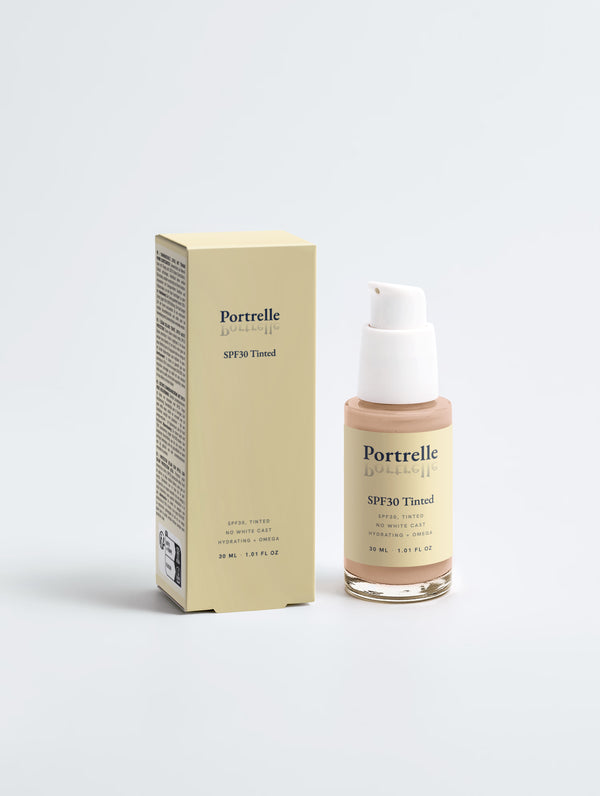
Most of what we call ageing in the skin's appearance traces back to the sun. Wearing sunscreen every day, not only on holidays, is the one habit that does the most to keep lines from deepening. It is prevention, so it is quiet and unglamorous, which is exactly why it gets skipped. We make the full case in why face SPF belongs in your daily routine. If you want one that layers easily under the rest of your routine, our tinted SPF30 is built for everyday wear.
2. Retinoids and plant-based alternatives
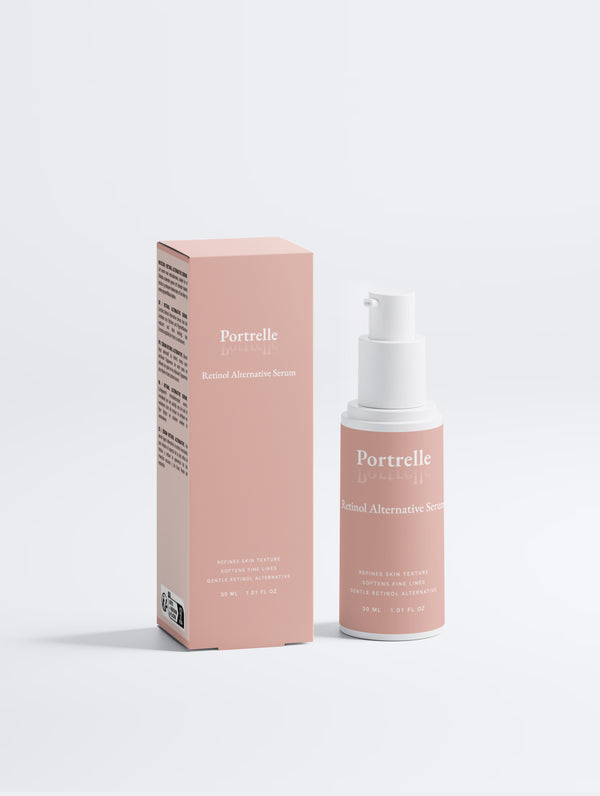
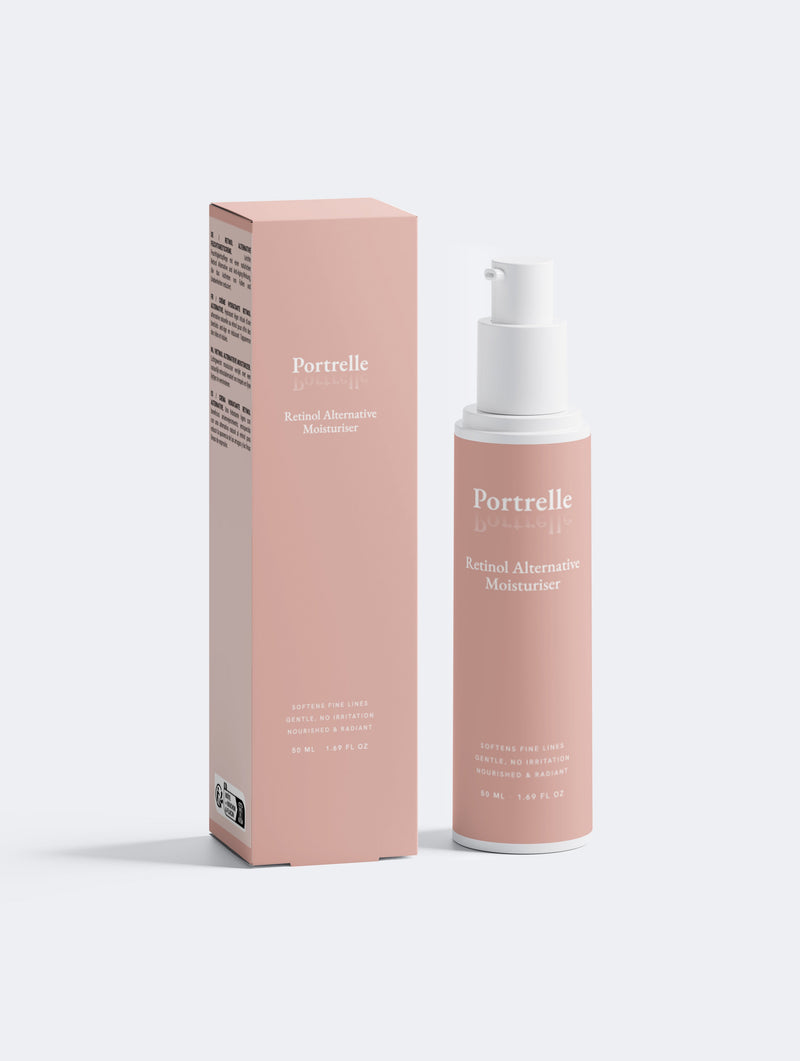
The retinoid family is the most studied group of ingredients for the look of fine lines over time. It asks for patience and a careful start, since these actives can irritate skin that is not used to them. If you are new to them, a gentle beginning matters, and we walk through it in how to start retinol gently. Not everyone gets on with classic retinol, which is why plant-based alternatives exist. Our Retinol Alternative Serum uses Bidens Pilosa, a plant-based retinol alternative, for people who want to support the look of fine lines with something gentler.

3. Peptides and consistent moisture
Peptides and steady hydration are about feel and finish: skin that looks plumper and feels smoother, with fine lines that catch the light less. This is where consistency beats intensity. A peptide serum or cream used daily, for months, supports a firmer-looking surface. If you are curious what peptides really do and do not do, we kept it plain in what a peptide serum actually does. Collagen creams sit in the same part of the shelf and attract the biggest promises, which is worth knowing about, because a collagen molecule is far too large to travel past the surface of your skin. We go through what collagen creams and supplements can and cannot honestly do in our guide to collagen for skin.

4. Sleep and everyday habits
The unglamorous factors are real. Sleeping face-down presses the same creases into your skin night after night. Poor sleep, smoking, and a lot of unprotected sun all show up in how skin looks over time. None of this is a moral failing, and none of it needs a perfect routine. Small, steady choices add up more than any single product.
Can creams remove deep wrinkles?
This is the part where we stay blunt, because it is the whole point of the brand. Creams and serums can soften the look of fine lines and support your skin over time. They cannot remove deep, static folds, the ones that stay put when your face is at rest. Those are structural, and no topical product changes that.
A good cream can help fine lines look softer. It cannot iron out a fold your face has been making for twenty years, and any brand that says otherwise is selling you a story.
If deep folds genuinely bother you and you want them addressed, that is injectables territory, and it belongs with a qualified doctor or dermatologist. Portrelle does not sell that, and we will not pretend a jar replaces it. What we make is honest daily care that supports how your skin looks and feels, without the fairy tale.
How long before you see a difference?
Months, not weeks. Skin renews slowly, so most appearance changes from actives like retinoids tend to show up over roughly eight to twelve weeks of steady use, sometimes longer. If a product promises visible results in days, treat that as a claim to distrust. The most valuable move is also the least exciting one: prevention now, done consistently, beats correction later. Looking after your skin in your twenties and thirties does more for how it looks in your fifties than any rescue routine can.
Read next
- Crow's Feet: Why They Appear and What Honestly Helps
- Collagen for Skin: What Creams and Supplements Can and Can't Do
Experiences vary from person to person, and this article is informational, not medical advice. If a skin concern worries you or you are considering a treatment, please speak to a doctor, pharmacist, or dermatologist.