Crow's feet, or kraaienpootjes as we say in Belgium, are the soft lines that fan out from the outer corners of the eyes. They show up there before anywhere else because that skin is the thinnest on your face, it moves all day long, and it takes sun from every angle. You cannot erase them, and honestly, you do not need to. What you can do is soften how they look and slow how quickly new ones settle in.
The short version: daily sun protection and sunglasses do most of the prevention, gentle eye care with peptides or a retinol alternative supports the look of fine lines over months, and steady hydration keeps the area from looking creased. Anything promising to erase a line is selling you a feeling, not a result.
Quick answers
How do crow's feet form?
They form where thin skin meets constant movement. Every smile, squint and laugh folds the same spot, and over the years those folds start to show even at rest. Sun exposure speeds the process, which is why the eye corners, always exposed, show it first.
How can you soften the look of crow's feet?
Protect the area from sun, keep it well hydrated, and use eye care with peptides or a retinol alternative consistently. Changes show in the look of the skin over weeks and months, not overnight. No cream removes an expression line.
How do you prevent crow's feet?
Wear sunscreen around the eyes and wear sunglasses in bright light. Squinting is one of the biggest drivers, and sunglasses stop it for free. Prevention you actually keep up with beats any single product.
Are crow's feet something to worry about?
No. They are smile lines, the mark of a face that has expressed itself for years. The goal here is softening the look if it bothers you, never erasing the expression behind it.
Why do crow's feet appear at the eye corners first?
Three things stack up in one small area. The skin around your eyes is the thinnest on your face, so it has the least cushioning to spring back. It also moves constantly. Blinking, smiling and squinting fold the outer corners thousands of times a day, and skin that folds in the same place eventually keeps a faint memory of the crease. On top of that, the eye area catches light from above, from the side, and off water, snow and screens, so it collects more sun than almost anywhere else on the face.
That combination is why these lines appear early, and it is also why they read as smile lines. They map the way you laugh. Plenty of people love them and leave them alone. If yours bother you, the aim is to soften how pronounced they look, not to flatten the expression. For the bigger picture on facial lines, our guide to what actually helps with wrinkles walks through the same logic for the rest of the face.

How do you prevent crow's feet?
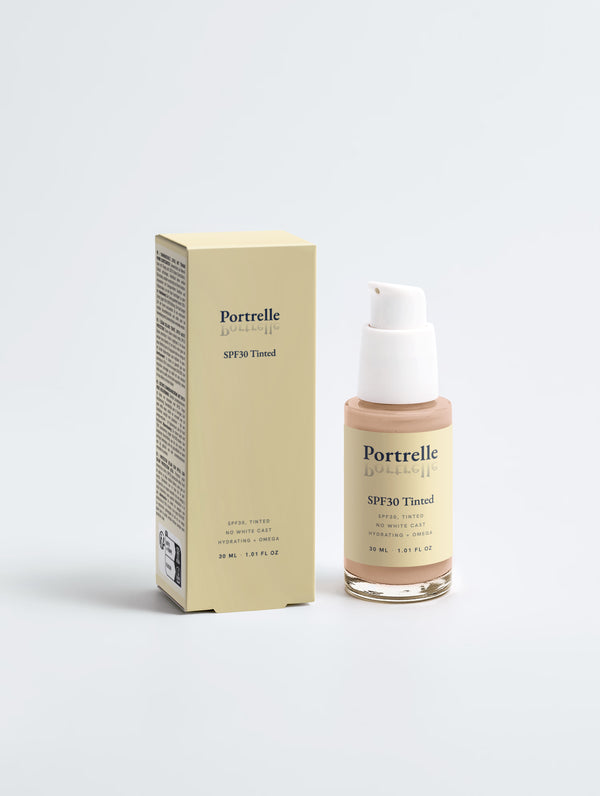
Prevention is the least glamorous part and the part that works. Sun exposure is the single biggest factor you can influence, so a daily sunscreen that reaches right up to the eye area matters. A tinted mineral SPF30 is easy to keep on that thin skin, and the tint means you can wear it as your base without a heavy layer underneath.
Then there are sunglasses, the free prevention almost nobody uses enough. Squinting against bright light folds the eye corners hard, again and again, all summer long. A good pair of sunglasses stops the squint before it starts. If the SPF number itself confuses you, SPF30 filters out roughly 97% of UVB when you apply enough of it, and a moderate number you reapply beats a high number you skip.
How can you soften the look of crow's feet?
Once the sun side is handled, the look of existing lines comes down to consistency. Well hydrated skin creases less and reflects light more evenly, so a line simply reads as softer when the area is comfortable and plump rather than dry. This is where a dedicated eye product can earn its place, though not everyone needs one. If you are unsure, our honest take on whether you actually need an eye cream is clear about when to skip it.
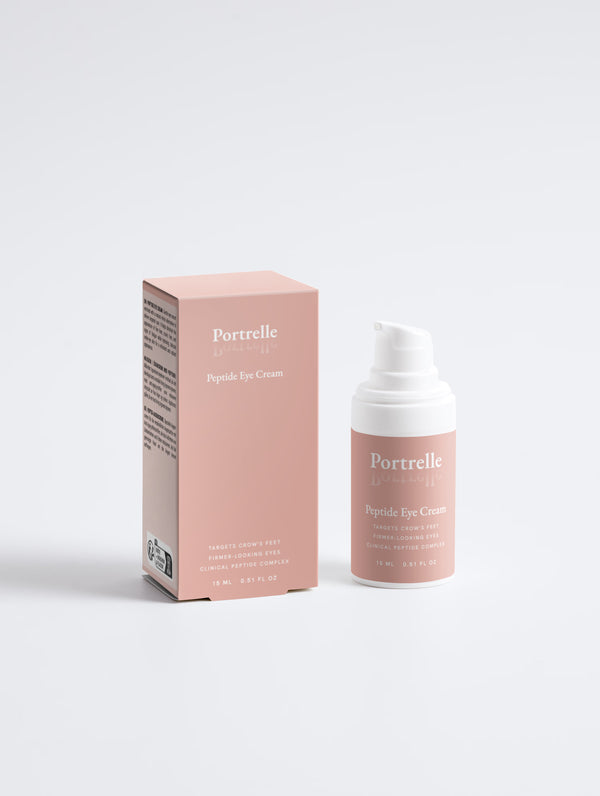
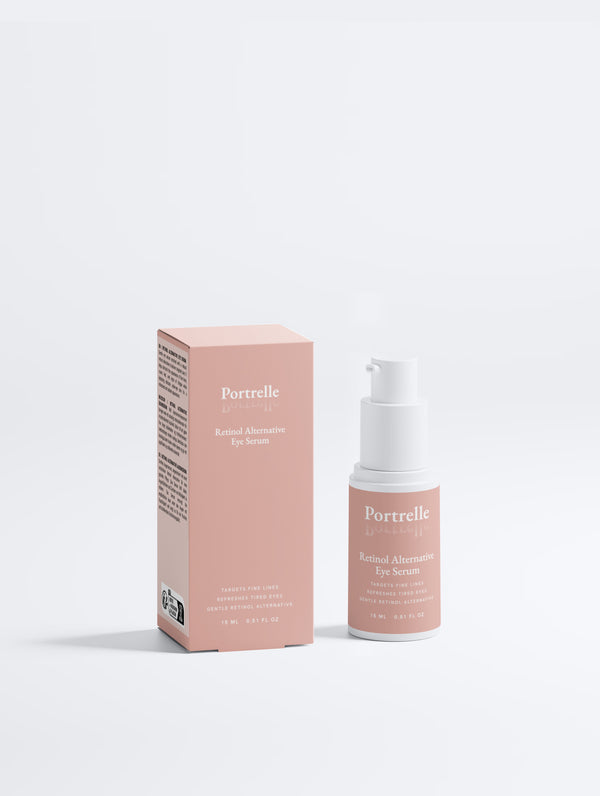
For the look of fine lines specifically, two ingredients do the steady work. Peptides support the look of firmness over time, which is the job of our Peptide Eye Cream. If you want something in the retinol family but find classic retinol too much for thin eye skin, our Retinol Alternative Eye Serum uses Bidens Pilosa, a plant-based retinol alternative, for a gentler route.
The difference between retinol and its relatives is worth understanding before you choose, and we break it down in retinal versus retinol. Whichever you pick, give it months rather than days, and use it most nights. Eye care rewards the people who are patient with it.

What does not actually work?
Face yoga is the most repeated promise, and the logic runs backwards. Crow's feet come partly from repeated movement, so training yourself to move the area more is not a fix. It feels productive, which is the whole appeal, but it does not soften a line. And any cream that claims to erase wrinkles is making a promise skincare cannot keep. Softening how a line looks is real. Erasing an expression line is not.
How often do people get Botox for crow's feet?
This is one of the most searched questions on the topic, so here is the honest answer. Botox for crow's feet is a medical treatment given by a qualified professional, and it typically lasts a few months before it is repeated, which is why people ask how often. We do not sell it, and we are not going to pretend a cream does the same thing.
Skincare can soften how a line looks. It cannot relax a muscle, and we will not tell you otherwise.
If an expression line genuinely bothers you and you want it addressed at the muscle, that is injectables territory, and it belongs with a doctor or a qualified practitioner you trust, not a serum. If you mostly want the eye area to look smoother, calmer and better rested from one day to the next, that is exactly what good eye care and steady sun habits are for. Softening the look you have is a fair, honest goal. Erasing your smile was never the point.
This article is general information about the appearance of skin and is not medical advice. For any concern about your skin, or before starting a treatment, speak with a doctor, pharmacist or dermatologist.