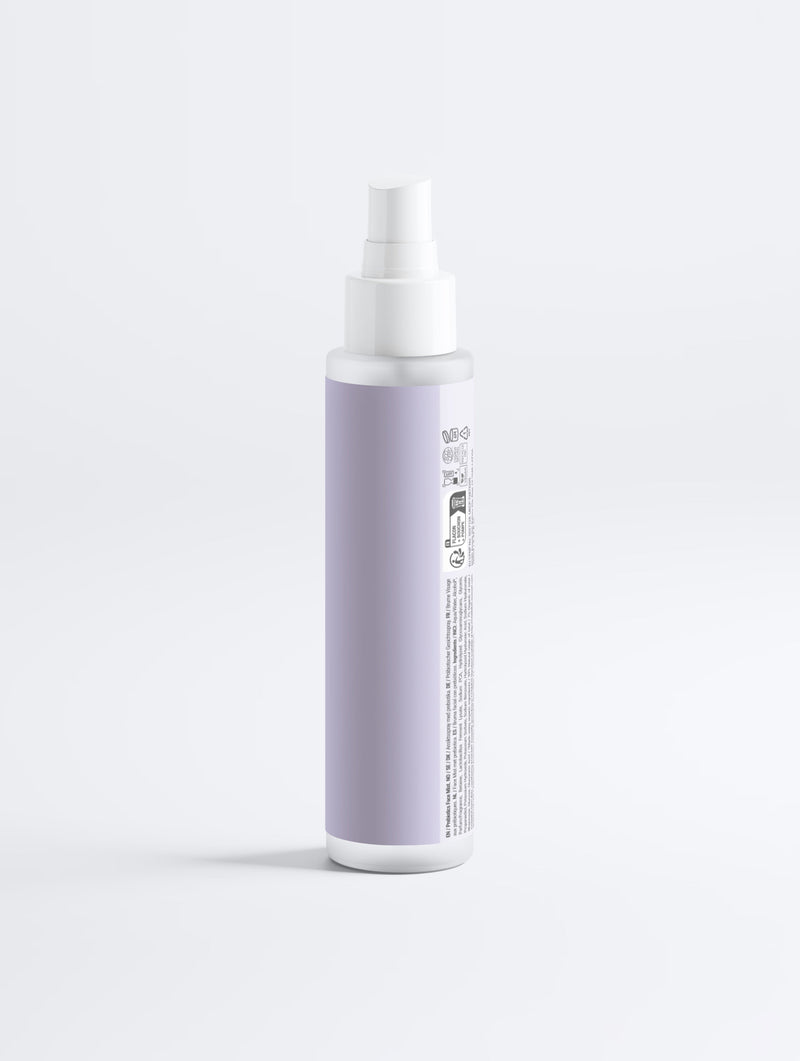
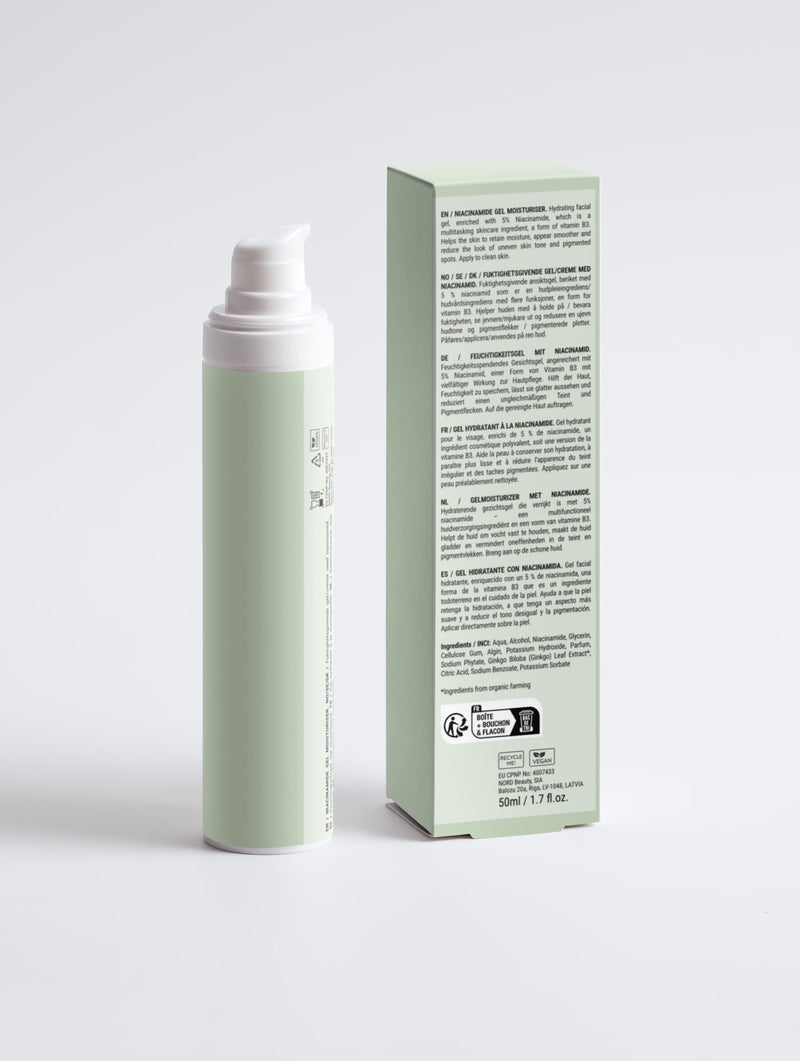
Not everyone needs an eye cream. The skin around your eyes is thinner and often drier than the rest of your face, yet for many people a good facial moisturiser, taken gently up to the orbital bone, is enough. An eye cream earns its place when you have a specific goal for that zone: the look of dark circles, fine lines, or skin so delicate that a rich face cream feels too heavy.
So the honest answer to "do you need eye cream" is: maybe. It depends on your skin and what you actually want from it. Here is how to decide without paying for something that ends up in a drawer.
Quick answers
Do you need an eye cream?
No, not automatically. If your face moisturiser keeps the eye area comfortable and you have no particular concern there, you can skip it. An eye cream makes sense when you have a clear goal for that zone.
What does eye cream actually do?
It hydrates and comforts the thin skin around the eyes with a texture made for that area. Some formulas also target the look of dark circles or fine lines. It works on the surface, not below it.
Eye cream or eye serum: which is better?
Neither is better in general. A serum is lighter and layers underneath a cream. A cream is richer and can be enough on its own. Your skin type and goal decide.
Eye cream or day cream: which goes first?
Eye product first, on clean skin, then your day cream over the rest of the face. Thinner textures go before richer ones.
How often should you use eye cream?
Usually twice a day, morning and evening. Consistency matters far more than quantity. A rice grain per eye is plenty.
What does an eye cream actually do?
At its simplest, an eye cream is a moisturiser shaped for a fragile area. The skin here has fewer oil glands, so it dries out faster and shows tiredness sooner. A dedicated formula tends to be light and gentle, which suits skin that sits close to the eye. That is the honest baseline: comfort and hydration.
Beyond that, some eye creams are built around a goal. Brightening formulas work on the look of dark circles. Others lean on peptides or gentle retinol alternatives for the appearance of fine lines. These can help the area look fresher and smoother. What they cannot do is erase a shadow you inherited or a line that appears when you smile. If a product promises that, be careful.
An eye cream is a tool, not a rescue. It can flatter the area, but sleep and genetics will always have the louder voice.
When does an eye cream earn its place?
Three situations make a dedicated formula worth it.
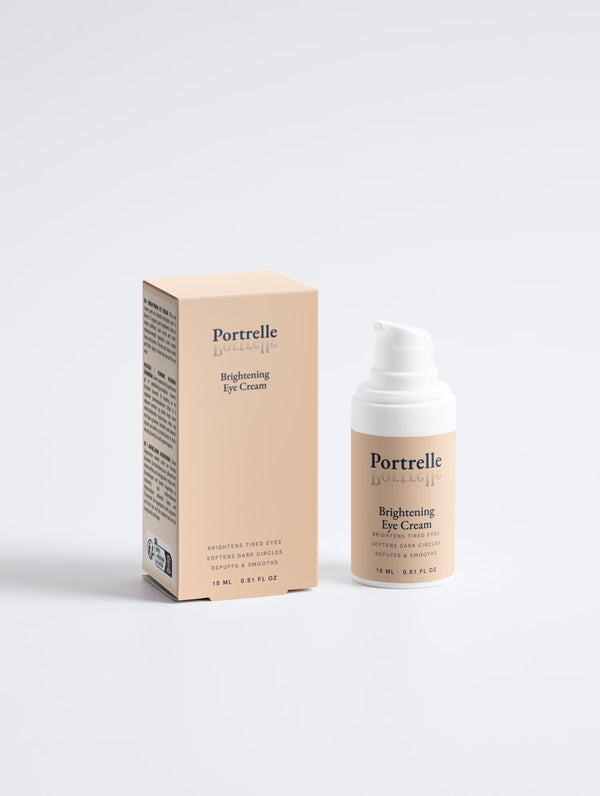
You want to soften the look of dark circles. If shadows under your eyes bother you, a brightening formula can help the area look more awake. Our Brightening Eye Cream is made for exactly that look. It helps, though it is worth reading our honest take on puffy eyes and dark circles first, because the cause matters more than any single product.
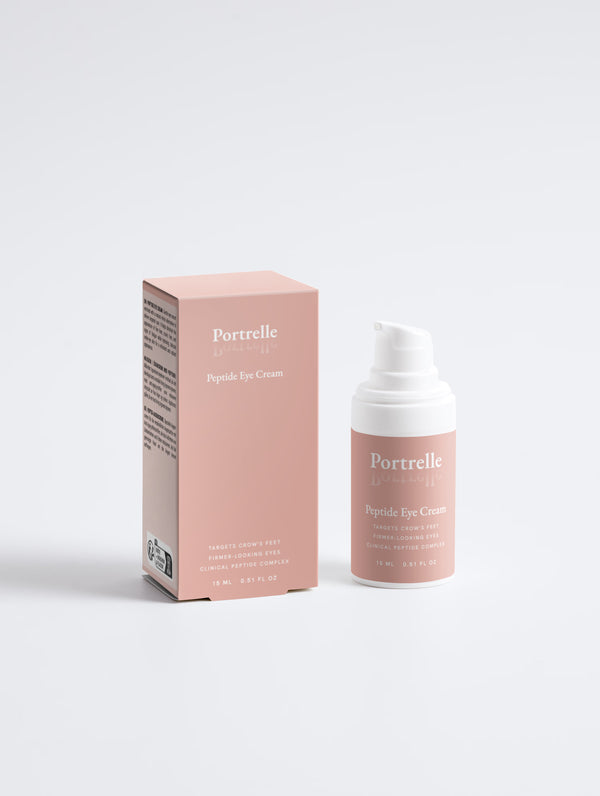
You want to support the look of firmness or fine lines. As skin matures, the eye area is often where fine lines show first. A peptide formula can support the appearance of firmness over time. Our Peptide Eye Cream is designed for this, and it pairs well with the wider advice in what actually helps with wrinkles.

Your eye area cannot take a rich face cream. Some people find their usual moisturiser feels heavy near the eyes, or leaves the skin looking puffy. A lighter, dedicated formula solves that. A ceramide rich eye cream, like our Smoothing Eye Cream, keeps the skin comfortable without the weight.
Eye cream or eye serum: what is the difference?
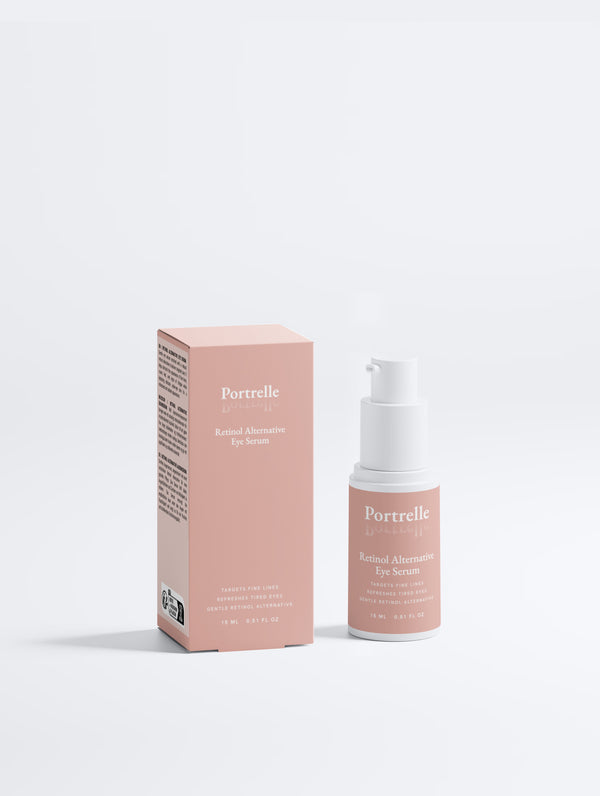
People often ask which is better, and the honest answer is that they do different jobs. A serum is lighter and more fluid. It absorbs quickly and layers underneath a cream, which makes it a good choice if you like a minimal feel or you already have a moisturiser you love. Our Retinol Alternative Eye Serum uses Bidens Pilosa, a gentler route than classic retinol for the delicate eye area.

A cream is richer and often enough on its own. If your skin runs dry, a cream may be all you need. If it runs normal to combination, a serum alone can be plenty. You do not need both. Pick the texture your skin actually enjoys, because the product you use every day beats the one you keep forgetting.
How do you apply eye cream the right way?
Application is where most of the value is won or lost. Use your ring finger, since it presses the lightest. Take a rice grain sized amount and dot it along the orbital bone, the ridge you can feel around the eye socket, not right on the lash line. Tap gently until it sinks in. Never drag or rub, because the skin here creases easily.
On order, keep it simple. Eye product first, on clean skin, then the rest of your routine over the top. If you use a serum and a cream, the serum goes before the cream. For the full sequence, our guide to skincare routine order in five steps lays it out.
How often should you use it, and does more help?
Twice a day, morning and evening, suits most people. More product does not speed anything up. A thin, consistent layer over weeks does far more than a thick one now and then. If you only manage once a day, evening is the moment your skin is most receptive.
One honest reminder to close on: a cream works on the surface. It can make the eye area look brighter, smoother and more comfortable. It cannot outperform a poor night's sleep, dehydration or the genes you were born with. Treat it as a small, pleasant support rather than a fix, and it will not disappoint you.
Read next
Experiences vary from person to person. This article is for information only and is not medical advice. If something around your eyes worries you, please speak to a doctor, pharmacist or dermatologist.