Exosomes are tiny messenger vesicles that cells release to carry signals, things like proteins and fragments of genetic material, from one cell to another. In beauty they have become a headline ingredient borrowed from regenerative medicine, and the honest picture is calmer than the marketing suggests. Plant-derived exosomes can help support the look of smoother, more settled skin, especially next to proven actives, but cosmetic-grade research is still young and no leave-on serum is a medical treatment.
Quick answers
- What are exosomes? Tiny vesicles that cells release to carry signalling molecules such as proteins and RNA between cells.
- Do exosome creams actually work? Cosmetic evidence is early, so they may support the look of smoother skin, but claims often run ahead of the data.
- Human-derived or plant-derived? EU cosmetics are not allowed to use human-derived exosomes, so any leave-on product here uses plant-derived ones.
- Are they worth buying? They make most sense paired with a proven active like niacinamide, rather than bought on the strength of the buzzword alone.
- What about acne or melasma? Those are medical concerns for a dermatologist; cosmetics only change how skin looks and feels.
What are exosomes, exactly?
Cells are constantly talking to one another. One way they do it is by packing a cargo of molecules inside a small bubble of membrane and sending it off to a neighbour. That bubble is an exosome. It is minute, measured in billionths of a metre, and its cargo can include proteins, lipids, and short pieces of RNA that tell the receiving cell to do something. Skin cells make them, plant cells make them, almost every living cell does. In the lab, researchers grew interested in exosomes because they seemed to carry some of the useful signalling behind certain regenerative treatments without needing the whole cell. That is the idea the beauty industry picked up and ran with.

Why is the beauty world so excited about exosomes?
Most of the excitement traces back to regenerative medicine, where exosomes are studied in wound recovery and tissue research. That work is genuinely interesting, but it happens in a clinical setting, often with injected or professionally applied material, under conditions that have nothing in common with a jar on a bathroom shelf. When a technology sounds this futuristic, it is easy to imply that a face serum inherits all of its promise. It does not, at least not automatically. The gap between "studied in a lab" and "does this in your skin from a product you smooth on and leave" is exactly where most of the hype lives. We would rather point at that gap than paper over it.
What does the evidence actually show?
Here is the part that tends to get skipped at launch. Cosmetic-grade exosome research is young. A good deal of the promising published work involves clinical procedures, microneedling, or professional treatments, not the everyday act of applying a serum and walking away. Studies vary in size and quality, and there is not yet a shared standard for how a cosmetic exosome ingredient should be sourced, measured, or kept stable. None of that makes exosomes useless. It does mean the confident, percentage-based promises you sometimes see are running well ahead of what has been shown. Anyone claiming a cream is "proven to regenerate" your skin is stepping outside what cosmetics are allowed to say, and outside what the evidence currently supports.

Plant-derived vs human-derived: why the source matters
Source matters more than most shoppers realise, and in Europe there is a firm legal line. EU cosmetics rules do not permit human-derived material, so any exosome in a leave-on product sold here is plant-derived, drawn from botanicals such as roses, ginseng, or other plants. Some of the flashiest results circulating online come from human or stem-cell-derived exosomes used in clinical contexts, which is simply not what goes into a compliant European serum. If a brand blurs that line, or hints at stem-cell magic in a bottle you can buy off the shelf, treat it as a reason to slow down. Plant-derived exosomes are the honest, legal option, and they deserve to be judged on their own terms rather than on borrowed glory from procedures you will never receive from a cream.
If a skincare label promises to rebuild your skin at a cellular level, that is marketing, not medicine, even when the label happens to be ours.
What can a plant-derived exosome serum realistically do?
Kept to what is fair to say, a plant-derived exosome ingredient in a leave-on serum can help support the look of smoother, calmer skin over time. It sits in the same supportive family as other conditioning ingredients, and it tends to show its best in company rather than alone. That is why we would never build a formula around exosomes by themselves. Pairing them with something well studied, like niacinamide, means the result rests on a proven foundation instead of a novelty. If you want the plain version of what that partner ingredient does, our guide to what niacinamide actually does for your skin walks through it without fuss. Think of exosomes as the newer, more exploratory layer and niacinamide as the dependable one.
How do you read exosome marketing critically?
This is the part we care about most, even though it is an odd thing for a brand to teach. Learning to read a label sceptically protects you from overpaying for a buzzword, including when the buzzword is on our own bottle. A few honest tests. Does the claim describe how skin looks and feels, or does it promise to cure, repair, or regenerate? The second kind is not allowed in cosmetics and should make you wary. Does the brand wave around "clinical proof" with no trial you can actually read? Does it lean on research from injections or in-clinic procedures to sell a cream? Is the exosome the only thing in the formula doing the talking, with no proven active behind it? If a product cannot survive those questions, the technology is being used as decoration. You can point the same lens at anything, acids, retinoids, or peptides: our note on what a peptide serum does takes the same measured approach.
Where does our exosome serum fit?
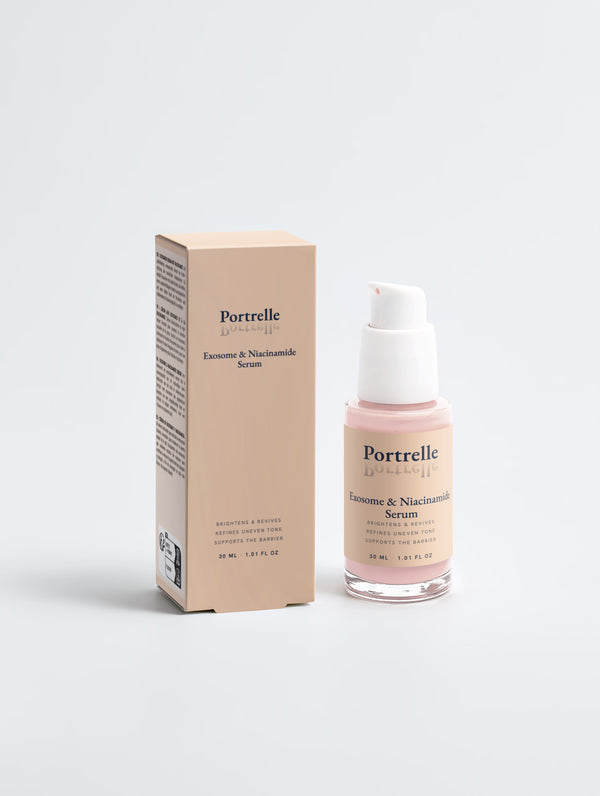
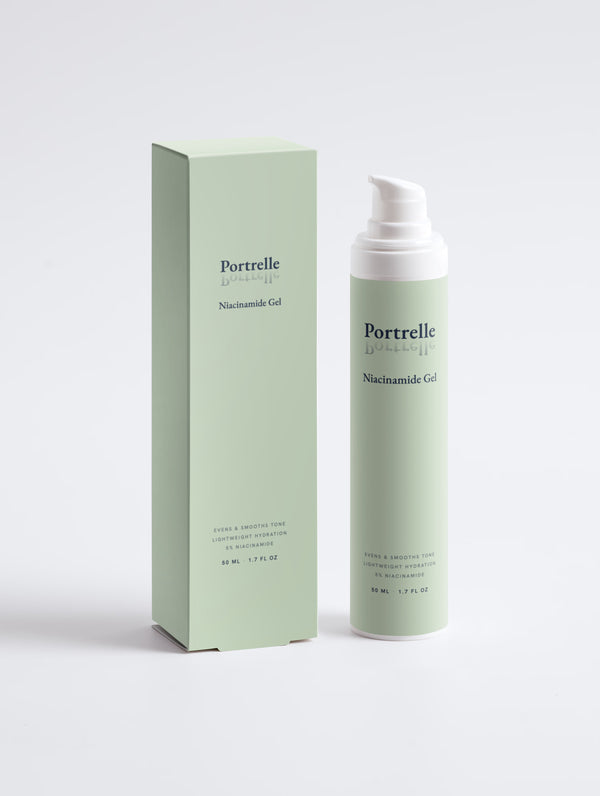
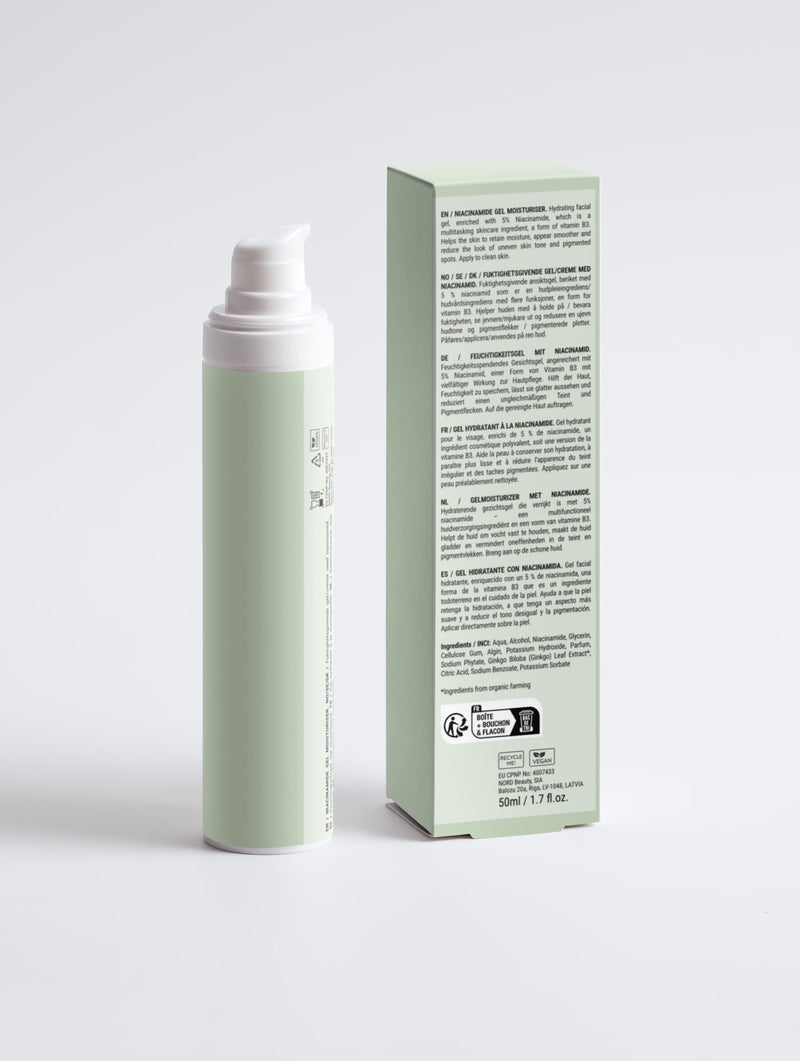
Our Exosome & Niacinamide Serum is built on exactly that logic. The exosome technology is the interesting, forward-looking part, and niacinamide is the proven active that keeps the formula grounded, so it never leans on hype alone. If your skin prefers a lighter, single-active step, the Niacinamide Gel gives you that proven ingredient on its own, and you can see how both sit next to the rest of the range in our serums and boosters collection. Not sure which layer your skin actually wants? The Find Your Ritual quiz is a calmer starting point than guessing from a trend. Whatever you land on, buy an ingredient for what it can honestly do, not for the excitement around its name.
Skincare results vary from person to person, and everything here describes how skin looks and feels rather than any medical outcome. Cosmetics do not treat, cure, or repair skin conditions. For concerns such as acne, melasma, or persistent irritation, a dermatologist is the right person to see.