Centella asiatica, often called cica or tiger grass, is a herb used in skincare to calm the look of stressed, reactive skin. People reach for it when their skin feels tight, warm, or easily upset, because it supports a soothed, more comfortable appearance. Portrelle does not sell a centella product, so treat this as a fair, honest guide: what cica is, who it tends to suit, and how it sits next to our own calming approach.
Quick answers
What is centella asiatica?
Centella asiatica is a small green herb long used in Asian skincare, where it also goes by cica or tiger grass. In formulas you will see it as a plant extract, or as isolated compounds like madecassoside and asiaticoside. It is best known for a calm, comforted skin feel.
What does cica do for your skin?
Cica is used to support the look of calmer, less reactive skin. People like it after heat, wind, or an over-enthusiastic routine, when skin looks flushed or feels sensitive. Think of it as a comfort ingredient, not a quick fix.
Is centella good for sensitive skin?
It often suits sensitive skin, because it is gentle and aimed at comfort rather than active exfoliation. As with any new ingredient, patch test first. The fragrance and other additives in a product can matter as much as the cica itself.
Does Portrelle sell a centella product?
No. We do not currently make one. We calm sensitive skin a different way, with fragrance-free formulas and prebiotics, which we explain below.
What is centella asiatica, and why "tiger grass"?
Centella asiatica is a leafy herb that grows across Asia and has been part of traditional skincare for generations. The nickname tiger grass comes from an old story about tigers rolling in the plant to soothe their skin. Charming, and not something anyone can promise, but it tells you how long people have trusted this herb for comfort.
Modern formulas use it in two ways. Some list the whole plant, often as Centella Asiatica Extract on the label. Others isolate the compounds people talk about most: madecassoside and asiaticoside, along with related molecules sometimes called madecassic and asiatic acids. These are the parts of the plant that gave cica its reputation for a calm, settled skin feel.
Of those compounds, madecassoside is the one you will hear about most. It is the marketing star of many cica products, prized for that soothed, comforted feel. You do not need to memorise the chemistry, though. The useful takeaway is that whether a label says centella, cica, tiger grass, or madecassoside, you are looking at the same family of plant.
What does cica do for your skin?
Cica earned its fame through K-beauty, where cica creams became the thing you reached for when skin looked stressed. The appeal is simple. It is used to support the appearance of calmer, less reactive skin. After a long flight, a windy walk, or a routine that turned out to be too much, cica is what people layer on to help skin look and feel more settled.
It helps to be honest about the limits. Cica supports comfort and a soothed look. It will not erase a real skin problem, and careful brands do not claim it does. If you are dealing with true scarring, melasma, or a skin condition that worries you, a single cream is not the answer. That is a conversation for a doctor or dermatologist.
Is centella suitable for sensitive skin?
Usually, yes. Cica is a gentle ingredient, which is exactly why reactive and easily flushed skin tends to get along with it. It does not exfoliate or force anything. It simply aims for comfort.
Two honest caveats. First, patch test any new product, cica included, because sensitive skin can react to almost anything on an off day. Second, look at the whole formula, not just the hero ingredient. A cica cream loaded with fragrance can upset sensitive skin more than a plain, fragrance-free one without any cica at all. If redness is your main concern, our guide to what actually calms redness-prone skin goes deeper.

How do you use centella in a routine?
If you want to try cica, keep it simple. It usually shows up in a light gel, an essence, or a moisturiser, and it sits comfortably after cleansing and before your richer creams. Once a day is plenty to begin with, so you can see how your skin responds before you build it into everything. Give any new product a couple of weeks of honest use, because comfort ingredients tend to show their value quietly, not overnight. And if a product stings, goes patchy, or leaves skin looking more irritated, stop. Your skin is allowed to dislike even a well-loved ingredient.
Does Portrelle sell a centella product?
No, and we would rather say that plainly than steer you toward something else. Cica is a good ingredient with a fair reputation, and we are happy to send you looking for it. We simply have not built a centella product, and we are not going to pretend our range does something it does not.
We would rather point you to a good ingredient we do not sell than dress up one we do.
How does Portrelle calm sensitive skin instead?
Our route to calmer-looking skin is different, but the goal is the same as cica: comfort. We build fragrance-free, so there is one less thing for reactive skin to argue with. And we lean on prebiotics, which support a balanced skin feel rather than stripping it. The idea is to give skin fewer reasons to flare and more reasons to settle.
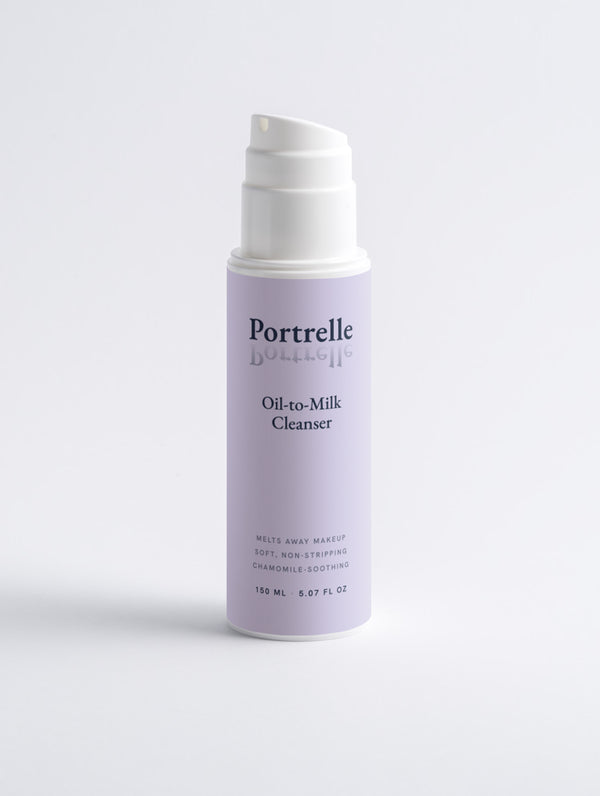
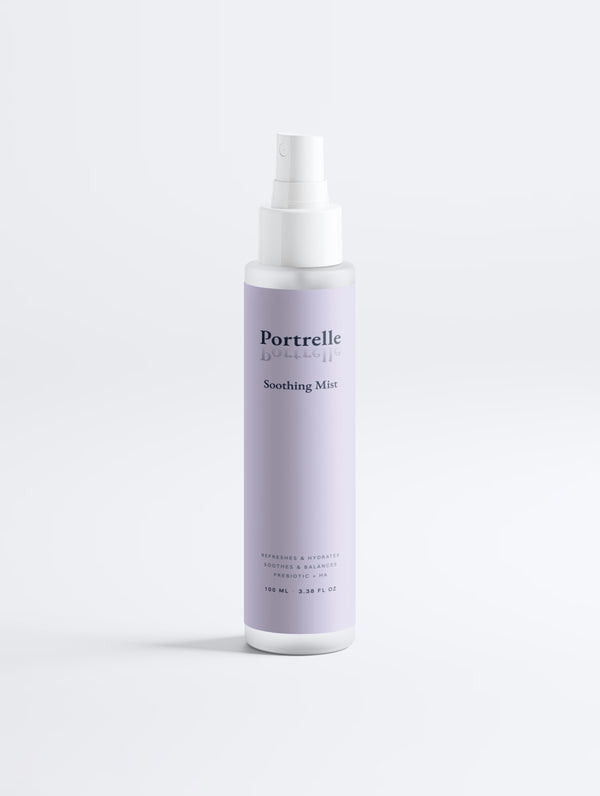
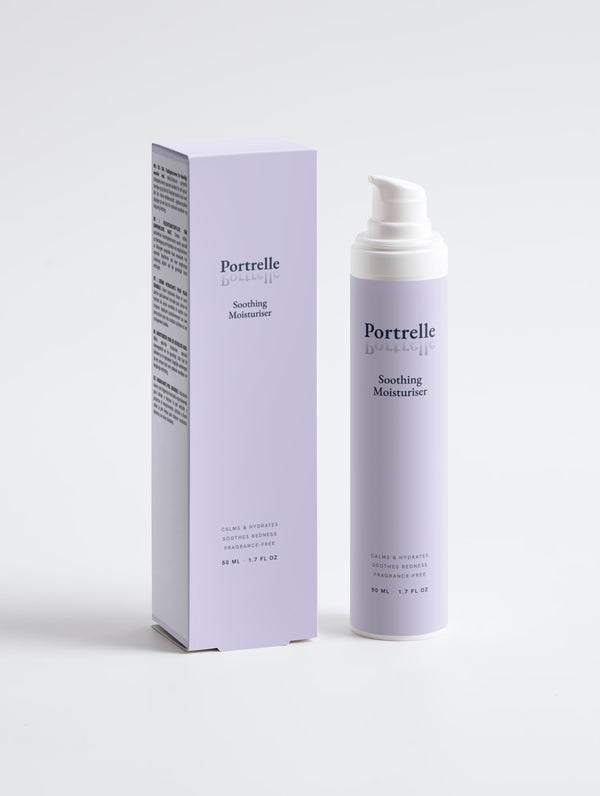
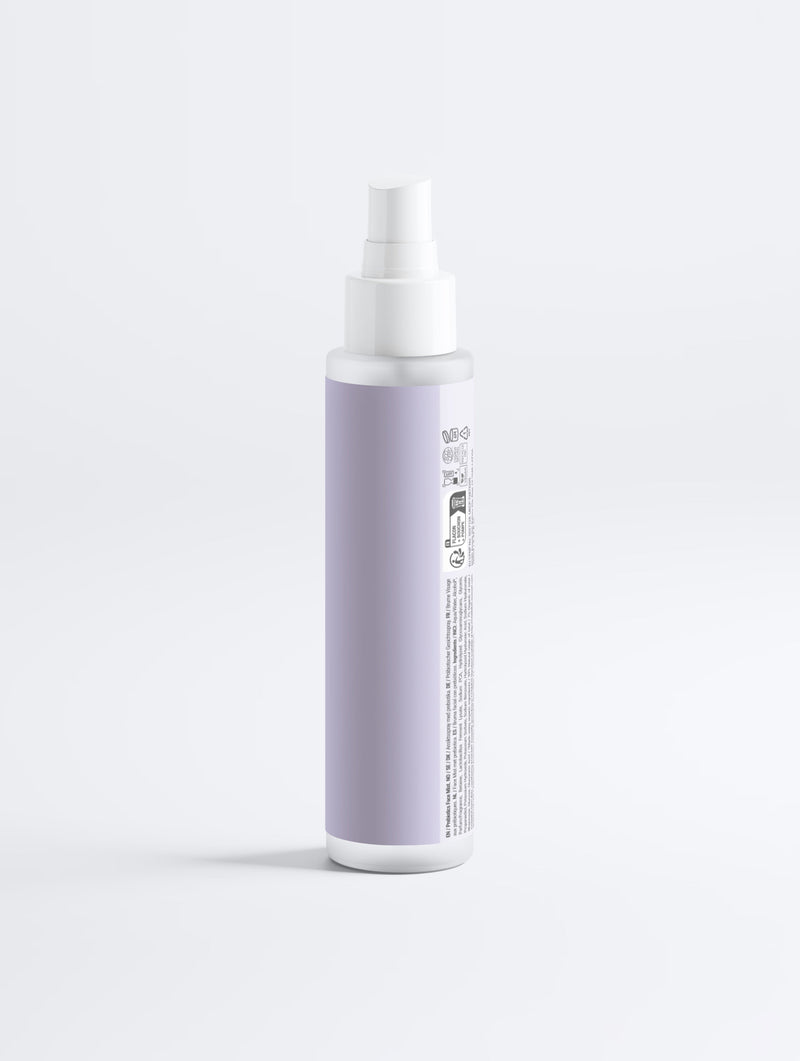
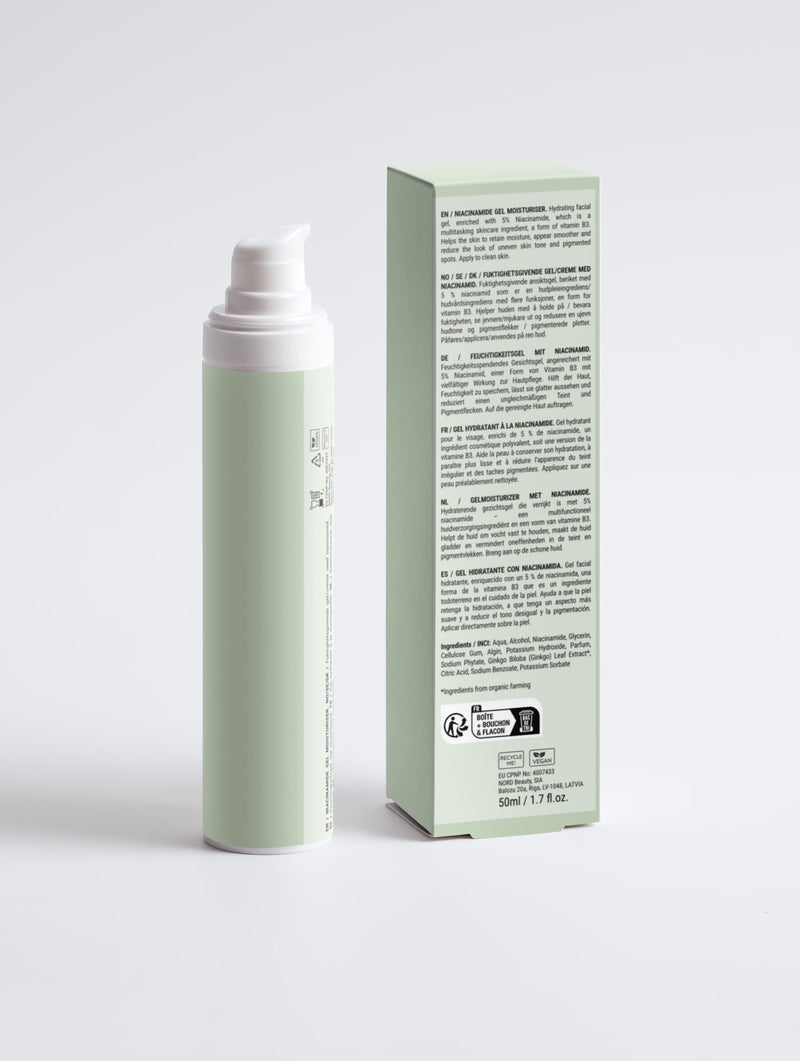
In practice that looks like three steps. Start gentle with the Oil-to-Milk Cleanser, which lifts away the day without leaving skin tight. Refresh with the Soothing Mist, a prebiotic face mist for moments when skin feels warm or restless. Then seal in comfort with the Soothing Moisturiser, a fragrance-free moisturiser made for sensitive skin. If you want the full picture, our calmer routine for sensitive skin walks through the order and the why.

Cica or a fragrance-free routine: which should you choose?
You do not have to pick a side. Cica and a fragrance-free, prebiotic routine are two roads to the same place: skin that looks calmer and feels more like itself. If you already love a cica cream that agrees with you, keep it. If your skin is easily upset and you want fewer variables, a simple fragrance-free routine is a sound place to start. Different route, same goal.
Our honesty here is the whole point. We would rather you understand an ingredient we do not sell than buy something on hype. When we do have a centella formula worth standing behind, you will hear about it plainly, and not a moment before.
Experiences vary from person to person, and skin is personal. This article is informational and is not medical advice. For a condition that concerns you, please speak with a doctor or dermatologist.