If your face flushes easily or looks red after a hot shower, a cold walk, or the wrong cleanser, the calmest path is usually a shorter routine, not a bigger one. Redness-prone skin tends to look better when you take away the things that provoke it and keep the rest gentle: lukewarm water, fragrance-free products, no scrubbing, and daily SPF.
Below are the everyday habits that help skin look calmer, when redness is worth a doctor's visit, and a simple routine you can actually keep.
Quick answers
- What helps a red-looking face in the moment? Cooling down: lukewarm water instead of hot, and a light hydrating mist rather than rubbing or scrubbing.
- What tends to make redness worse? Heat, cold wind, hot showers, harsh or foaming cleansers, fragrance, alcohol-heavy toners, and over-exfoliating.
- Is flushing the same as lasting redness? No. Flushing comes and goes, while redness that never fully fades, especially with bumps or burning, is worth a doctor's opinion.
- Do I still need SPF? Yes, daily SPF is one of the kindest habits for reactive, redness-prone skin.
What makes a face look red in the first place?
Most everyday redness comes down to a handful of familiar triggers. Temperature swings are a big one: hot showers, saunas, a warm kitchen, then cold wind on the walk home. Friction is another, from scrubbing with a rough cloth to towelling your face dry too briskly. Cleansers matter too. A high-foam or stripping wash can leave skin feeling tight, and tight often looks pink.

Then there are the ingredients that reactive skin simply does not love. Fragrance can bother sensitive skin, and alcohol-heavy toners can leave it feeling raw. Over-exfoliating, whether with acids or scrubs several times a week, can leave the surface looking more flushed rather than fresher. None of these are dramatic on their own. Stacked together, they keep a face looking redder than it needs to.
Calm-looking skin usually comes from doing less, more gently, more often.
Is it flushing, or redness that never fully fades?
It helps to notice which kind of redness you have. Flushing is temporary. Colour rises with heat, spice, exercise, or a moment of stress, then settles again. That is your skin responding to the day, and gentle habits usually keep it in check.
Redness that stays is different. If your face looks persistently red, with small visible blood vessels, little bumps, or a burning or stinging feeling, that can be a sign of rosacea. This article does not diagnose anything, and no home routine replaces proper advice here. Persistent facial redness with bumps or burning is a medical matter, so please see a doctor or dermatologist. Good daily care can still sit alongside their guidance, which is where a calm, low-trigger routine like the one in our guide to building a routine that calms sensitive skin comes in.
How do you cleanse without making redness worse?
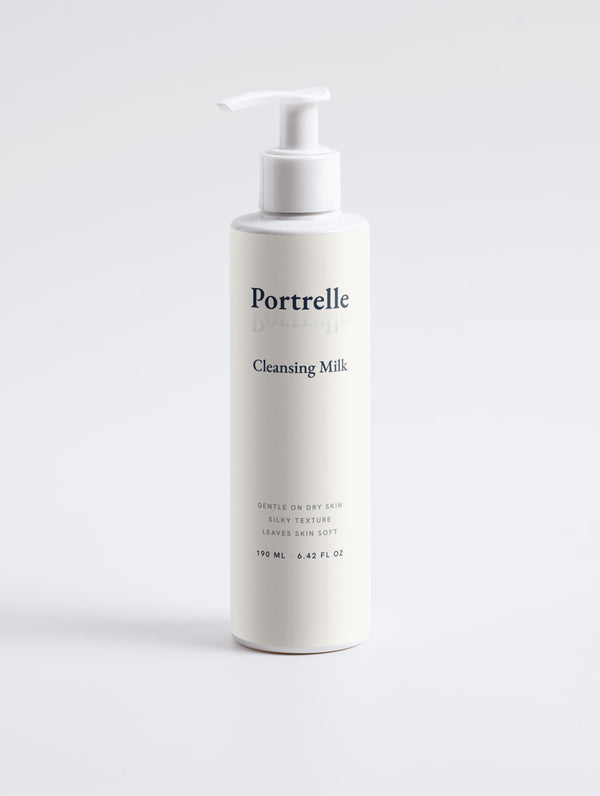
Cleansing is where a lot of avoidable redness starts, so it is worth getting right. Swap a foaming, squeaky-clean wash for something milder. A soft silky cleansing milk with shea butter and argan oil removes makeup and the day gently, without that stripped, tight feeling afterwards.

A few small habits make a real difference:
- Use lukewarm water, never hot, and keep it off the boil on your face.
- Cleanse with your fingertips rather than a cloth or brush.
- Press your skin dry with a soft towel instead of rubbing.
- For many people, one proper cleanse in the evening is plenty. A splash of water in the morning is often enough.
What cool-down habits actually help?
Since heat is such a common trigger, a few cool-down moments go a long way. Keep showers shorter and a touch cooler, and turn the temperature down for the last splash on your face. After anything warming, like a workout or a hot room, give your skin a beat to settle before you reach for products.
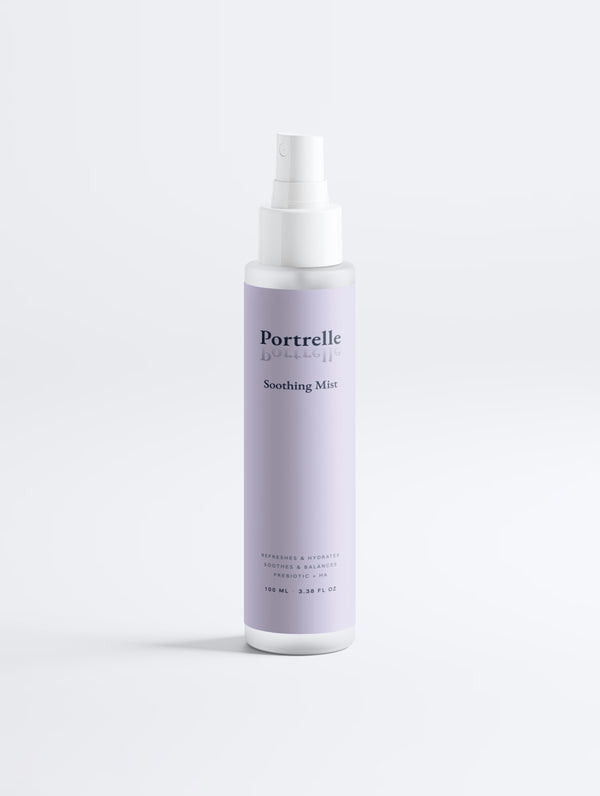
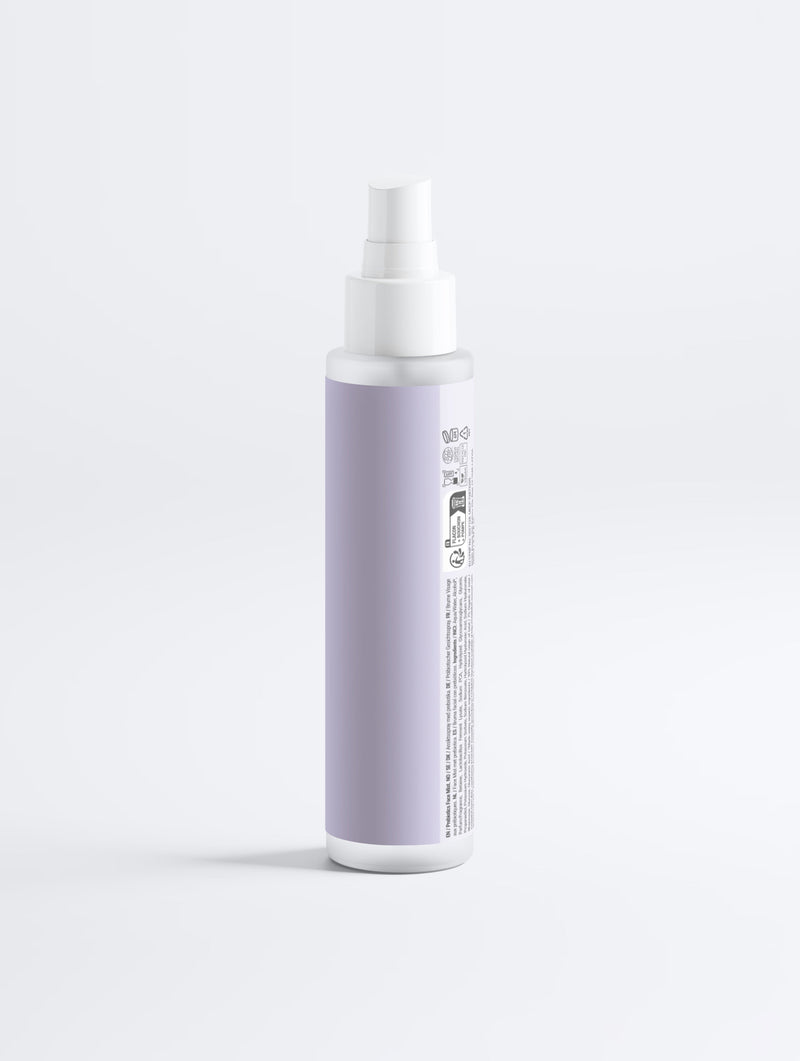
A refreshing mist is a handy reset in these moments. Our prebiotic Soothing Mist refreshes and hydrates with hyaluronic acid and supports your skin's natural microbiome, so it is an easy way to cool and rehydrate without rubbing at your face. Mist, then press in your moisturiser rather than working it in hard.
What does a simple soothing routine look like?
The goal is a routine short enough that you keep it up and gentle enough that it never provokes. Here is a calm shape to start from:
- Morning: a splash of water or a mild cleanse, a few spritzes of mist, a fragrance-free moisturiser, then SPF.
- Evening: cleansing milk to take off makeup and the day, a little mist, then your moisturiser or a night cream.
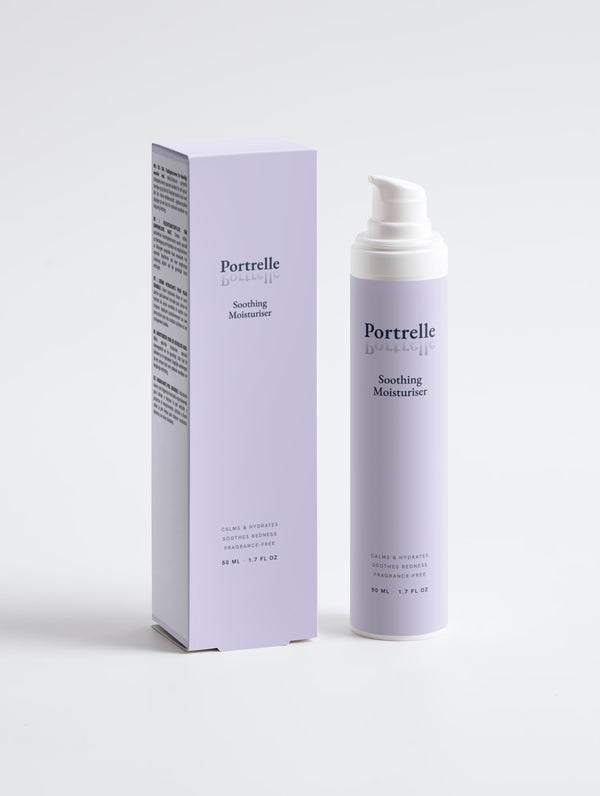
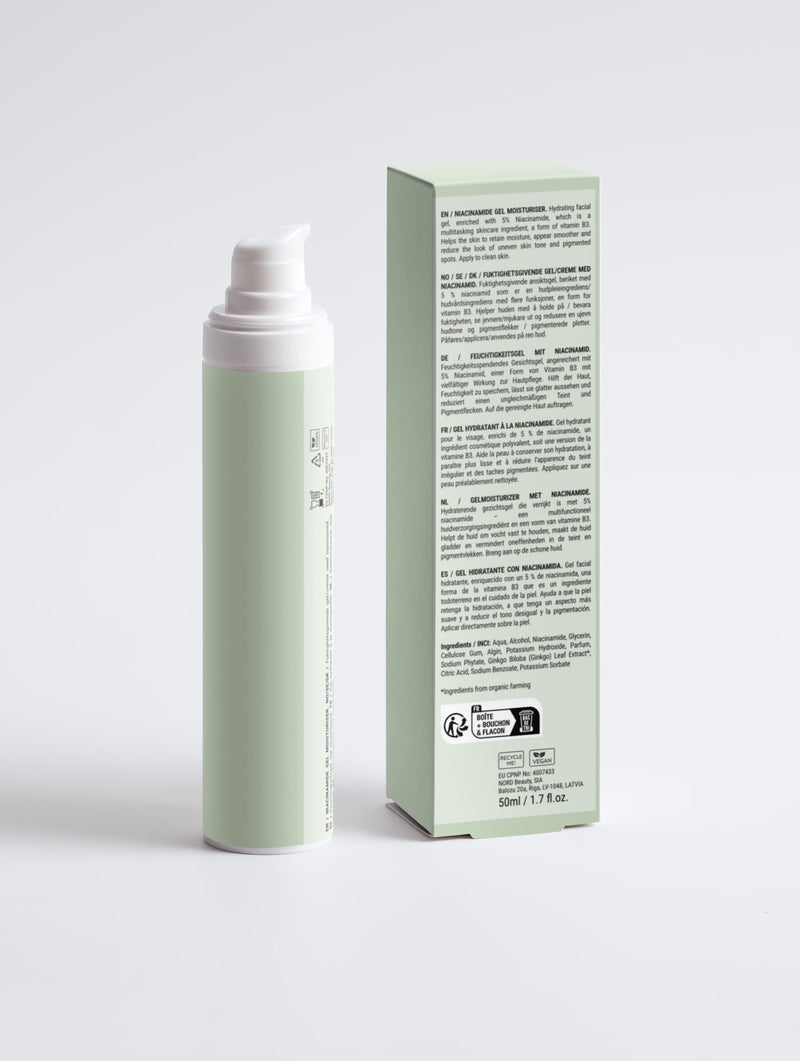
For the moisturiser step, a fragrance-free moisturiser made for redness-prone skin with aloe, red algae, and hyaluronic acid keeps things comfortable and hydrated. At night, a fragrance-free Soothing Night Cream helps skin feel calmer while you sleep. If you like to keep your soothing steps together, the Calm and Soothe collection gathers them in one place. Keep introducing new products one at a time, so if something does not agree with your skin you can spot it quickly.
Does SPF really matter for reactive skin?
Yes, and it is easy to skip when your skin already feels touchy. Sun exposure can leave reactive skin looking more flushed, and it can make existing dark spots more noticeable over time. A daily SPF, worn even on grey days, is one of the simplest ways to help redness-prone skin look more even and settled. If you are not sure how to fit it in without irritation, our note on wearing SPF on your face every day walks through the habit.
Put together, none of this is dramatic. Cooler water, gentler cleansing, fewer harsh ingredients, a mist moment when your face heats up, and steady SPF. Small, kind, repeatable choices are what help redness-prone skin look calmer week to week.
Portrelle products are cosmetics: they care for how your skin looks and feels. They do not treat medical conditions. If a concern persists or hurts, see a doctor or dermatologist.